Tag Archives: The Channel Islands

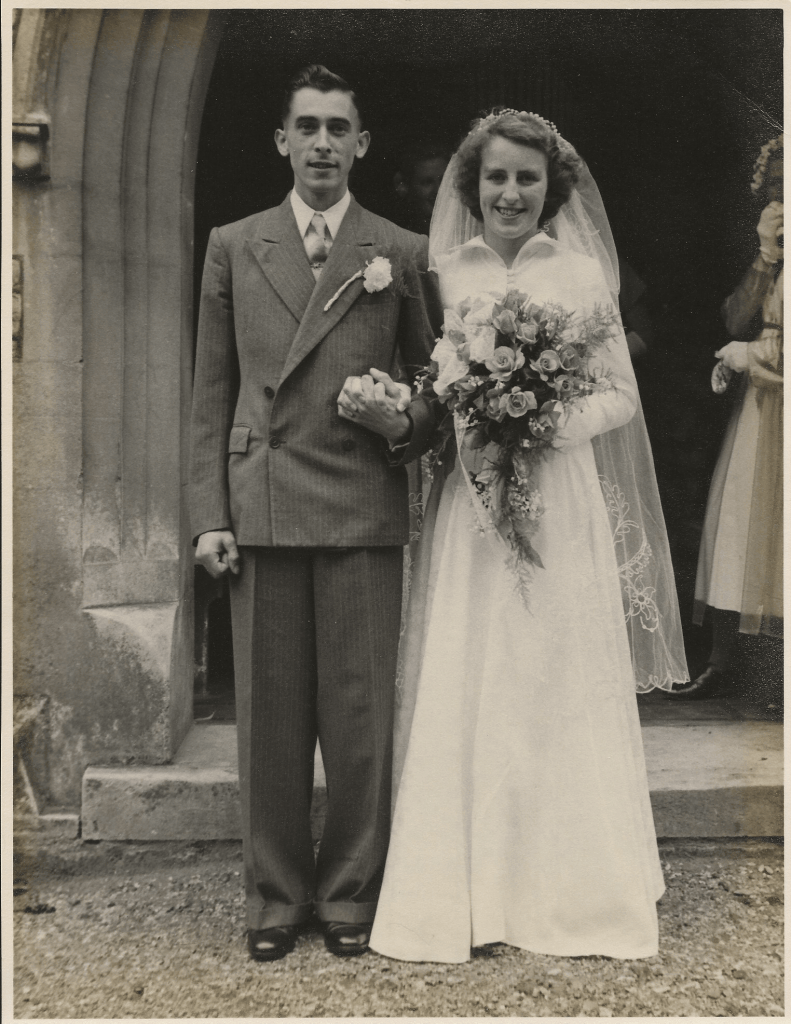
Arthur John William Jackson (b:1927) and Patricia Jackson (b:1932 ne Green)

Married 29th August 1953

Isn’t it heart warming looking at photos of parents when they were young or when they were married!

Following on with my series of blog posts on my family history and how it has influenced my writing, we have reached Mum and Dad.

They were both brought up in the Southampton area and were married at Weston Road Church, Woolston. As a family we made regular visits to see Grandma Green there while growing up, and so the whole area was extremely familiar to me. Being a family of walkers, you get to know a place far better that way. Thus, it wasn’t difficult to make it the main setting for my second novel Ancasta ~ Guide me Swiftly Home.

Over the years my parents have shared many memories of their childhood and adolescent days and I’m sure all of this has coloured my writing too.

Arthur Jackson (my dad) didn’t work at Supermarine, like his father (Arthur Walter Jackson) and sister. He joined the RAF right at the end of WW2, but he did remember seeing the prototype Spitfire fly overhead, before he was evacuated to Bournemouth.

Mum and Dad also shared my Great Grandmother Harriet’s love of dancing and, legend has it, that she could turn on a sixpence.
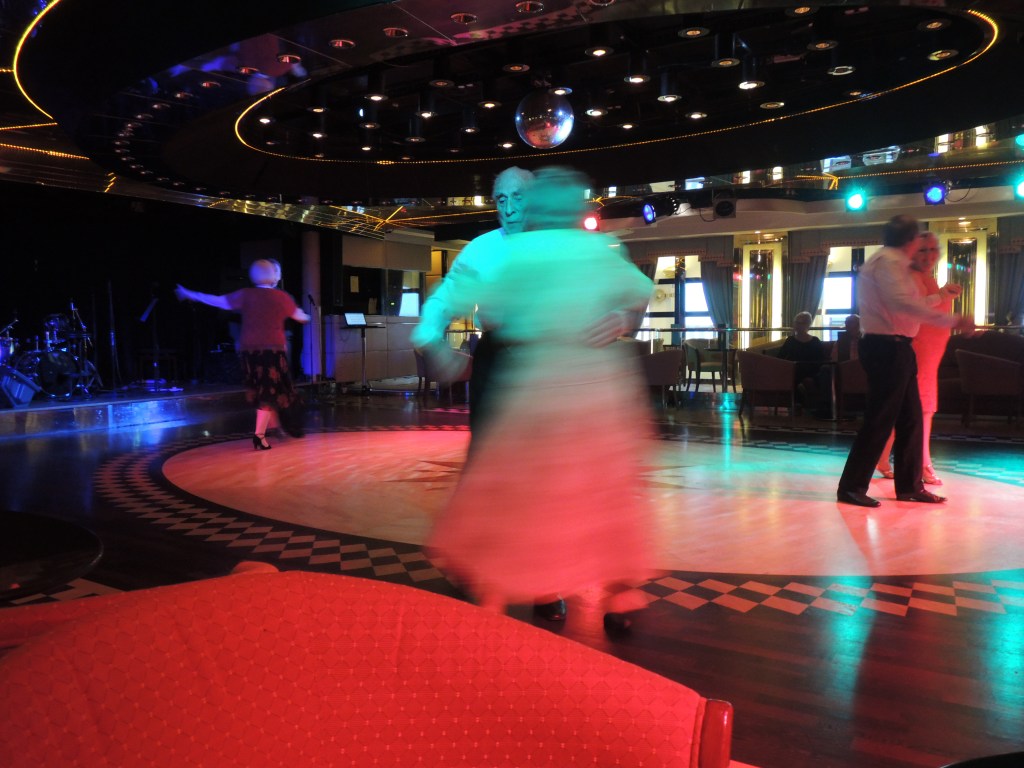
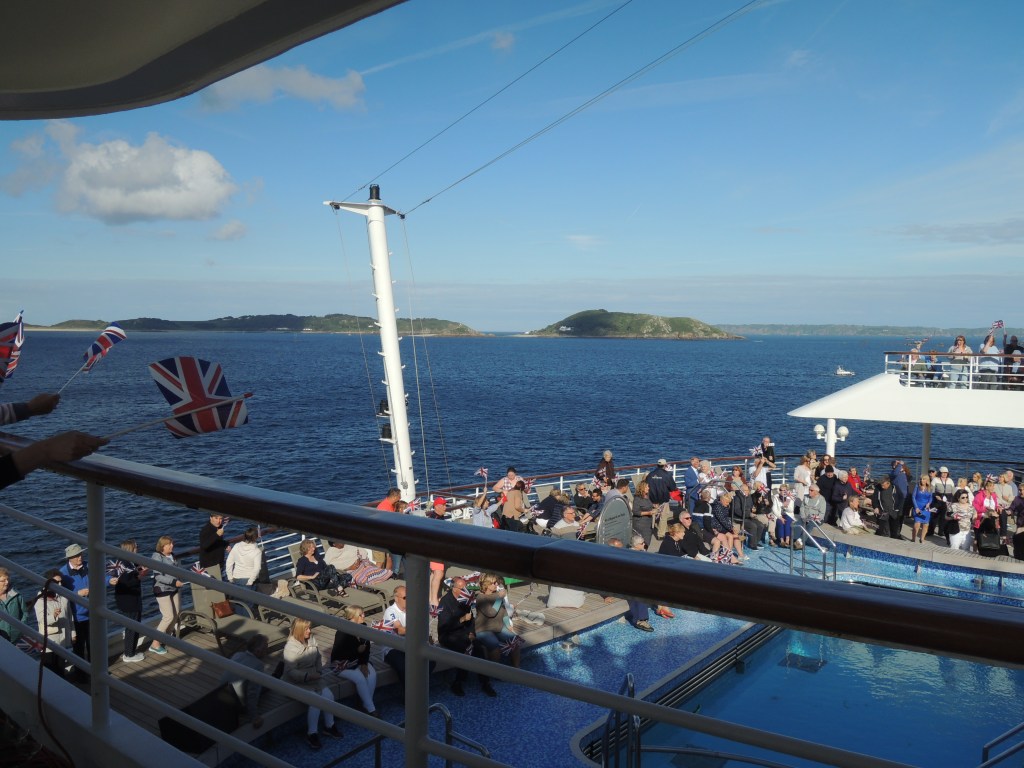
On this trip here, we shared my parents’ last voyage on their favourite P&O ship the Oriana, chosen because it had a good dance floor; our last port of call was (fittingly) Guernsey.

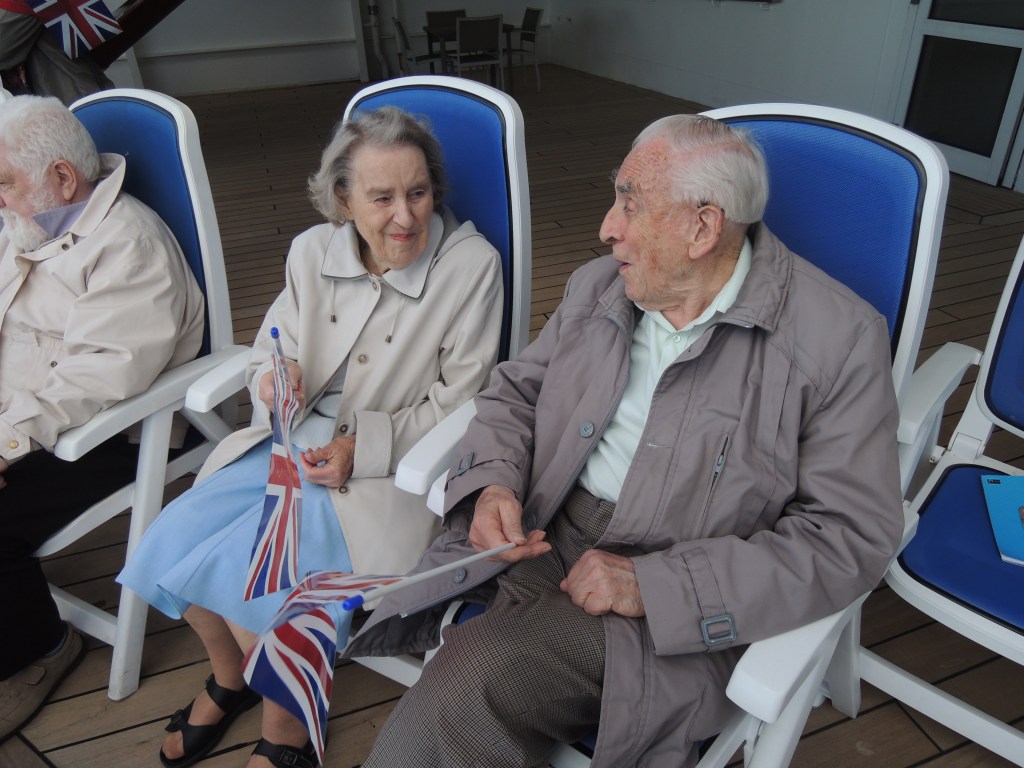
Here are Mum and Dad on deck waving their flags, just as we passed Sark and Herm, two of the smaller Channel Islands.
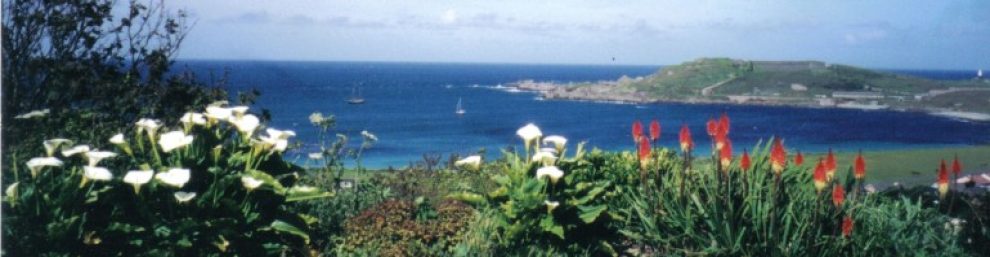
…and so The Channel Islands, particularly Guernsey and Alderney are in my blood and my family heritage and childhood memories are also of holidays in Wooston, Southampton.

As it happens, when I began writing the first draft of Riduna, my parents decided that they would have a go at writing too. There’s was a sort of prequel to Riduna, set at the time of Elizabeth Quesnel and John Taylor.

I started working on their little book with Dad when they were both showing signs of dementia. He had been frustrated that he couldn’t write conversation. In the end he did not have the patience anymore to focus on it and so, since they passed away, I have spent some time working on their story. It is now at proof readers, but then I hope to work with someone from Alderney Museum to check it for historical authenticity. I won’t say accuracy because, although inspired by our family history, it remains fiction. I’ll keep you posted.
1 Comment

Filed under Ancasta, Channel Islands, Family History, Inspiration, Southampton, Supermarine, Woolston

Women and Island Life over 100 years ago

aysta66In the next few posts, during August I am going to address issues regarding women in the late 19th and early 20th Centuries. It was a period of great change, a contrast you will see if you read my two novels ‘Riduna‘ and ‘Ancasta Guide me Swiftly Home.’

Riduna is set in the mid to late 19th Century and on the island of Riduna (Alderney) the role of single women was certainly to work in service or in the important tourist industry. They would be maids in the various larger homes or boarding houses or waitresses or cleaning staff in the few hotels. Travelling was important to the Victorians of means and destinations like Alderney provided a desired break from everyday life at home. (Nothing changes)

On Alderney the majority of children went to school, although the girls would have focussed on reading, writing and needlework. Only a few would have enjoyed a wider curriculum. It is interesting to me that my Great Grandmother, living on Alderney at the time, was literate, whereas her husband, a Guernseyman could barely sign his own name at the time of their marriage. By 16 year, all the girls would be employed to provide a meagre income to contribute to household expenses until they were married. Then they would have to give up work, unless they continued in the family business, whether in a shop such as a bakers or an inn or boarding house.

Added to the life of the islanders the population was swelled by various migrating groups which had an impact on the social dynamics of late 19th Century Alderney. Firstly there were professionals from mainland Britain….for example doctors and teachers who would bring their families with them and to a certain extent a different set of values. Aspirations of the daughter of an island doctor would differ from that of an island girl. A female teacher would have been a spinster with a vocation. What happened if she  was tempted to marry? How would the islanders react. Her attitude to the dilemma would be more considered and rational than that of a young island girl, but it would none the less give a conflict of emotion.

The other unsettling dimension to life on Alderney at that time was caused by the workers on the various Forts and defences on the islands. These included migrants from the UK, Ireland and even Italy; those moving to wherever there was work to make a living for their family, who would travel with them. Thus communities around the Crabby Bay area swelled and to a certain extent kept to themselves. Often they would educate their children at home and have their own churches. Mix between these groups and islanders was not always encouraged.

The other migrant workers of influence were the military. Wouldn’t the dashing red-coated soldiers turn the heads of many simple island girls? Wouldn’t their presence cause a stiffening of attitude from the island elders as they wished to protect the virtue of their young people?

The other major factor was the island itself. In a big city there is a certain amount of anonymity but on an island gossip abounds. One persons private business is known by the whole island within a very short time. Life on an island can be idyllic but it also can be claustrophobic, so much so that some dreamt of the wider world. Yet again there is a divide of the sexes here, because opportunities to leave the island were far more available for young men than girls, unless they married a visitor.

If you’d like to read more about these conflicts, my first novel ‘Riduna’ gives you a flavour of island life at that time. All these issues gave colour to the underlying storyline, adding a community dimension to the lives of the main characters Harriet and Edward.


Leave a comment

Filed under Alderney, Channel Islands, Historical Fiction, History of Alderney, Riduna

Why Woolston and The Channel Islands are Linked in History

 Woolston and The Channel Islands have been inextricably linked over the last few centuries!

Steamers to Guernsey, Jersey and Alderney left from docks just across the Itchen Ferry from Woolston for over a century and previously by sail. In fact before that, in the 18th century, Jersey was the fourth largest shipbuilder in the UK.

I’ve just found a wonderful new website which tells the history of Steamers to Alderney Click on the link to read more details.

With the advent of flight around the beginning of the 20th century, especially flying boats, it was not long before successful attempts were made to reach the islands by air.

The end of the First World War, of course, was a turning point. What to do with all those redundant aircraft and aircraft factories, let alone capable pilots at a loose end, those who remained intact anyway?  

Many of the factories could revert to making cars and various motor vehicles, which they had produced before the war, but what of the others? To many entrepreneurs, the Richard Branstons of their day, commercial flight was the most obvious solution and by autumn 1919 Supermarine were flying passengers from Woolston, Southampton to Bournemouth, The Channel Islands and to France. 

Following this Imperial Airways continued an international service using amphibians from Woolston between 1924 and 1929, whilst using Croydon for their land based aircraft.

Where does my interest stem?

With a Great Grandfather born on Guernsey and a Great Grandmother born on Alderney and parents brought up in Woolston, this history seeps into my soul and makes my heart sing!


With a Great Grandfather born on Guernsey and a Great Grandmother born on Alderney and parents brought up in Woolston, this history seeps into my soul and makes my heart sing!

It was not a coinicidence that the many early flights to The Channel Islands were made from the Woolston area and that

Leave a comment

Filed under Alderney, Channel Islands, Early Flight, Family History, Flying Boats and Sea Planes, Southampton, Supermarine, Woolston