Review by historical fiction author Tony Riches on his exceptional blog
Review by Ian K Pulham:
“This novella is in the main a snapshot of life on Alderney just after the Napoleonic wars, although there are brief snippets describing London around that time and the contrasts between the two. The story’s genesis came through Diana’s parent’s research into their family history on the island. It includes descriptions of the island’s inhabitants and their behaviours, rules and ways of life. Examples being the custom whereby young ladies would be frowned upon if found consorting with men they weren’t engaged to, or the major event the instillation of gas fuelled street lights became. Like all families, there are good times and very sad times too. And the fact it is all bases on actual lives lived makes it all the more poignant. I highly recommend.”
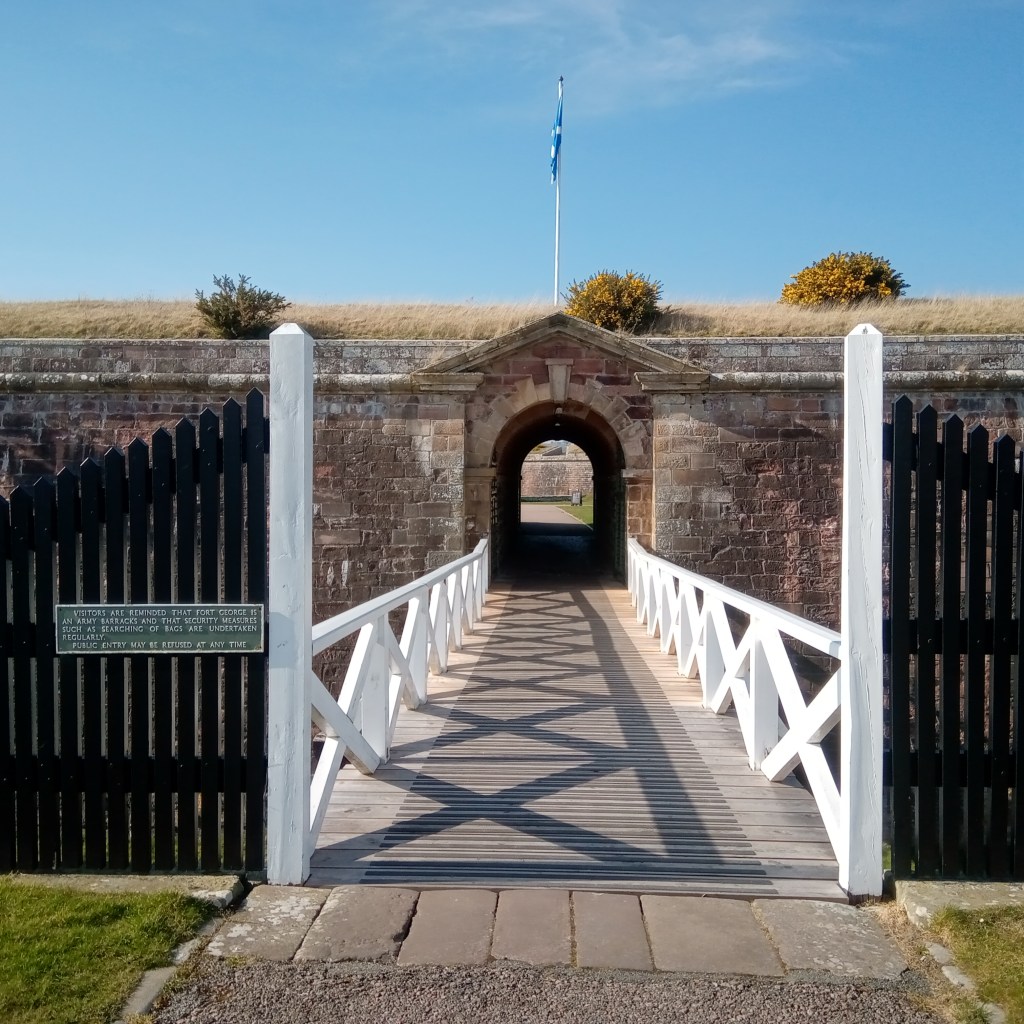
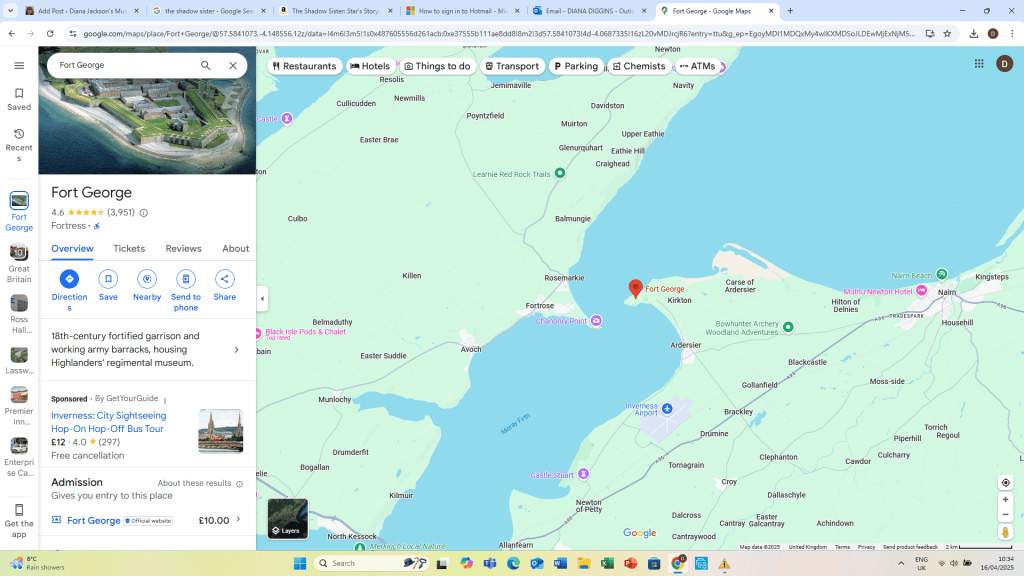
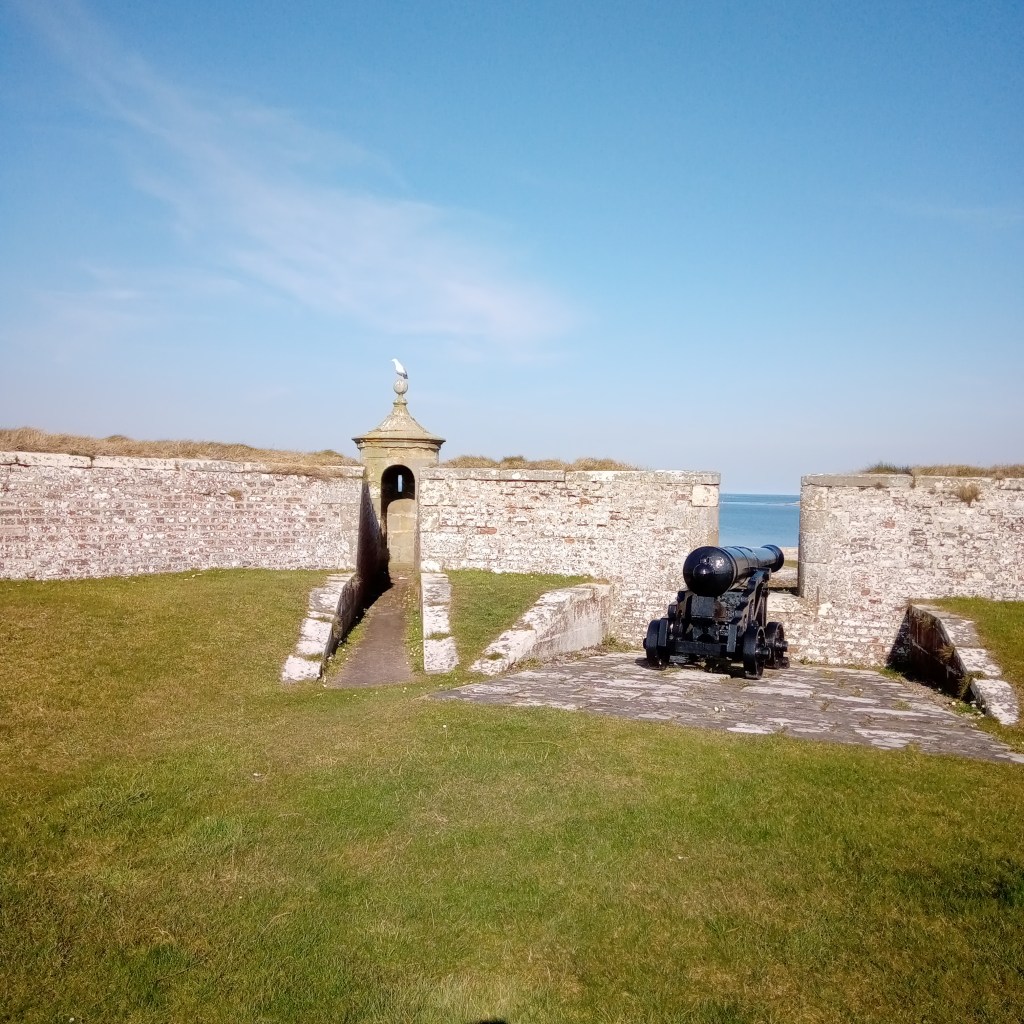
It was poignant to visit the area where John Taylor, my step Great Grandfather was born, brought up and subsequently joined the army. We arrived at Fort George, near Inverness, which is on a peninsula jutting out into the Moray Firth, Scotland, opposite Rosemarkie on the Black Isle.
Fort George is apparently the strongest fortified fort in the British Isles.
It seemed so familiar to me, but that is hardly surprising since it reminded me of the many forts around Portsmouth and Gosport, near where my parents lived and grew up.
It was a perfect blue sky day. Since there were still army personnel about, it was not hard to imagine John staying in barracks there.
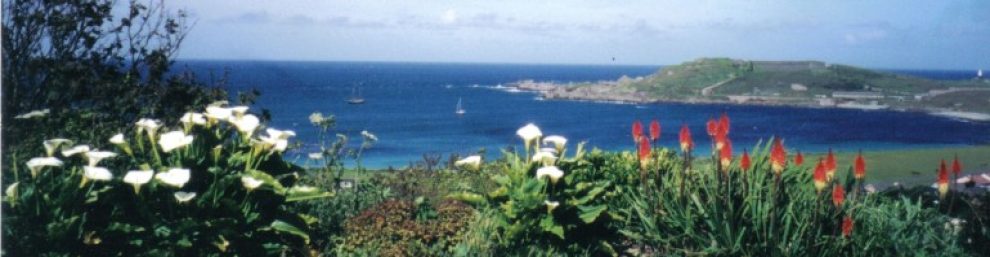
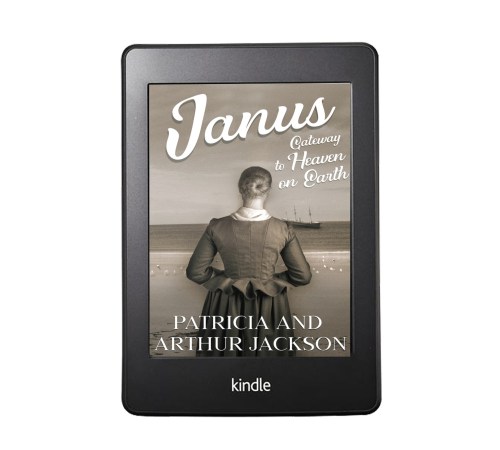
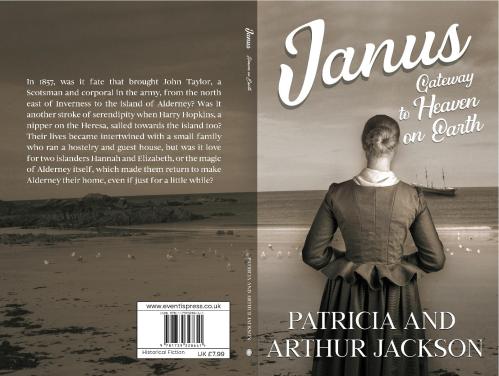
If you’d like to read his story of how he came to live and work on the island of Alderney, Channel Islands in later life, my parents wrote a novella set in the mid 19th century which describes in fiction, life in those days, both at Fort George, Scotland (and Guernsey too) and subsequently on Alderney.
Click on the picture below for possible purchase links:
“This is a memoir of life on the island of Alderney in the mid nineteenth century. It mainly deals with the lives of one family, though a broader picture of life at that time emerges along the way. The narrative is told by Patricia and Arthur Jackson, lightly edited by their daughter, Diana. “It is a story of the stresses and joys of family and island life, of celebration, love but also of loss.”
The reader will learn of the arrival of John, from the highlands of Scotland, who took up residence in Alderney after he left the army. But summarising these and other events would deprive the reader of following them for him or herself and the last thing we need here is a spoiler alert.
So what was life like on Alderney at that time? Well, it had one thing in common with other places then, a sadly high rate of infant and child mortality. Our local graveyard, hundreds of miles from Alderney, provides ample evidence of children dying young, so the reader should not imagine that Alderney was worse in that respect than anywhere else. It is hard to imagine what it took to survive being a parent in those days.
There was no mains water, so “Water had to be carried in from the spring, which ran into the stream behind the inn.”
Many people now, and most young people, get their information from mobile phones and tablets. How times have changed. “Newspapers, particularly, were much prized and were read from cover to cover. When the family had read them, they were left in the inn for other islanders and visitors.”
And although gas was introduced to the island in the course of the book, it is clear that these newspapers were not read by gaslight. “Like most islanders, John got up early each morning and retired to bed around nine o’clock, or soon after sunset, as this economised on heating and lighting.”
What did the islanders like to eat? “Casseroled pig’s trotters and beans, lamb stew and dumplings, rabbit pie and pork brawn were inexpensive but delicious meals. Bread pudding, jam roly-poly, plum pudding and junket were firm favourites too.”
At one point we visit Guernsey. “In the clothes shop next door there were some authentic island pullovers, called Guernseys; so she purchased one for John, since she thought it would be ideal for him to wear in the winter.” To this day, some of us still refer to jerseys such as this as ‘gansies’, which derives from the name Guernsey. So the older reader (count me in their number) will be pleased to hear that some things still live on.
For me, two main things struck me reading this book. The first was the community spirit of the islanders, which is not unusual in small communities where people have to look out for each other. But there is also the fact that, if the authors are to be believed, the general level of behaviour was uncommonly high by the standards of today. (Some would say this would not be hard to achieve.) Not a single incidence of violence is recorded in these pages, and not even evidence of bad blood between any of the islanders. We are told that the islanders built a courthouse and a jail – an amazing waste of money, given how well they all behaved.
I wondered at times whether the authors’ descriptions of love and affection between adults in this book might be somewhat idealised. I have no way of knowing but then, neither had they. All in all, though, an enjoyable and instructive read.”
“This novella is in the main a snapshot of life on Alderney just after the Napoleonic wars, although there are brief snippets describing London around that time and the contrasts between the two. The story’s genesis came through Diana’s parent’s research into their family history on the island. It includes descriptions of the island’s inhabitants and their behaviours, rules and ways of life. Examples being the custom whereby young ladies would be frowned upon if found consorting with men they weren’t engaged to, or the major event the instillation of gas fuelled street lights became. Like all families, there are good times and very sad times too. And the fact it is all bases on actual lives lived makes it all the more poignant. I highly recommend.”
Diana says ” A heartfelt thank you to these, the first of many reviews I hope.

 Diana Jackson