Tag Archives: Early flight

May 1912 The RFC was born ~ Another 100 Year Old Flying Fact!

In May 1912, one hundred years ago, The Royal Flying Corps was born, serving both the army and navy of the day. It took a while for the military to take these new air machines seriously, known as aeroplanes by that time. Up until then many in the military would not consider the potential of this relatively new, and still flimsy, mode of transport. They were looked upon as frivolous toys for the rich and famous, who had too much time and money on their hands to fritter away for pleasure and thrills. To put this in perspective, it was only nine years since the Wright Brothers’ first powered flight. Pretty amazing!

It became impossible to ignore the increasing skills of the pilots of the day, as exciting feats in aerial acrobatics hit the press. You can read in more detail on the following link, about the first pilot, a Frenchman called Adolphe Pegoud who, in 1912, performed a ‘loop the loop’ and also flew upside down, much to the astonishment of all who witnessed the act.

History of Aviation by James Watkins

A detailed history of the conception of the Royal Flying Corps can be found on many blogs and also Wikipedea , but what interests me is the affect it had on the area of my research; in Hampshire,  Southampton Water and the Solent.

Firstly, The Royal Flying Corps’ 1st squadron were based at Farnborough in Hampshire, originally famous for its Air Balloon factory.

Secondly, in my last blog I talked about The Naval Review in 1912 and the first flight off a moving ship. The annual Naval Review, a red letter event in the calender of Portsmouth and the surrounding area, would no longer be a time when the prowess of the naval fleet took all the limelight, since now the flying power of the navy began to steal the show. 

The first waterplane to take off in the UK was in November 1911 from Lake Windermere, Cumbria, and so it was not surprising that the Solent area was just a few months behind when in 1912 that the first “Waterplane“took off from Hamble, Hampshire, sponsored by the Daily Mail.

Aeroplane factories were springing up all over the country, especially with the endorsement of the military, and the shed, which was built in order to assemble and house the waterplane at Hamble Point, beside the Hamble River, where the aircraft made a successful test flight in early July 1912, was Luke and Co Ltd and Hamble Engineering.

The Solent area was certainly a key military location for the UK. It was on the coast for patrols and cross channel flights and was a significant strategic area for the  army, with the Victorian Palmerstone Fortresses guarding this part of the coastline. Then, of course, there was Portsmouth, the long established naval base.

This was truly an  exciting period in the history of this region, and more is yet to come.  
Leave a comment

Filed under Early Flight, Flying Boats and Sea Planes, Southampton

A Reflective Moment

This afternoon I have been catching up on emails and Facebook. I have yet to click on Twitter and was in two minds as to whether to write a blog post today. You see, for nearly a month now I’ve had a bit of a break due to pressures of my other work. I was wondering how I was going to pick up the threads and launch back into Social Media with my original enthusiasm, and whether to wait until Monday.

Then I read this blog post I subscribe to called:

The Book Designer: Listening

It prompted me to think about my audience, the purpose of my blog posts and the style. Feeling like a nervous swimmer just dipping her toes for the first time into the cool sea, with hesitation I clicked open my blog, and to my surprise people have still been reading my blog posts, even in my absence. How gratifying! This slight boost to my confidence, was all I needed to click on ‘New Post.’

Hello again! I’m back!

And what am I going to be writing about in the next month?

  • I will continue with my theme of interesting stories of early flight especially related to the Solent area, both before and during WW1
  • I will tell you about colourful characters in this world of flight
  • I will continue with the occasional topical post of the day
  • and finally I will update you with some exciting news about my next novel ~ coming out very soon!

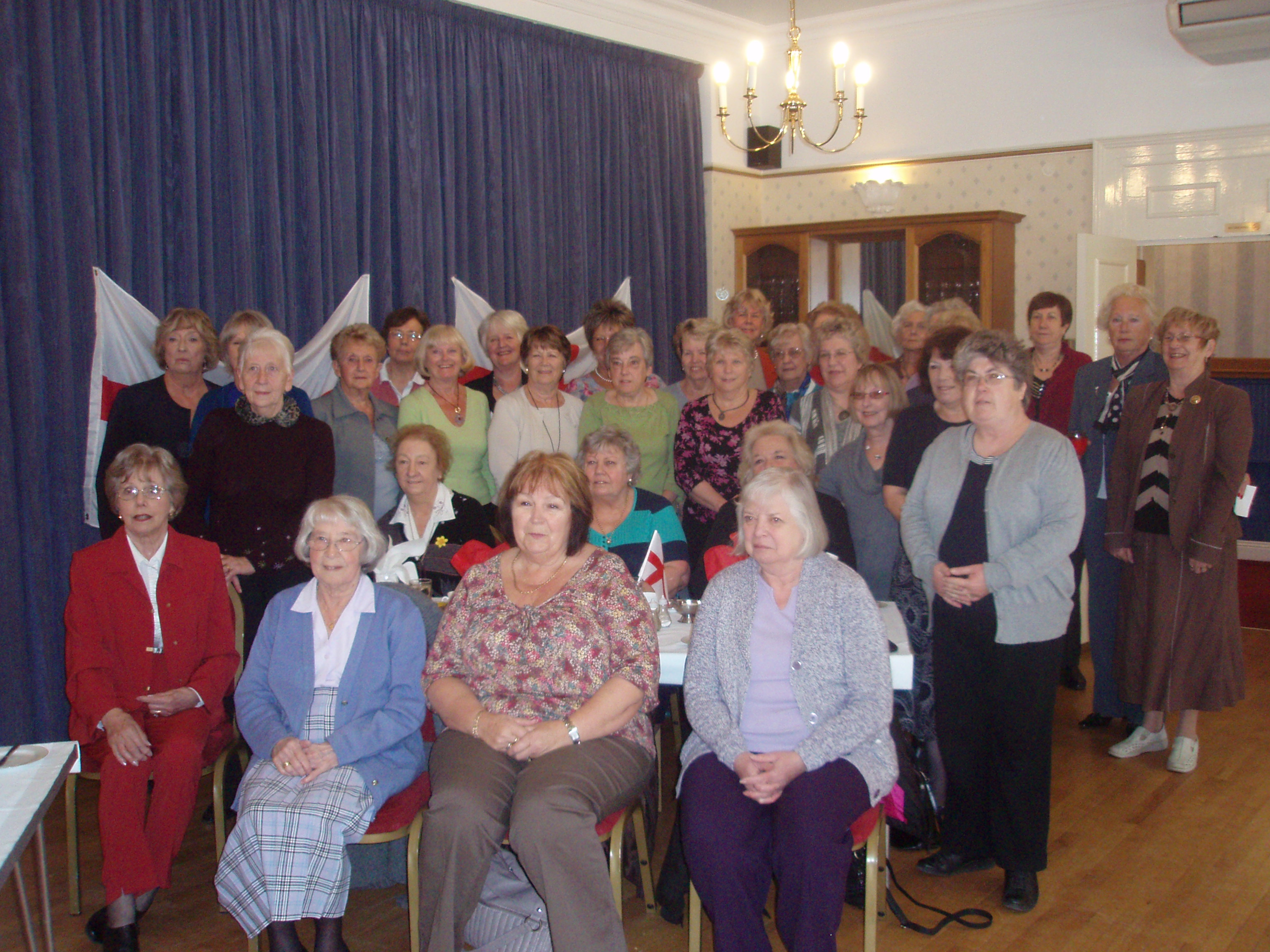
My news of today though, is that on Monday I spoke about Alderney, my family history and my writing to a lovely group of ladies in Ampthill. I thank them for their warm welcome and here is a picture of them before our most enjoyable lunch.

Ladies who Lunch in Ampthill

Let me know if there is anything you would like to know about my writing, research, family history, in fact anything related, within reason! I will do my best to reply if I can, but I certainly look forward to your feedback here on my blog, your comments on facebook and on Twitter.

I’m listening again:-)

Leave a comment

Filed under Blogs, Talks, Writing

Why Woolston and The Channel Islands are Linked in History

 Woolston and The Channel Islands have been inextricably linked over the last few centuries!

Steamers to Guernsey, Jersey and Alderney left from docks just across the Itchen Ferry from Woolston for over a century and previously by sail. In fact before that, in the 18th century, Jersey was the fourth largest shipbuilder in the UK.

I’ve just found a wonderful new website which tells the history of Steamers to Alderney Click on the link to read more details.

With the advent of flight around the beginning of the 20th century, especially flying boats, it was not long before successful attempts were made to reach the islands by air.

The end of the First World War, of course, was a turning point. What to do with all those redundant aircraft and aircraft factories, let alone capable pilots at a loose end, those who remained intact anyway?  

Many of the factories could revert to making cars and various motor vehicles, which they had produced before the war, but what of the others? To many entrepreneurs, the Richard Branstons of their day, commercial flight was the most obvious solution and by autumn 1919 Supermarine were flying passengers from Woolston, Southampton to Bournemouth, The Channel Islands and to France. 

Following this Imperial Airways continued an international service using amphibians from Woolston between 1924 and 1929, whilst using Croydon for their land based aircraft.

Where does my interest stem?

With a Great Grandfather born on Guernsey and a Great Grandmother born on Alderney and parents brought up in Woolston, this history seeps into my soul and makes my heart sing!


With a Great Grandfather born on Guernsey and a Great Grandmother born on Alderney and parents brought up in Woolston, this history seeps into my soul and makes my heart sing!

It was not a coinicidence that the many early flights to The Channel Islands were made from the Woolston area and that

Leave a comment

Filed under Alderney, Channel Islands, Early Flight, Family History, Flying Boats and Sea Planes, Southampton, Supermarine, Woolston