Category Archives: Research

Winchester Hampshire Regiment Museum ~ Many thanks

In Ancasta, one of Harriet’s sons worked in a bicycle shop before WW1. I knew there was a bicycle shop in Woolston having discovered a wonderful book of collected memories, of people in Woolston and the surrounding area, in Southampton Library about ten years ago. It just goes to show how a snippet of information gleaned many years before can pop into your  head when planning a new novel.

Well,Tom, that’s the name of this young man, led me a merry dance and I’ll explain why:

I had found a list of the Hampshire Regiments on the internet and was pleased to discover the  9th (Cyclist) Battalion. Perfect, I thought, and I began to scribe ideas for possible chapters. My immediate thought was that he could be a messenger on the Front, until I found to my horror that men fought on bicycles during the Great War much like charging on horseback. I was beginning to feel out of my depth here and so the best way forward was to seek an expert, so I turned to the Regiment Museum in Winchester.

Firstly I spoke to a helpful lady, the assistant curator Rachel Holmes, who kindly photocopied the most detailed account they had of the Battalion’s movements. I had already discovered a limited amount on the internet. (I quickly learnt never rely on the internet for research, unless you can find at least two sites to back up your findings, and even then it’s best to find hard evidence) I soon realised that my man never set foot in France at all, or even in Europe for that matter. It took a while before he was even posted, but in the end he went much further afield than that. I won’t spoil the story by telling you the details, but he travelled to a much more exotic part of the world, and being a timid sort of a chap, it was quite a harrowing experience.

Anyway, once I had drafted my couple of chapters I telephoned Rachel again, and thanked her for her help, asking if she would mind reading my chapters through and giving me feedback. It was at this point that she introduced me to Lt Colonel Colin Bulleid, the curator of the museum, who read the part of my manuscript, picking me up on valuable points like, ‘Tom would not have been able to carry a full pack on his back whilst cycling,’ the correct usage of the terms ‘unit’, ‘section’ and ‘battalion’, suggestions that I refer to the censored details of letters…..

There was one point though, which would have changed the whole direction of several chapters of the story, so I gave him a call and asked him what he thought. His reply was,

‘You know Diana, I had to let you know what I thought about it, but since you probably now know as much if not more about the 9th Regiment than anyone else, then I’d take a lot of my comments with a pinch of salt if I were you.’

I laughed and thanked him again, claiming poetic licence. After all, when all is said and done,

Ancasta ~ Guide me Swiftly Home is fiction.

However real the characters are to me now!
Leave a comment

Filed under Ancasta, Historical Fiction, Proof Reading, Research, Writing a novel

To The Alderney Museum and Society ~ Many thanks

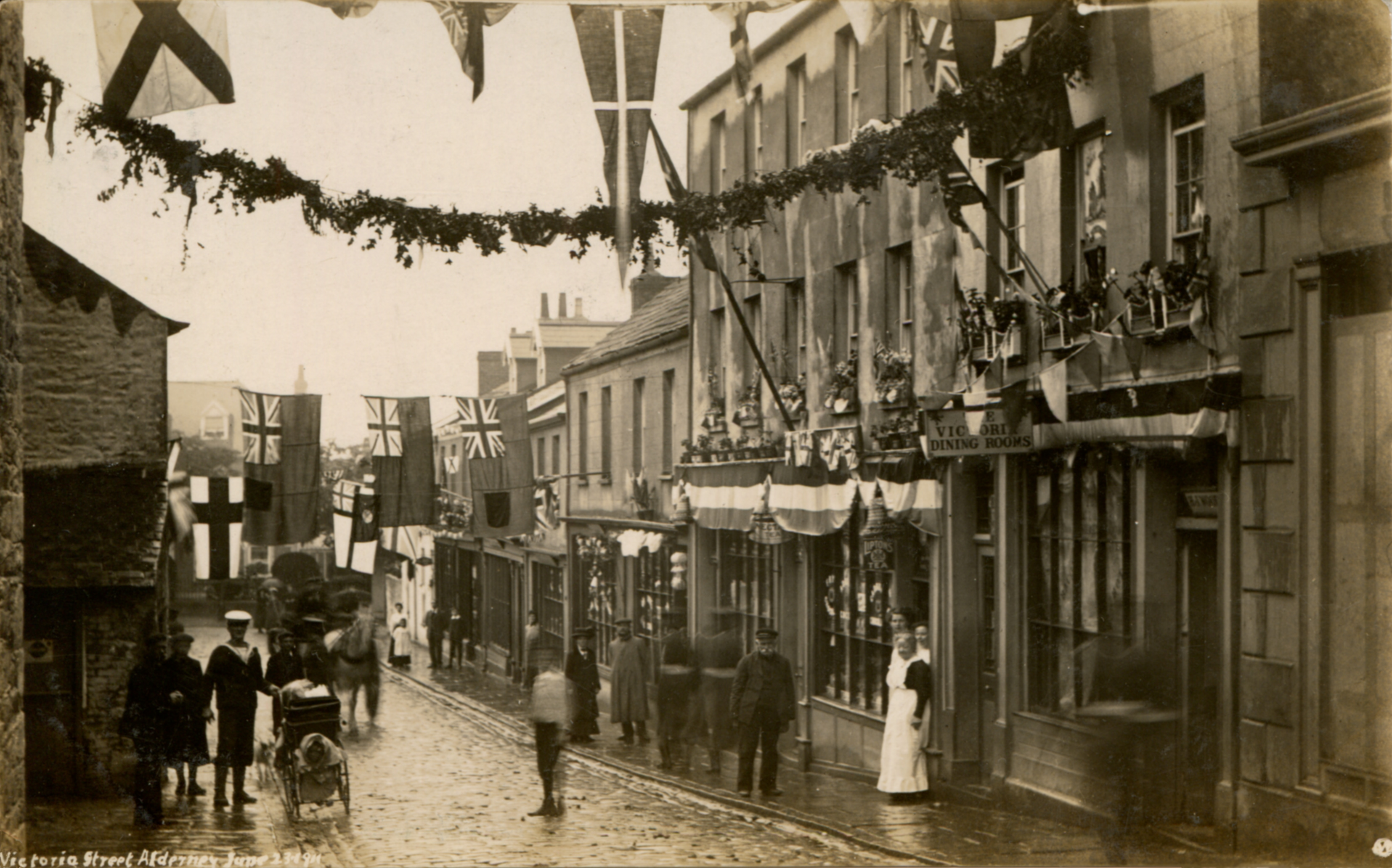
Victoria Street Alderney


(Many thanks to John Elsbury for the use of the Westness Postcards in this blog post)

I have spent many pleasant hours at the Alderney Museum browsing around their interesting displays and special exhibitions, but in the last few years my visits have become more purposeful. First of all I joined the Alderney Society, gaining access to their growing number of books, documents and other materials. The majority of these items have been donated to them, since many books were burnt for fuel during the Occupation in WW2.

The volumes cover history, flora and fauna of Alderney and all of the Channel Islands, with personal accounts and memoirs adding a real flavour to the picture of life on the island in days gone by for the researcher.

I would particularly like to thank Francis Jeens who, for the past two years, has acted tirelessly as the curator of Alderney Museum, inputting fresh ideas and positive links with the school and community. Under her guidance I was fortunate to be given access to materials from their substantial archives, delving into artefacts, pictures, newspaper cuttings and photos from the early part of the twentieth century and The Great War.

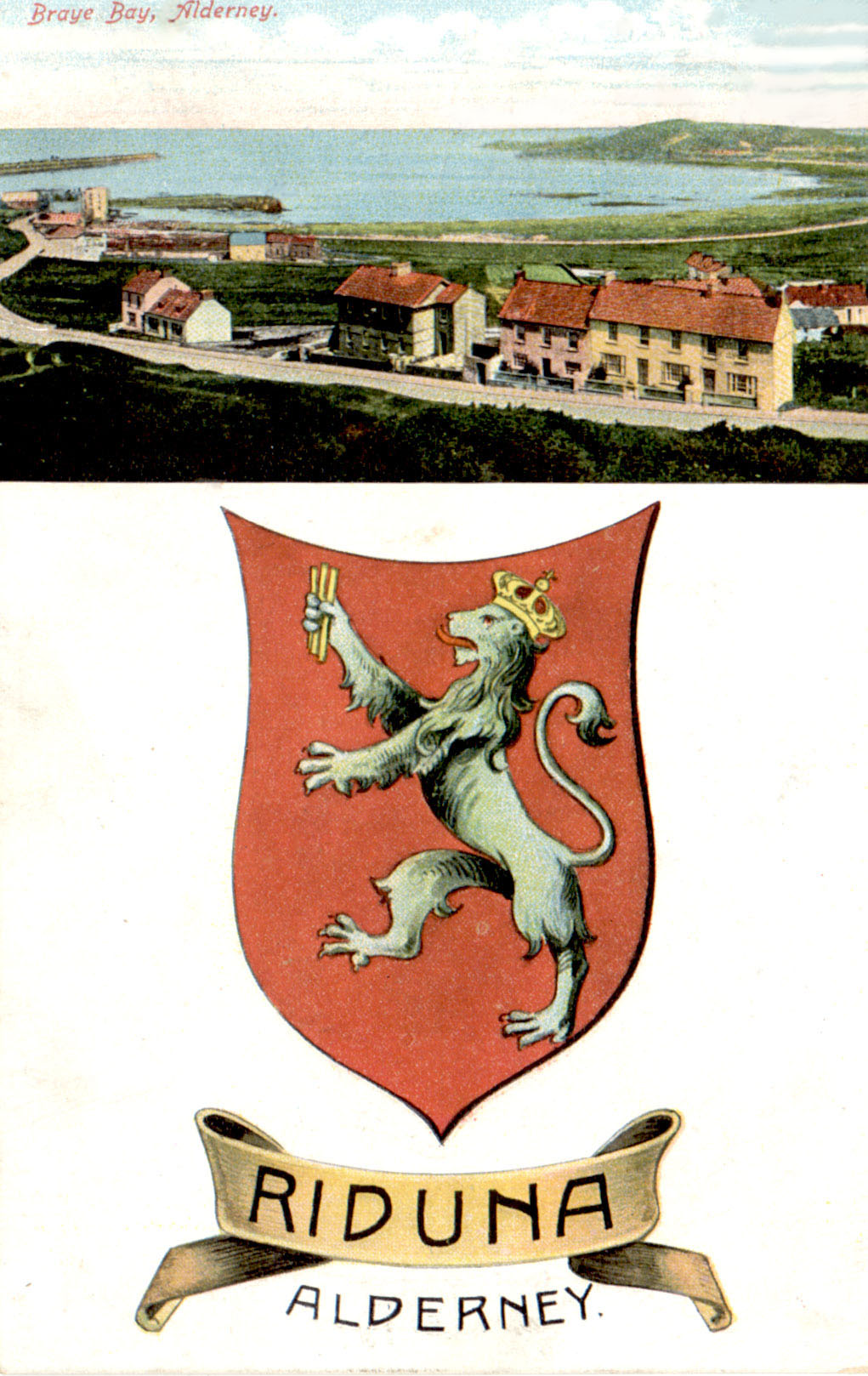
Then, on my last visit in October 2011,  Trevor Davenport offered to read through the relevant chapters of my manuscript. His valuable feedback not only ensured that the details relating to Alderney in Ancasta – Guide me Swiftly Home, were as accurate as possible, but also enabled me to amend a few details in the revised version of Riduna, my novel which bears the Roman name for the island of Alderney. Here is a web link to the Alderney Society and Museum:

The Alderney Society 

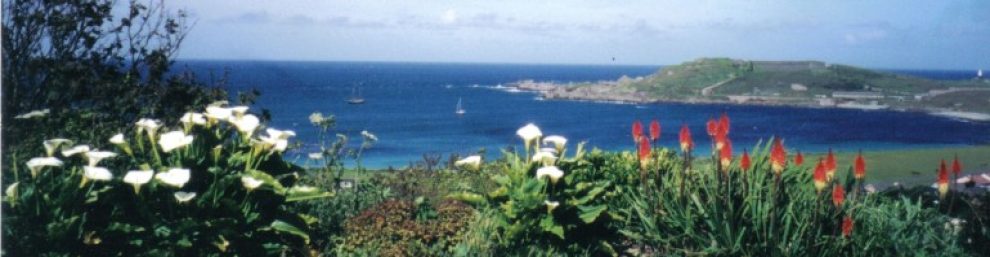
The island of Alderney is a very special place; one worth visiting not only for its rich history, but also for its unspoilt coastline, unique wildlife like the albino hedgehogs and black rabbits and popular sightings of puffins and gannets, but also not forgetting its very friendly people!

Leave a comment

Filed under Alderney, Ancasta, Channel Islands, History of Alderney, Research

To The Bitterne Heritage Centre BLHS ~ Many thanks

hert2.JPG - 45792 Bytes

Anyone who is interested in local history of the area near Southampton, north of the River Itchen including Bitterne and Woolston, would enjoy popping into the Bitterne Heritage Centre on Peartree Avenue. There are all sorts of artifacts donated by local people which they sometimes loan to schools in the area, but it is also a treasure chest of books and resources including old maps.

On three occasions I browsed though various books, giving myself a flavour of life in Woolston in the early part of the last century, under the guidance of Martyn Basford, who was more than willing to halt his task of classifying and cataloguing items, in order to discuss at length a query I had, or direct me to somewhere where I might find the answer. Areas of research included Supermarine, the history of Southampton and Woolston, the Floating Bridge, local businesses and shops, in fact anything which would add authenticity and colour to the lives of Harriet’s imaginary family who lived in Woolston between 1910 and 1920.

It was Martyn who suggested that I should ask for Colin van Geffen, ‘a local historian and expert in the Schneider Trophy’ when I was on my way to Solent Sky.

More recently I cannot thank him enough for planning the actual launch of my novel

Ancasta ~Guide me Swiftly Home

on 7th July

I sent Martyn an e mail saying that I felt it important to celebrate the event in or near Woolston itself and asked for suggestions. I didn’t hear from him for over a week, but didn’t worry because it was Jubilee weekend and everyone was busy, one way or another.

I was so surprised and grateful to receive his email later on saying that he’d planned the morning for me.

At each of the following venues I will give a short talk for ten to fifteen minutes and then have time to sign books for anyone who would like one:

10am Woolston Library

11am Bitterne Heritage Centre

12 noon Bitterne Library

What a wonderful morning Martyn has planned for me and I cannot thank him enough! If you are anywhere in the neighbourhood then pop by and say hello. They also have a bookshop and charity shop a few doors away from the Bitterne Centre which is worth a visit too, and you can find details on their web-site:

BLHS HERITAGE CENTRE 

Leave a comment

Filed under Book Shops, Flying Boats and Sea Planes, Research, Supermarine, Woolston