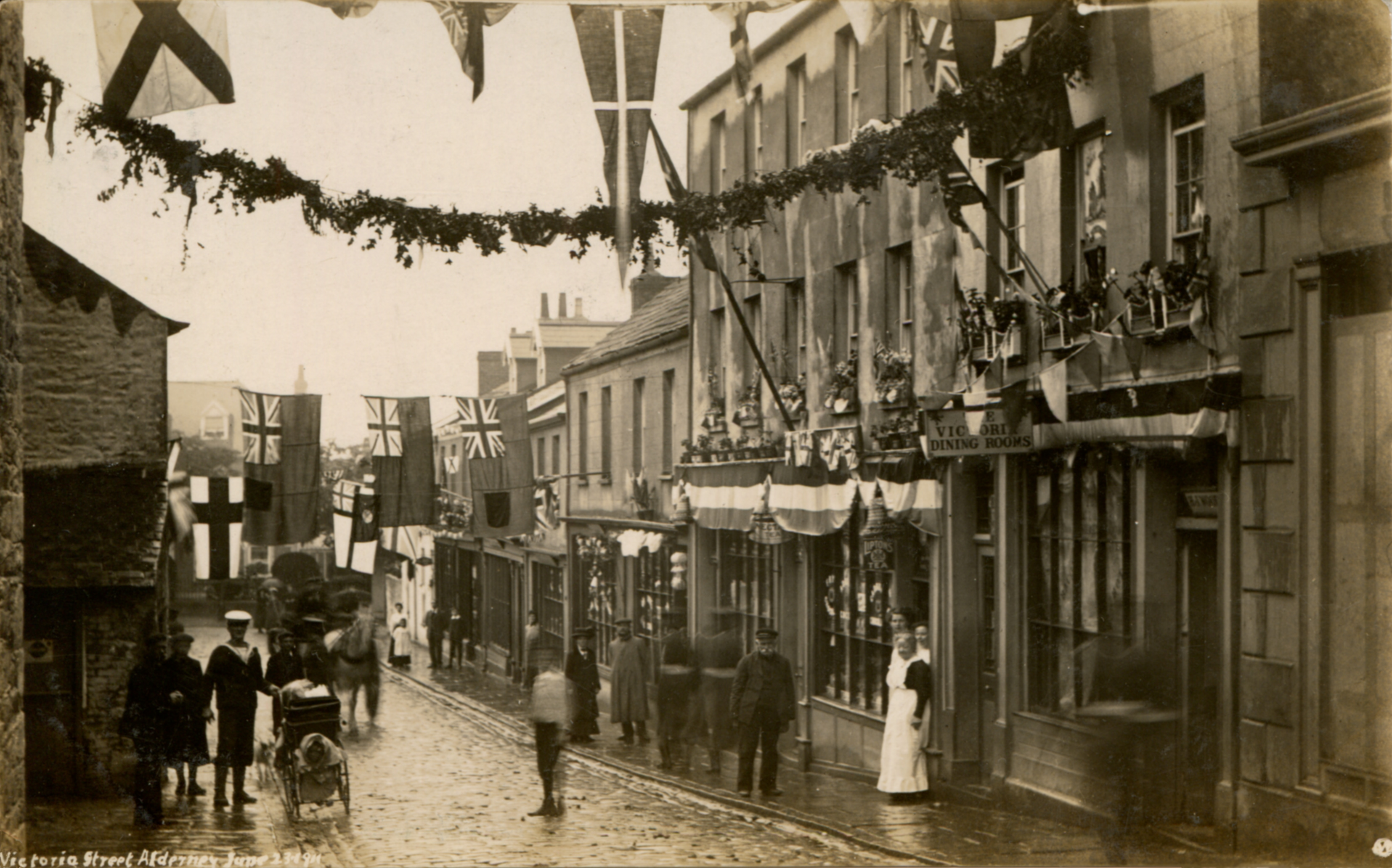
Victoria Street Alderney
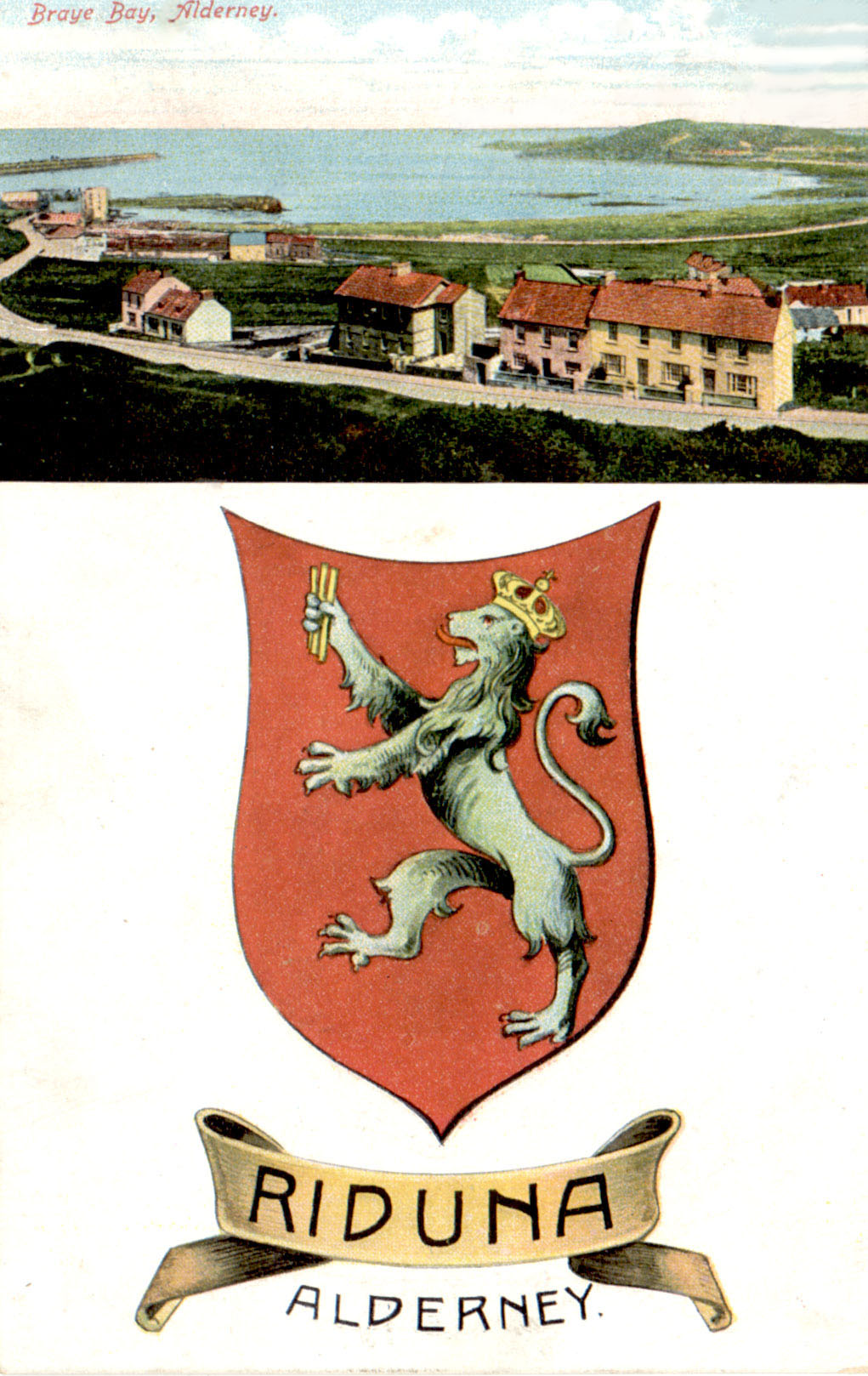
(Many thanks to John Elsbury for the use of the Westness Postcards in this blog post)
I have spent many pleasant hours at the Alderney Museum browsing around their interesting displays and special exhibitions, but in the last few years my visits have become more purposeful. First of all I joined the Alderney Society, gaining access to their growing number of books, documents and other materials. The majority of these items have been donated to them, since many books were burnt for fuel during the Occupation in WW2.
The volumes cover history, flora and fauna of Alderney and all of the Channel Islands, with personal accounts and memoirs adding a real flavour to the picture of life on the island in days gone by for the researcher.
I would particularly like to thank Francis Jeens who, for the past two years, has acted tirelessly as the curator of Alderney Museum, inputting fresh ideas and positive links with the school and community. Under her guidance I was fortunate to be given access to materials from their substantial archives, delving into artefacts, pictures, newspaper cuttings and photos from the early part of the twentieth century and The Great War.
Then, on my last visit in October 2011, Trevor Davenport offered to read through the relevant chapters of my manuscript. His valuable feedback not only ensured that the details relating to Alderney in Ancasta – Guide me Swiftly Home, were as accurate as possible, but also enabled me to amend a few details in the revised version of Riduna, my novel which bears the Roman name for the island of Alderney. Here is a web link to the Alderney Society and Museum:
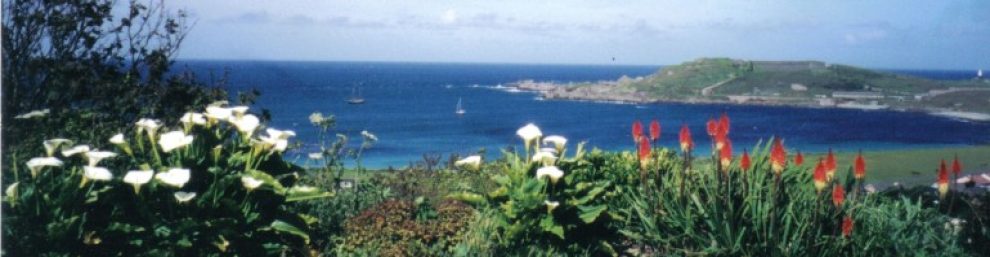
The island of Alderney is a very special place; one worth visiting not only for its rich history, but also for its unspoilt coastline, unique wildlife like the albino hedgehogs and black rabbits and popular sightings of puffins and gannets, but also not forgetting its very friendly people!

 Diana Jackson