planning a novel
-
How to Create an Imaginary Setting for a Novel
Draw a map Draw out a basic map with streets, footpaths, houses, shops and any other key places. Make it large enough to add to. Link it to other towns, real or imaginary, with arrows at the edge of the page. (eg Bedford 5 miles) Add in railway stations and bus stations, if they feature…
-
How to Create an Imaginary Setting for a Novel
Draw a map Draw out a basic map with streets, footpaths, houses, shops and any other key places. Make it large enough to add to. Link it to other towns, real or imaginary, with arrows at the edge of the page. (eg Bedford 5 miles) Add in railway stations and bus stations, if they feature…
-
Elizabeth Renier ~ Born 1811 / Quesnel/ Taylor
Let’s start at Elizabeth, my Great Great Great Grandmother, the first relevant person in my family tree and a key character in RIDUNA. Elizabeth Renier married Nicolas Quesnel on 15th May 1932 on the island of Alderney. John Taylor became lodger in the household, which we are led to believe was called The Reading Rooms…
-
Can You Leap Back into your Writing Life?
Can you leap back? I’m not sure. I’m certainly striding forward in my hopes, dreams and aims for 2023. (see last post) Two weeks ago I searched for the unfinished manuscript for the third in my Mystery Inspired by History Series. (I finished writing it in October 2020, in lockdown, at the time I was…
-
Virtual Tour around the main settings for my latest novel ~ real and imaginary
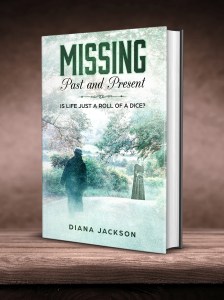
MISSING Past and Present is unlike my previous novels because two of the main settings are imaginary. Why go to all that trouble? It challenges the imagination of the writer and the reader It will not offend a reader ~ in my murder mystery, set on my doorstep at the time in a village down…
-
Light Bulb Moment of inspiration ~ Just a Sentence ~ then a Story Plan
HAVE A NOTEBOOK AT ALL TIMES Do you have a notebook, or a plethora of notebooks to hand when inspiration for writing strikes? Sound advice! All it took was just a sentence popping unbidden into my mind: ‘While picking blackberries in the hedgerows one day, I found a dice.’ CHOOSE AN UNUSUAL PROTAGONIST I had…
-
Real v Imaginary Settings in a Novel
WHY IMAGINARY LOCATIONS ARE CHOSEN? There are many reasons why an author may choose to write in an imaginary setting rather than in a real location. Here are a few of them. Do let us know if you can think of others. To Avoid Association with Crime Agatha Christie was the mistress of creativity when…