Category Archives: Research

To The Shuttleworth Archives ~ Many thanks!

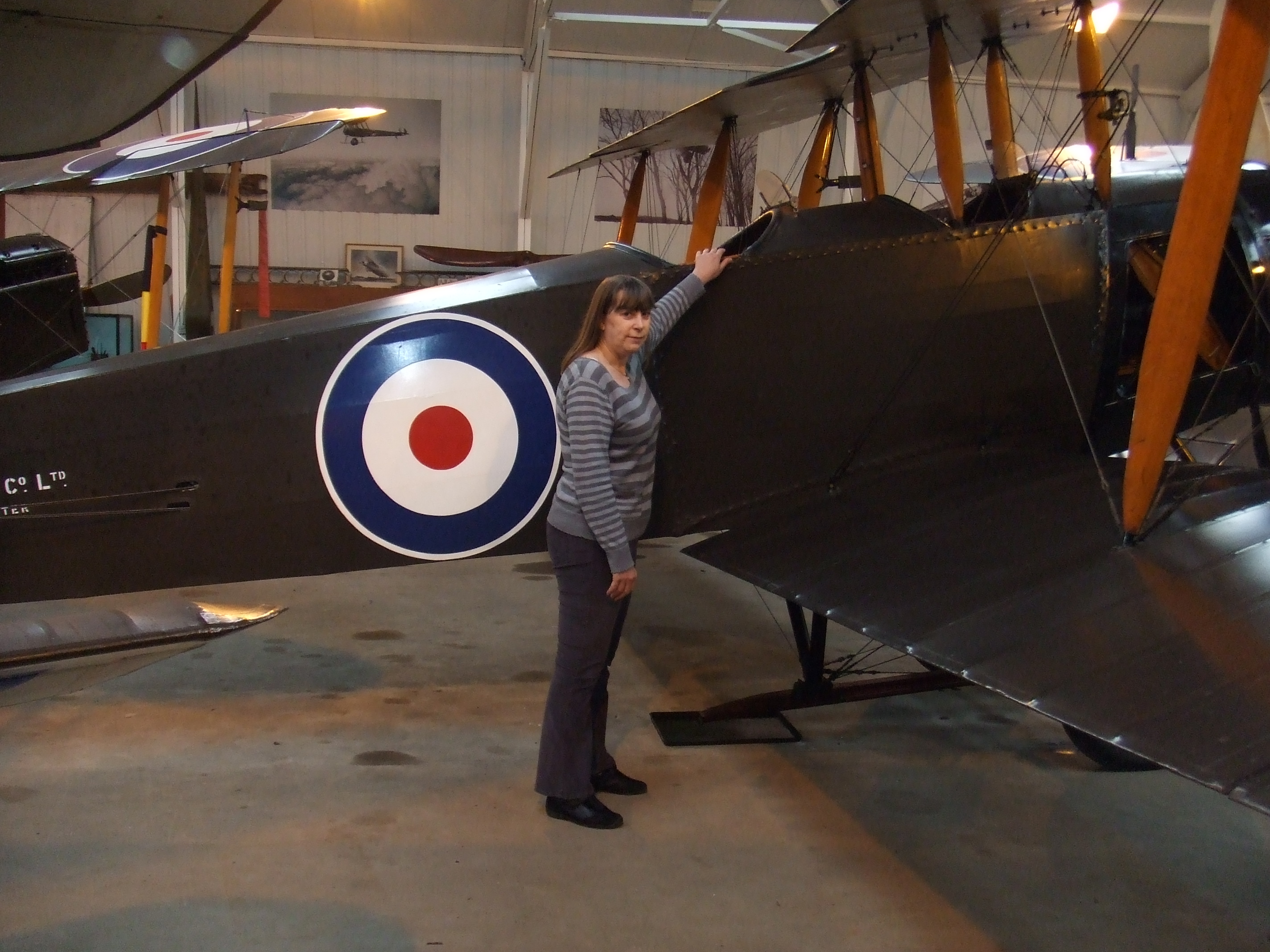
Diana with the Avro504K

In the first few months of my research I spent several days at the Shuttleworth Collection Archives under the guidance of John Benjamin and Richard Greaves. I skimmed through many books about early flight, especially flying boats, Supermarine and the first sea plane carriers used in the Great War. I was also very kindly allowed to bring home a couple of books I wished to read in more detail. (I will write some book reviews later this year)

I believe I’m no different to any other writer of historical fiction in that I only expect to use about 5% of my research materials. At first I use the books as a guide to writing my plan and developing the first draft. During the first draft I found myself homing in on certain aspects and needing to return to the archives for more specific information.

It may seem a little bit strange that I should go to Shuttleworth, especially for information about the history of flying boats, but the main reason is simple; I am fortunate enough to live near-by and their planes often fly over our garden. Once I became a member of the SVAS I was allowed to gain access to the archives and I was greatly impressed by the extensive range of books and other resources available. It is open on a Tuesday, being manned by enthusiastic and knowledgeable volunteers, meaning that my visits had to coincide with my holidays. This had the bonus of giving me enough time to assimilate my materials, consolidate my ideas and be increasingly specific about my queries.

Both John and Richard were extremely patient with me, often answering emails with smaller queries in the meantime. I was so grateful that, on asking if they would mind checking through my relevant chapters, both gentlemen were willing to check through the complete document. Their support, input and encouragement was invaluable and I can’t thank them enough.

I supplemented these visits with walks around the aircraft in the museum, getting into conversation with the people carrying out maintenance, who give me snippets of detail about the manufacture of the planes, for example the distinctive style of stitching on the wings.

Shuttleworth is unique in that, the majority of the aeroplanes you see in the museum, you can also enjoy the pleasure of watching them fly on one of their monthly air days through the summer. I have written a couple of blogs about these memorable days, and it is certainly a thrill to see planes like the Avro 504, similar to one featuring in my novel, taking off and soaring above our heads. Amazing!

Here is the Shuttleworth Website.

I am pleased to announce that the bookshop at Shuttleworth have agreed for me to do a pre- launch exclusive book signing for 

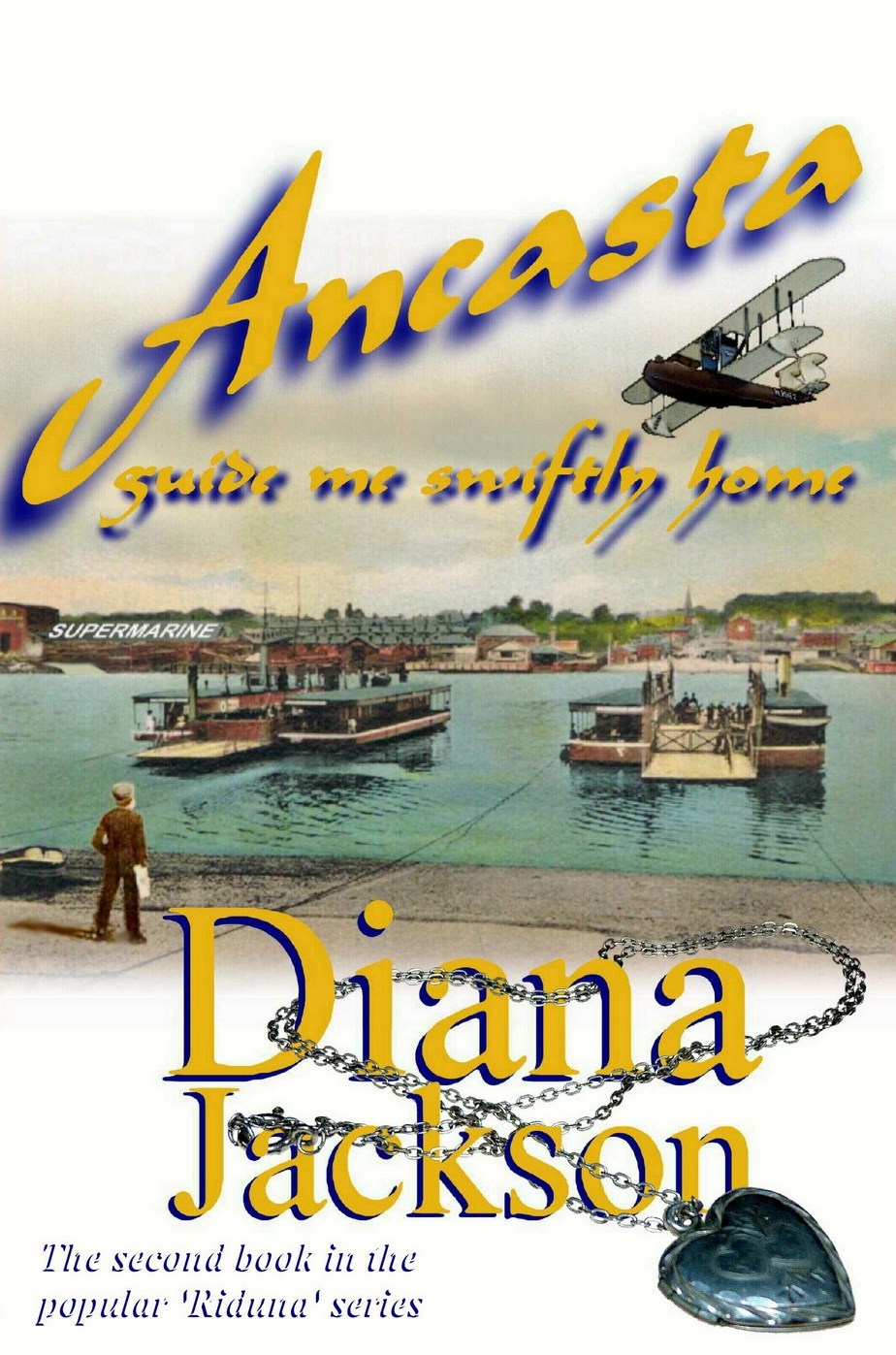
Ancasta ~ Guide me Swiftly Home

at their

Air Pageant Day

on July 1st

one week before the national launch on July 7th!

Fingers crossed for the weather.
Leave a comment

Filed under Ancasta, Book Shops, Early Flight, Flying Boats and Sea Planes, Libraries, Research, The Shuttleworth Collection, Writing a novel

Colin van Geffen – Local Historian and Artist

This is the first in a series of blogs to acknowledge the many people who have given me support and encouragement during the research and draft stage of my novel Ancasta – Guide me Swiftly Home.

Colin van Geffen

I have a great deal to thank Colin van Geffen for. Firstly he gave me a great deal of support during my research into the history of Woolston, Southampton, in particular the history of the early development of aircraft manufacturing in the local region.  I was soon aware that he was also an artist who delighted in aviation and local seascapes and so it was a natural step to ask Colin if he would like to design the cover for my novel, which he was pleased to agree to. In fact he has painted an acrylic for a second edition of Riduna too, which will be out at the same time.

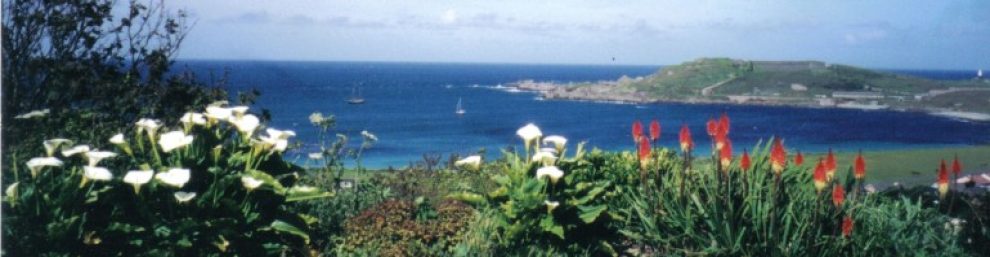
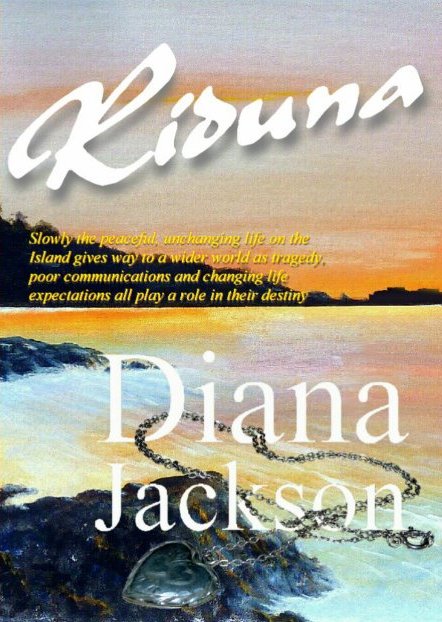
Here are the two new covers, first for Riduna, showing the wild and rugged coast of Alderney as Harriet would have seen it, from her home in Platte Saline, looking out towards Fort Clonque.

Here is the front cover for Ancasta, of the familiar floating bridge over the River Itchen towards Woolston and the Supermarine Works from Southampton.

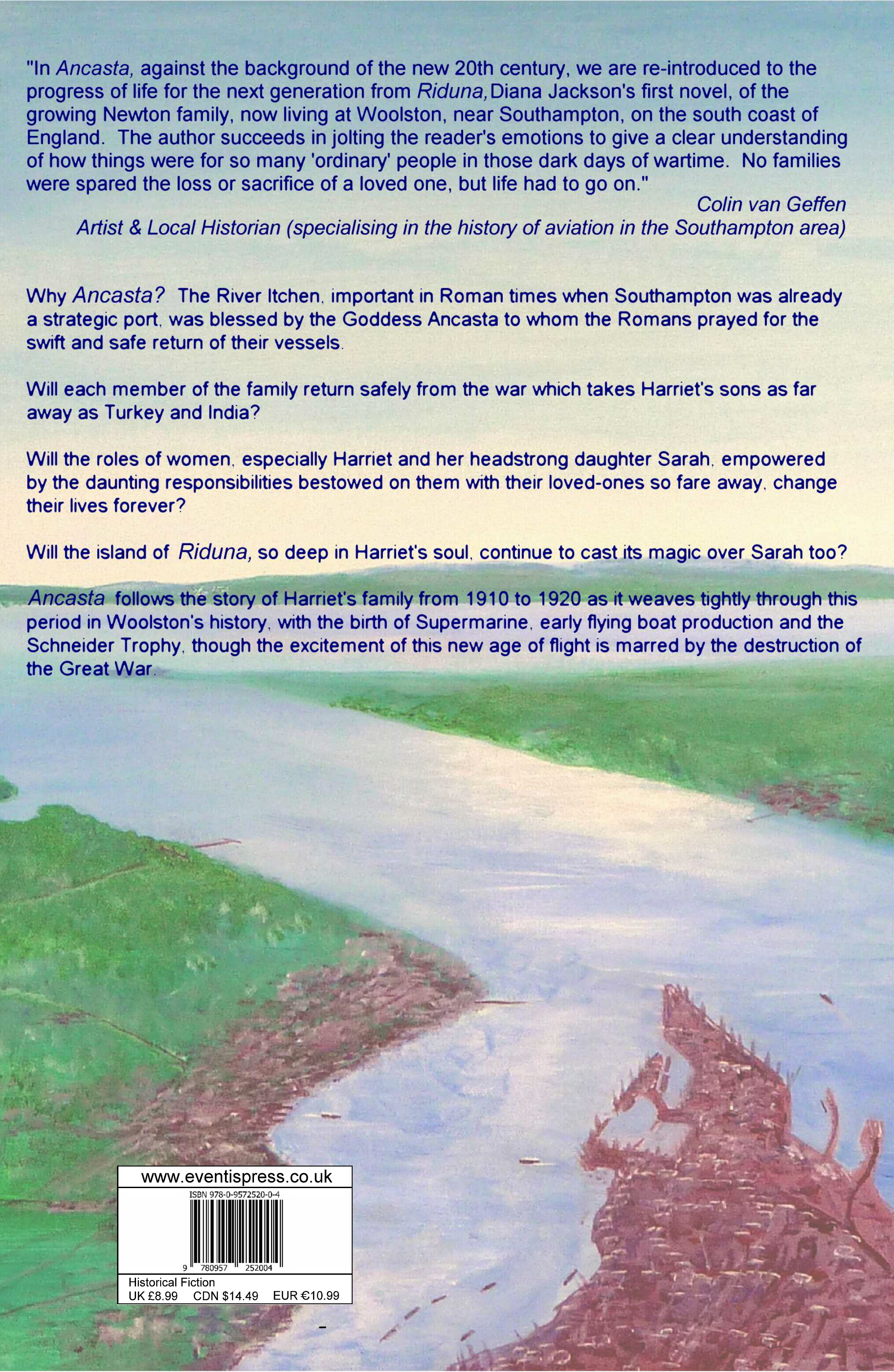
The back cover is in fact a watercolour looking down from an aircraft out towards the docks, Southampton Water, Hythe and Calshot. As I explained in my last blog, Ancasta was the Goddess of the River Itchen, from which my novel flows to The Channel Islands and the world beyond.

If you have been reading my recent blogs, you will be aware that ‘Ancasta’ my second novel  and the next in The Riduna Series, has a theme running through it reflecting the early years of  flying boats, mainly at Woolston Southampton. The story itself is romantic, historical fiction, but my aim was to be as realistic as possible as to the lives my family might lead, living in Woolston Southampton from 1910, as we left them at the end of Riduna.

It was in my early days of research for the novel, on my second visit to Solent Sky the air museum in Southampton, that it was suggested I ask to speak to local historian who specialises in giving talks about the development of flying boats, in particular The Schneider Trophy, Colin van Geffen.

It was immediately apparent that Colin was not only knowledgeable, had a sense of humour, but he also needed to be reassured that my interest was genuine, and so he stopped me mid sentence with a question,

‘And so what is the difference between a flying boat and a sea plane Diana?’

‘Well,’ I hesitated, realising that my credibility might hang on my answer, ‘I believe a flying boat is a boat with a hull that can fly, whereas a sea plane is an aircraft that has floats so that it can float on water.’

I smiled nervously, with my fingers crossed that I had passed the test, but not leaving it at that Colin pointed to a photo behind my head and asked,

‘So what is that?’

‘It’s a Supermarine flying boat,’ I replied confidently.

From then on Colin was always there to answer my questions, check my facts, read through my manuscript for inconsistencies or factual errors regarding local history and more recently to design my book covers.

I am grateful to Colin for all of his support, patience and encouragement along the way!

If you would like to see more of his varied work then visit his website:

Colin van Geffen

Leave a comment

Filed under Alderney, Ancasta, Early Flight, Flying Boats and Sea Planes, Research, Riduna, Woolston

Save our local libraries

Living in a rural community in Bedfordshire I am so aware of the importance of the local library service especially for the younger and older members of the family. The memories of going to a library as a child are extremely precious for me, to treasure in the same way as going into a sweetshop. Bookshops too are fantastic for kids but there’s nothing like a child being able to browse though a variety of colourful picture books to choose for themselves the ones to borrow for the week ahead. When it is time to leave, what a fantastic way to teach values for a child to take their chosen books to be scanned, stamped in my day of course, and put carefully into Mum, Dad’s or Grandma’s shopping bag. This is even more true for towns which have no bookshop in which to browse. You just can’t get the same relationship with or feel for an online book.

Once at home it’s wonderful for children to experience the rare quiet and solitude of being absorbed in a book, letting their imagination to soar in their fantasy world. This is totally different to watching TV or playing games on the internet. Then of course there’s sharing a book at bedtime. What a soothing end to a child’s day!

For manyof us, our busyworking have cut out the simple pleasure of visiting the library for books, although I have used mine for research purposes, even ordering books unavailable locally. For a small fee I even had one book sent over from a library in Guernsey. That’s service for you. I have also given three talks now in my local libraries, all very enjoyable experiences; platforms to speak of my journey into writing to interested people. As for using the library on a regular basis I have to admit that I don’t. I am torn between using the library and the need to support my favourite local bookshop Horatio’s in Ampthill, with an apostrophe that is! I would be upset if either closed.

During my talks I am aware that other main libray users are people in retirement with more time on their hands to read and less disposable income, especially due to extremely low interest rates on their savings in the last few years. The library is a fantastic, endless resource of reading matter of their choice but it is also a meeting place and somewhere with internet access if they have no computer at home. In the larger libraries there is often a cafe too. The other group, who may have more time to spare to enrich their lives by reading library books, are those unfortunate to be not employed for whatever reason.

With all this in mind I fully support campaigns to keep our local libraries open but like any othet local facility, if you don’t use it, you lose it!

What do you do to support your libraries? Do let me know.


Another surprising use of Ampthill library I’ve just discovered in looking for photos is on the blog of Nadine Dorris. Here you can find a picture of the friendly staff at Ampthill library praised for looking after the MP during her surgery.

Leave a comment

Filed under Book reading, Book Shops, Libraries, Research