Tag Archives: flying boats and sea planes

‘Schneider Trophy to Spitfire’ by John Shelton

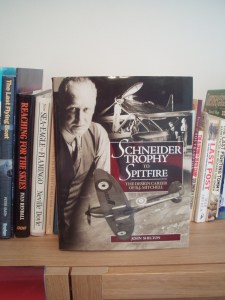
Schneider Trophy to Spitfire by John Shelton

I bought a copy of John Shelton’s comprehensive reference book ‘Schneider Trophy to Spitfire‘ when visiting the RAF Museum in Hendon. With its chronological factual information, enhanced by original photographs, diagrams, adverts and anecdotes, it a an extremely readable history of early flying boats leading to the development of the Spitfire. Looking at the double page photo of Flt Lt B.D Hobbs in his Supermarine Sea Lion in the sea at Bournemouth is so clear, although black and white, that it looks as if it could have been taken yesterday and not in 1919.

My specific interest in reading background for my novel Ancasta Guide me Swiftly Home was only up until 1920, but with my family connections with Supermarine Woolston, with both my uncle and grandfather working there at the start of WW2, I was compelled to read it to the end.

RJ Mitchell was an amazing man with a vision for the future.  His engineering skills in designing the first flying boats and then sea planes, culminating in the Supermarine Rolls Royce S.6B winning the Schneider Trophy outright in 1931 over the Solent was an inspiration. John Shelton’s knowledge on the subject and his extensively detailed and meticulous research  has produced a volume which would be enjoyed by any person interested in history, especially that of flight.

I was able to refer to ‘Schneider Trophy to Spitfire’ on two occasions recently away from the context of my writing. One was the question posed, ‘When were metal rather than wooden hulls introduced?’

(John Shelton discusses in detail the Napier ‘Lion’  engine which could be supplied with either a metal or wooden hull in the ‘Southampton’ which appeared in March 1925)

The second was, ‘The Schneider Trophy winner was a sea plane, or float plane. When did the design suddenly change from flying boats?’

(Again Shelton describes the Supermarine Napier S4 ‘designed in an inspired moment… the greatest credit is due to RJ Mitchell for his courage in striking out on entirely new lines……..((from ‘Flight’)) and was first flown by Biard in 1925)

Supermarine’s Chief Designer was only 29 years old at the time and it must have been quite revolutionary for its day!

It was not until a recent visit to Solent Sky, the air museum in Southampton, when I looked at an exhibit of small model aircraft in the upper gallery that I could see even more clearly the development from the Schnieder Trophy to the Spitfire. Once the S4 had been established, and the world record in speed had been gained, it was not such a big leap to develop a sleek, fast and enduring landplane, the Type 224 Spitfire which is on display in Hendon today.

As a writer of historical fiction, you need to read around your subject in depth in order to weave the lives of your characters around the facts in certain moments in time so that the story is natural and believable. I would like to thank John for writing such a readable and interesting account, the fact that some of it went way beyond my technical understanding was irrelevant and I can highly recommend his book.
Leave a comment

Filed under Book reviews, Early Flight, Flying Boats and Sea Planes, Historical Fiction, Schneider Trophy, Southampton, Supermarine

From Riduna to Ancasta – the seeds to my new novel were sown

What inspired my recent interest in the history of aviation?

I have written about the moment that my debut novel ‘Riduna’ was conceived, but for those of you who were not reading my posts back then, here’s a quick recap.

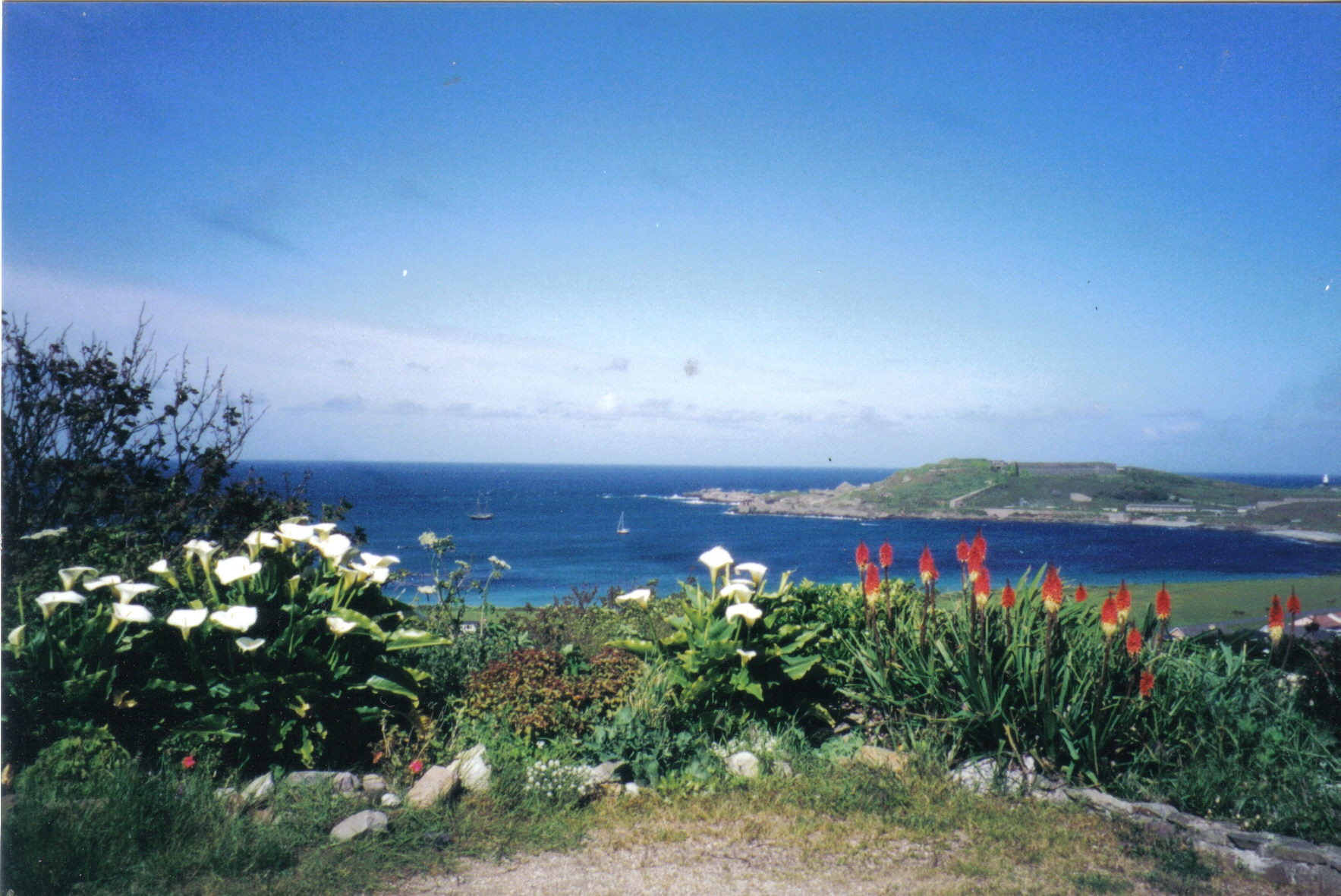
“I was standing on the Butes looking out over Alderney Harbour and Braye Beach Fort Albert on the island of Alderneytowards Fort Albert, thinking about my father’s stories about my great grandmother Harriet Jane, who was born on the island in the late nineteenth century. We had been on several family holidays on the island of Alderney in the Channel Islands when I was young, but it was only on this holiday, when all the family had reunited on the island and I was in my late 30’s, that my dad began to talk of Harriet. As I tried to imagine her life back then and could see red coated soldiers marching along the bay from the fort towards the harbour, the seed of Riduna was planted in my mind.”

Returning to my opening question, I had a similar moment of inspiration although the setting for this could not have been more different.

I was visiting the Woolston area of Southampton with my parents one weekend; a trip down memory lane for both of them since they grew up in the area and for me it also evoked happy times visiting my grandmother who lived in Newtown Road.

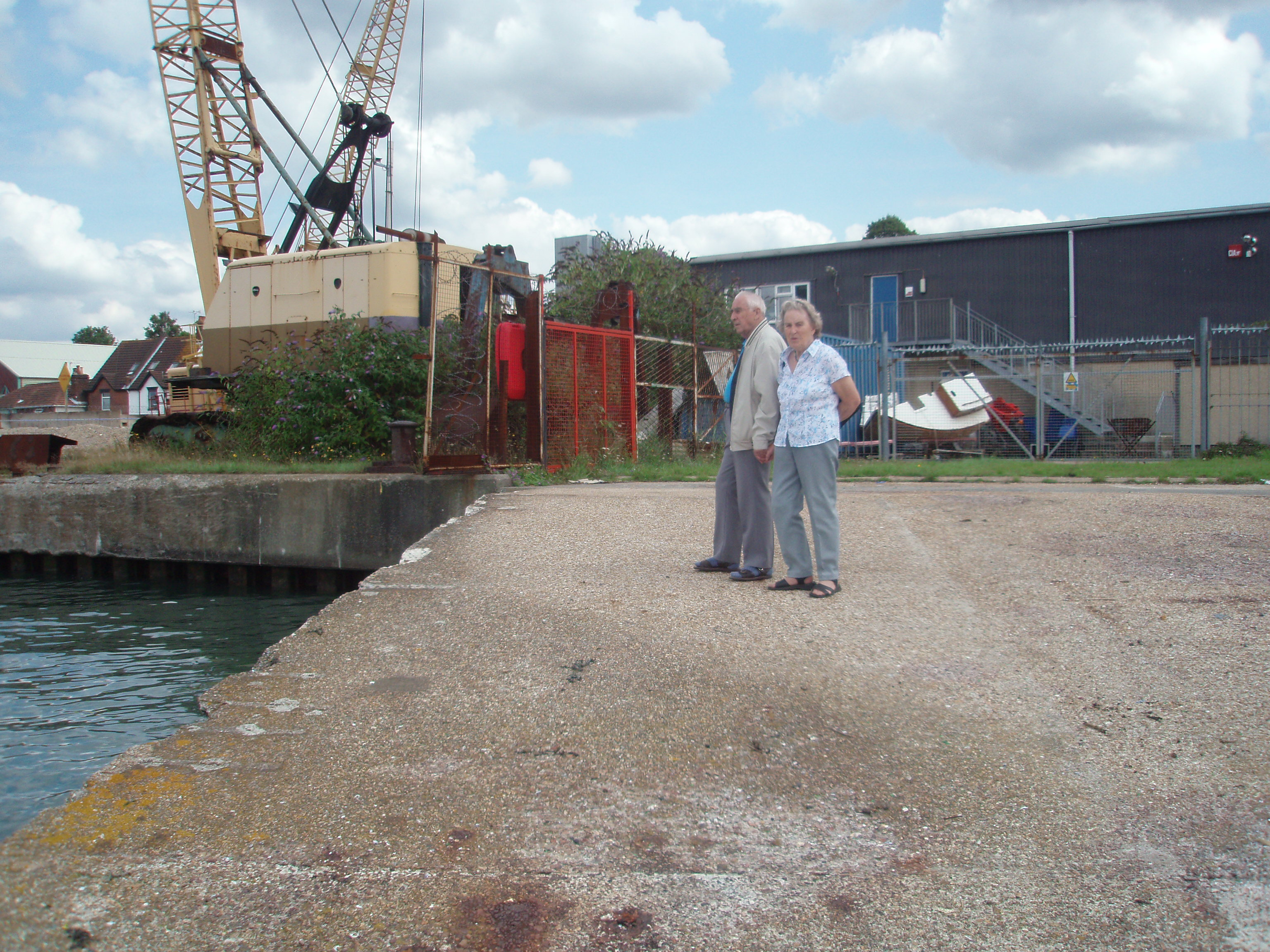
We walked down to where the floating bridge used to leave the shores of Woolston for Southampton over the River Itchen, now under the shadow of the new bridge. Here we read the tastefully embossed plaque which commemorates the birth of the Spitfire.  Next we ambled further north along the river’s edge to try to locate the site of Supermarine. Eventually we found the slipway in front of a higgledy piggledy assortment of buildings and from old photographs we had seen, we knew that that this was the place.

Mum and Dad standing on the Supermarine slipway

While I stood there my imagination was running overdrive thinking of the momentous events in history conceived on this very spot from ‘Supermarine
to Spitfire,’  for which we have RJ Mitchell among others to thank. Then I began to think of the effect on the local businesses, the local economy, the banter in the public houses and the lives of everyday people. My desire for a new journey of research had been granted.

This blog will be the last in my series related to the history of aviation but as soon as my new novel is published I will return; covering topics which will include:

Solent Sky – The Southampton museum in the history of local aviation

Calshot

The Shuttleworth Collection – The archives, the museum itself

Aviation in the Channel Islands

Sea planes and flying boats

Sea plane development

Book reviews I used for my research

…………………………………….

To name but a few directly to related to flight, but my reseach also took to many other places where I met an interesting variety of enthusiastic people!

Leave a comment

Filed under Blogs, Channel Islands, Early Flight, Family History, Flying Boats and Sea Planes, History of Alderney, Riduna, Southampton, Supermarine, The Shuttleworth Collection, Weston Shore, Woolston