Ancasta ~ Guide me Swiftly Home
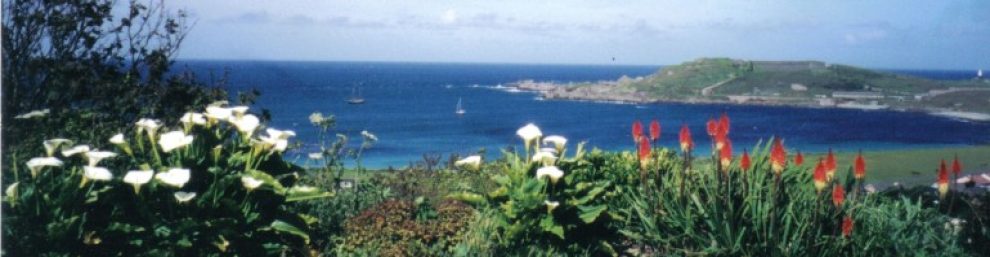
An unusual title, but as soon as I heard the name Ancasta, I thought she would be a perfect follow on from my first novel ‘Riduna,‘ allegedly the Roman name for my favourite island of Alderney.
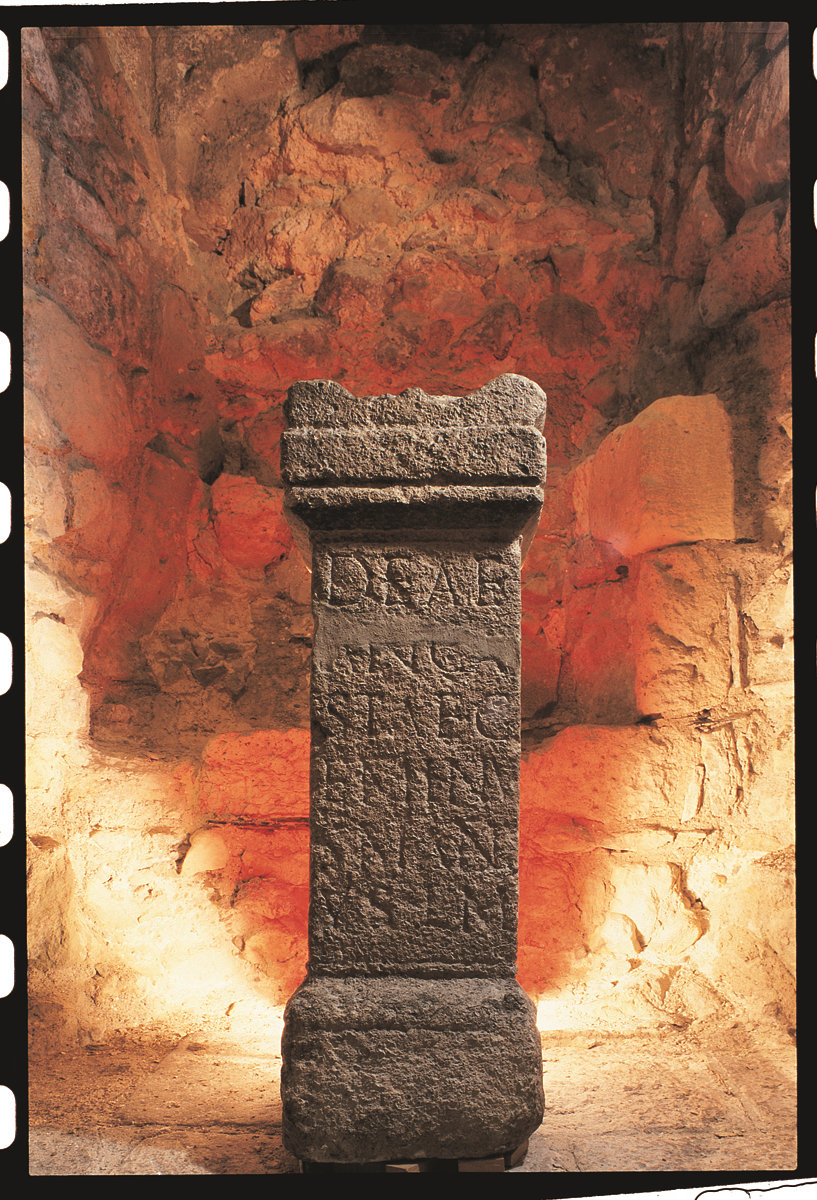
Ancasta is mentioned on an altar inscription from Clavsentvm, a Roman settlement, (possibly the first in the UK) found at Bitterne in Hampshire. It reads: (and I quote Mike Hart’s website here):
“DEAE ANCASTAE GEMINVS MANI VSLM (To the goddess Ancasta, Geminus Mani[lius] willingly and deservedly fulfils his vow), which represents the only known dedication to this goddess.”
In Southampton Sea City Museum
Mike goes on to explain the speculation regarding Ancasta, and it was this speculation which inspired me to name my second novel after her:
“Ancasta is known because of the inscription above and as such was probably a local deity. However, by comparison with the re-construction of proto-Celtic the goddess’ name can be broken down into the components *an-kast-a- (very swift one). It may be that she was a river goddess, asssociated with the nearby River Itchen (which would certainly fit with the interpretation of her name though this is merely speculative).”
It was with excitement that I visited Southampton’s Sea City Museum for the first time this summer. It was not open while I was researching for the novel and here is a photo of the alter stone in its display case, in the ‘Gateway to Southampton Gallery.’
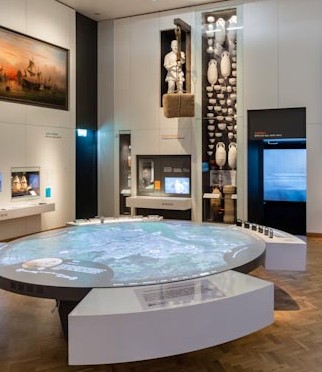
The Gateway Gallery is a fascinating reflection of all the many peoples who have arrived in the port of Southampton over the centuries. With the influx of each new arrivals, whether as an aggressive invader or to avoid deprivation or poverty, or just in search of a new and more fulfilling life, Southampton has changed and adapted.
To Harriet and Joe in my first novel ‘Riduna,’ Southampton represented a promise of work and a new life for their family. It would be a marked contrast to their lives in the Channel Islands on Guernsey (Sarnia) and on Alderney (Riduna) but they would have to adapt to survive, and adapt they did!
This gallery is only a small but interesting part of the whole museum, whose main focus is to tell the story of the Titanic, in a colourful, interactive manner, stimulating all of the senses. I even stood at the Titanic’s helm and attempted to steer her through the narrow permissible shipping lane. This was not only an enjoyable challenge but brought to my mind the realism on the first chapter of ‘Ancasta,’ when Edward, the captain of the LSWR Princess Ena steers his ship along this course.
This exhibition is excellent, not only to explore the controversial sinking of this infamous ship, but also in giving a greater awareness of the impact of the port on the life of Southampton, from dealing with copious laundry, the infrastructure needed to ensure fresh provisions were available and the connecting services and transport facilities were at hand. Of course, this is as true today as it was back in 1912 when the Titanic left Southampton.
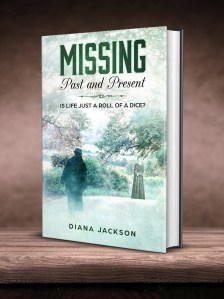
‘Ancasta ~ Guide me Swiftly Home‘ tells a story of an ordinary family living at that time in Woolston, Southampton. Harriet, in setting up her guest house on the banks of the River Itchen, becomes part of that infrastructure, and as her sons begin to work at Supermarine, it is to the skies they look up to, as much as across the river and along Southampton Water. Many a time they prayed for the swift and safe return of both family and friends and Ancasta tells the story of those who left and those who remained at home waiting for news.
I would like to thank the Arts and Heritage Office from Southampton City Council for kindly allowing me to use the photos. (Please note that taking photographs is not permissible in the museum)

 Diana Jackson