Category Archives: Planning a novel

Genealogy and How it has Shaped my Writing

Part 1 Introduction

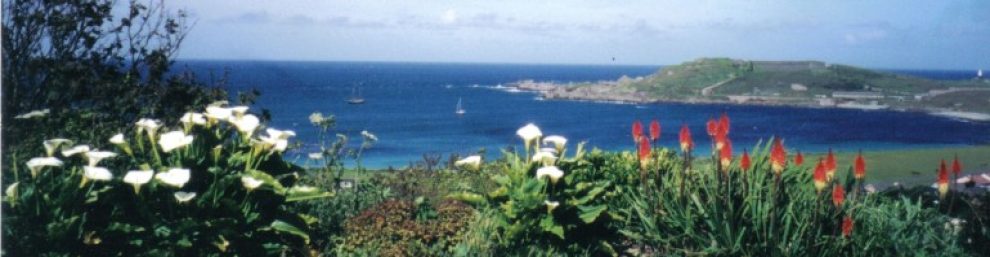
My parents were seriously researching our family history at the same time as I was researching for my first novel RIDUNA, inspired by the story Dad shared with me of my Great Grandmother Harriet (Hopkins/Jackson). We were holidaying on the island of Alderney; a fitting place to tell us her story as he knew it:

Harriet sparked my imagination; an orphan living on the island of Alderney at eight years old, being brought up by her Grandmother (Elizabeth Renier) and Step Grandfather (John Taylor) until the age of fifteen years, when she became too much to handle. Sounds familiar? Anyway, she was shipped off to her aunt’s on the island of Guernsey.

Here’s Harriet’s true story as we knew it back in 2010.

Now we know more about the plight of Harriet’s parents, her actual story would make a good book too.

Over the next few weeks I will share how Mum and Dad carried out a painstaking search of our family history, which began its journey on the island of Alderney when Dad, Mum and I poured over acetate after acetate of records held at The Alderney Museum, guided by the later curator of the museum, Peter Arnold, the island potter back in about 2005.
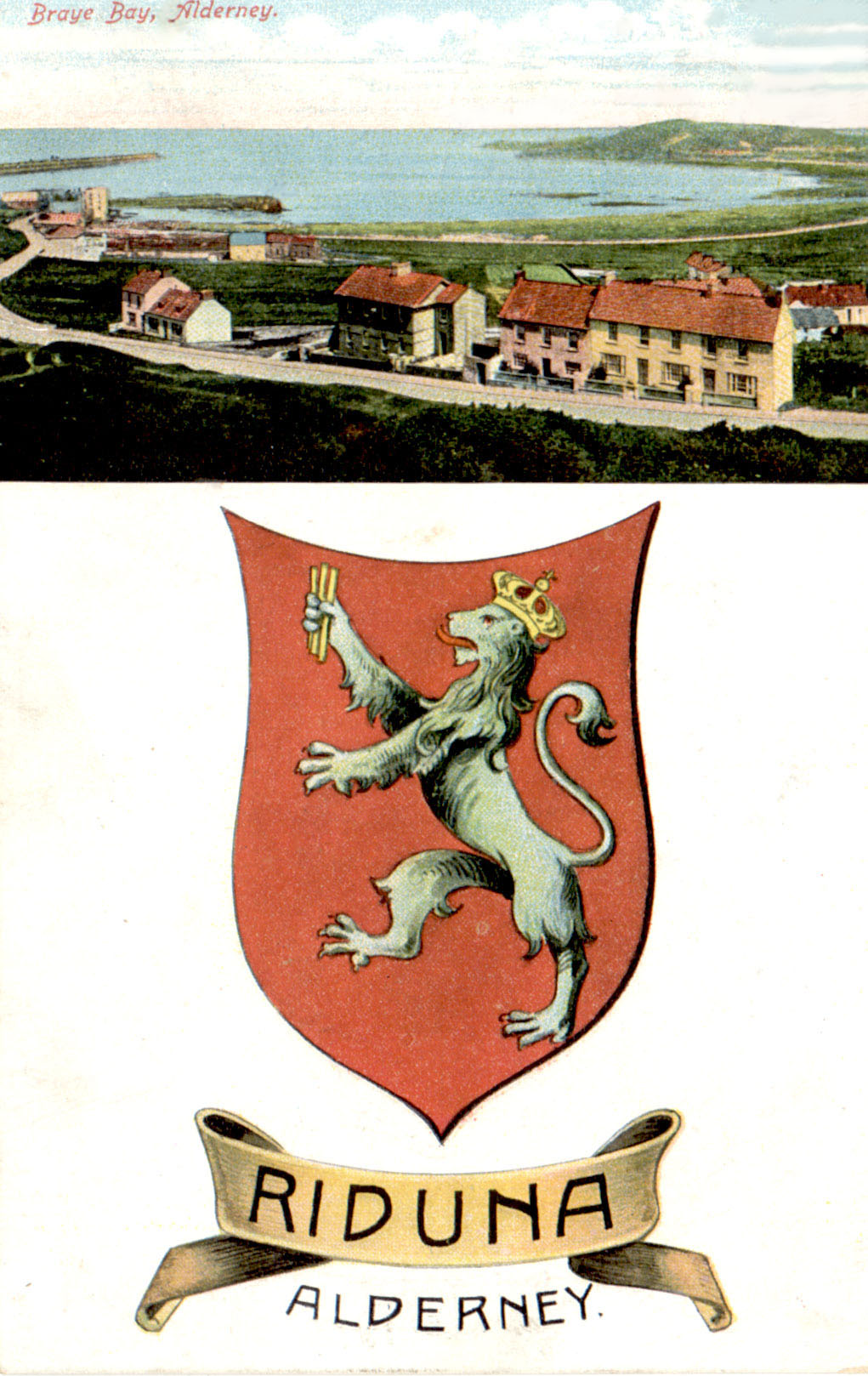
As I wrote my first draft, my imaginary story of Harriet and her true story became intertwined; veering from truth to fiction and back again. You see, at the time of planning the novel, I did not know the end of the real story!

Next post ‘Harriet’ and her family history as we know it.
1 Comment

Filed under Alderney, Channel Islands, Family History, Inspiration, Planning a novel, Uncategorized, Writing a novel

Can You Leap Back into your Writing Life?

Can you leap back? I’m not sure. I’m certainly striding forward in my hopes, dreams and aims for 2023. (see last post)

Two weeks ago I searched for the unfinished manuscript for the third in my Mystery Inspired by History Series. (I finished writing it in October 2020, in lockdown, at the time I was told that both of my parents had been taken into hospital.) Since then I have been unable to write creatively until now, and I know my parents would be encouraging me to get on with it, if they were still alive. It’s time.

I was suitable surprised to find that I had already written well over 50, 000 words. Almost certainly over half way! After the joy this discovery gave me, I set to work:

I Converted the Manuscript for Kindle

I converted the unfinished manuscript to epub (you don’t need Mobi anymore) on Calibre e book management Library (click on the picture above), and then sent it to my kindle using my kindle email address. If you don’t know your kindle email address, you can find it under Your Account on your device.

Now, I could read it at my leisure without printing out all of the document. My contribution to saving the planet’s resources,

Located my story notes

If, like me, you have numerous notebooks, and a poor memory especially after Covid, this can take a while. I have tried to write clearly on the front of each notebook what it contains. Anyway, I eventually found the right one and the notes which were conveniently listed it:

  • Brief chapter outline
  • Side by side how the story within a story links with the main chapters
  • List and description of characters in both stories
  • Rough plan of chapters still to be written
  • Maps, which are the same as those in MISSING Past and Present

What to do and in what order?

Now I had all that I needed:

  1. I read through my chapter notes carefully.
  2. Next I read the last three chapters I’d written, on my kindle.
  3. Then I acclimatized myself with the characters, trying to visualize each in my mind’s eye and even enjoyed pretend conversations with them, bringing each alive once more.
  4. I took a deep breath, enjoying the quiet of the house,
  5. … and then I started to write.
  6. As easy as that.

It was fortunate that on Tuesday, when I knew my husband would be out of the house curling, (Yes, one of the lovely things about our life here in Scotland is the variety of activities we find ourselves participating in) the internet was down at home and so I had no distractions whatsoever.

At the end of the morning I was so surprised that I had written, 2,300 words.

I edited them on Wednesday and then this afternoon, when my husband was out with the Rotary judging the school children in their Burn’s Poetry Recital Competition, I managed to write another 1,000 words.

What has surprised me most is how easy it has been to absorb myself wholeheartedly in this imaginary world, which had laid dormant in the back of my mind for over 26 months. That’s remarkable isn’t it!

Leave a comment

Filed under Mystery inspired by history series, Planning a novel, Reading a novel, Writing, Writing a novel

Virtual tour around Canbury Village ~ the second imaginary location for my latest novel

Canbury village featured a great deal in MISSING Past and Present, both in the ‘Present’ story of Dot, who wandered homeless around the lanes surrounding Canbury village, only two miles walk from Drumford town centre.

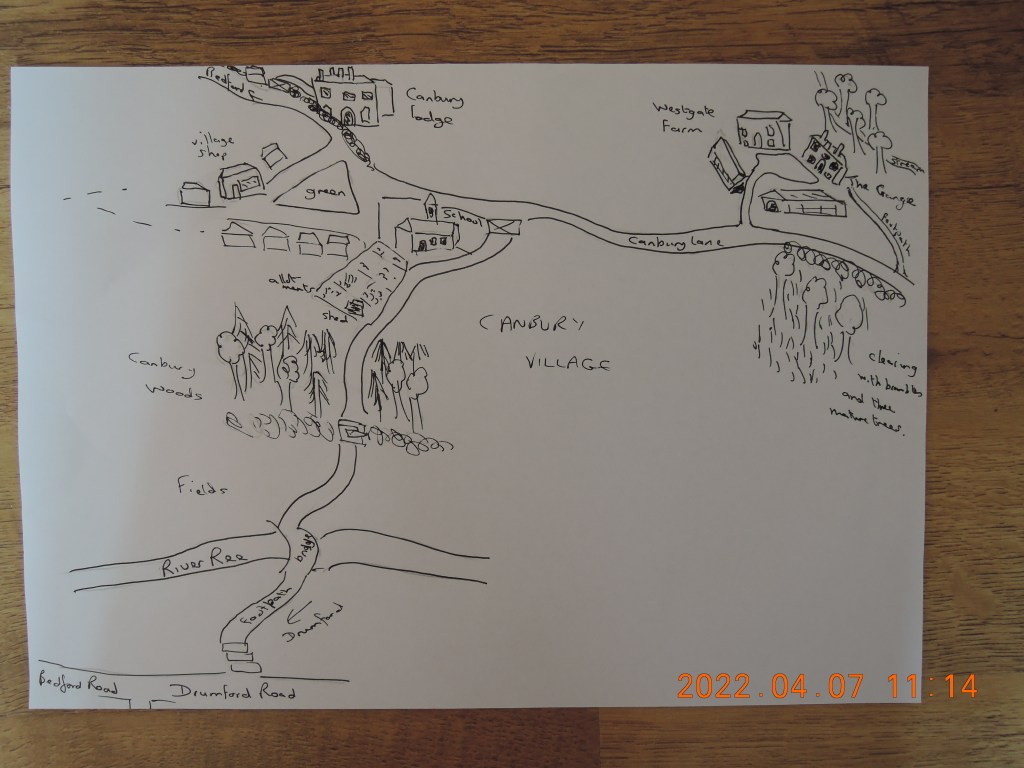
The walk from the town took Dot over the River Ree, through a spinney, past some allotments where Dot found a tumbledown shed open; a refuge on cooler nights. It was situated behind the school, an old fashioned Victorian building which had a main entrance out to the village green. It was here she went during her worst moments of despair to be surrounded by everyday life going on normally around her. Dot would wander long Canbury Lane, which ran through the village, and it was along the way that she discovered the solace of nature in a clearing where she slept out in the open on warm summer nights, staring up into the canopy of the three mature trees. Opposite was a tiny footpath and it was along here that she discovered the Grange, a haven where she tried to find herself once more.

Above is a rough map of Canbury in relation to Drumford.

The children of Canbury School had a great affection for Dot and called her ‘Lady Pink Hat’ and the little village shop looked out for her too, giving her food on their sell by date at the end of a day when they saw her pass by.

For Millie, in the ‘Past’ story, Canbury was her home as she trained to be a nun at the Grange, nearly two centuries before, but whereas for Dot it was a Godsend, for Millie it was more like a prison.

Did I find it difficult to write a novel in an imaginary place?

No, not at all. These places were as real in my head as Dot, Millie and the other characters who led my story forward.

Was it strange to link them to real places too?

Yet again no. I imagined Drumford as one of those communities affected by Beecham in the cut to the UK rail network; not deemed large enough to have its own station and yet a thriving and caring community nevertheless, much like many a market town in the UK. To get to Bedford there is a good bus service or of course the road.

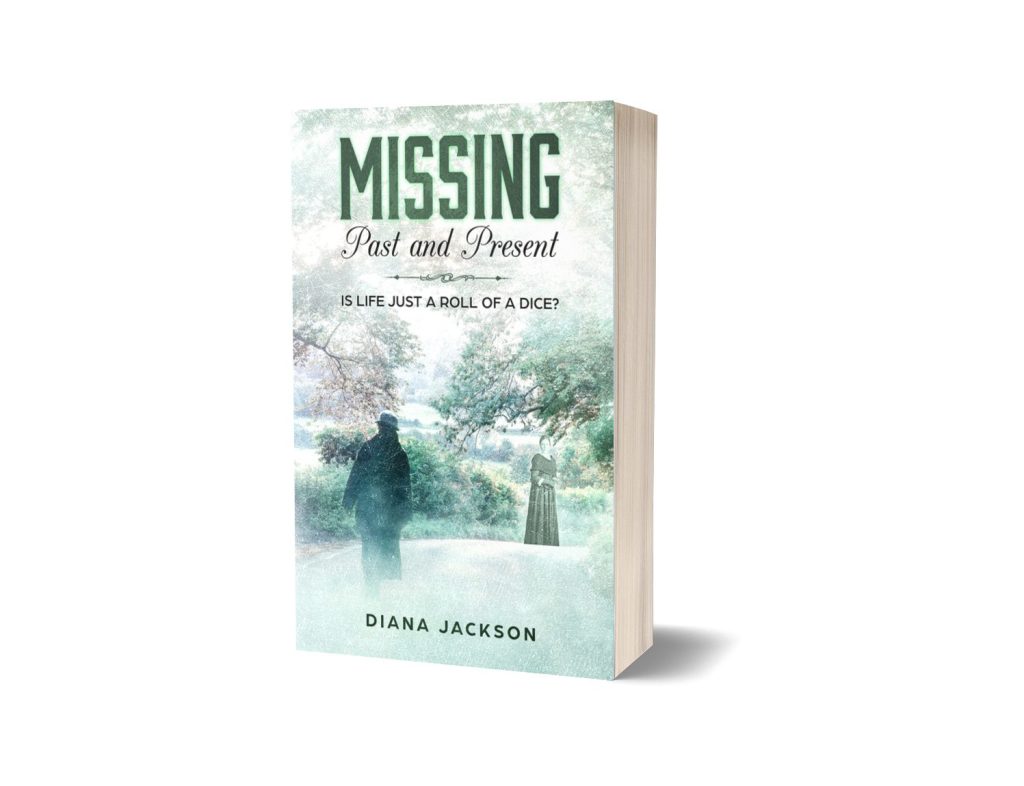
MISSING Past and Present, is available at Waterstones or on Amazon.

Leave a comment

Filed under Author Diana Jackson, Book reading, Historical Fiction, MISSING Past and Present, Mystery inspired by history series, Planning a novel