I was scrolling through my draft blog posts with the idea of deleting some of them when I came across this one on planning. Although it was first drafted in 2014 it is as pertinent today as it was then and interesting to see how my methods adapted and matured with each novel.
How do you plan a novel? Once you have your key inspiration what do you do next?
At our Ampthill Writers’ get together we were having a discussion about how we plan our writing ~ quite different for non-fiction or poetry. Here are some of the ideas put forward:
- Make notes of key events ~ beginning, most important happenings in the plot and how it is going to end
- a summary of the plot ~ writing a lengthy synopsis before you begin
- chapter by chapter outline
- An in depth getting to know your characters and let them lead the plot
I’m more prone to a mix of having an idea of key events and getting to know my characters – as one Facebook friend tried to explain to the other day, ‘I hear voices in my head. ~ ‘Oh dear,’ she added, ‘that makes me sound a bit mad!’ I have total empathy for her.
A poet among us reflected, ‘The difference between writing poetry and fiction, it seems to me, is that in poetry you write from the heart, but you authors seem to write fiction with your heads.’
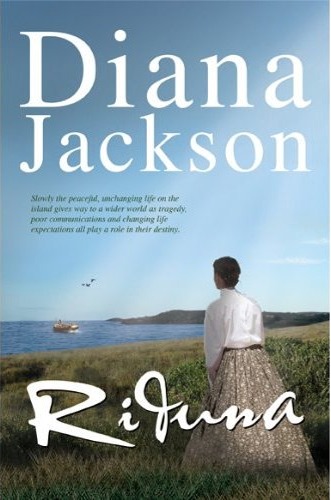
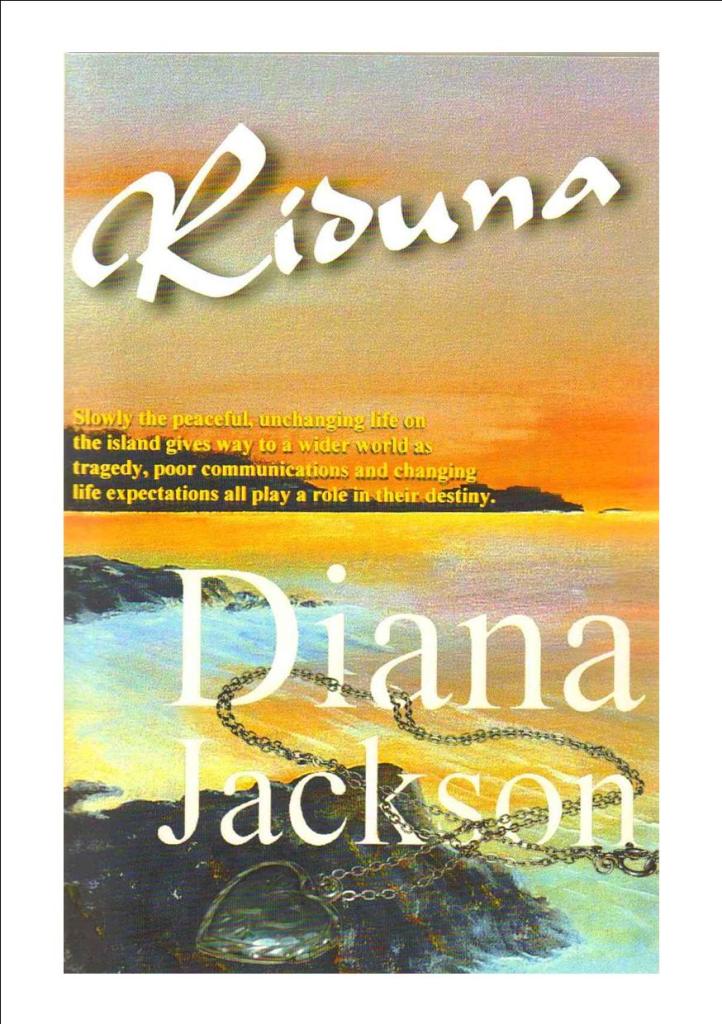
At first I disagreed. Certainly my first novel ‘Riduna’ was written straight from the heart, and I’m afraid to say those inner voices were talking to me all the time, especially my great great grandmother Harriet! They always are when I’m in full flow ~ and sometimes even when I’m not. One author remarked as to how frustrating it is to have inspiration in the shower!
After ‘Riduna’ was first published in 2009 and I continued to write, other factors came into play:
~ tips I’d learnt from the plethora of writing advice in magazines and on line
~ a greater awareness of the reader
~ the voices of those experts who helped me with my research
~in fact, the depth of research for ‘Ancasta ~Guide me Swiftly Home’ was a huge factor and sometimes whole chapters needed to be revised following new information being revealed to me
Then, after publishing ‘Ancasta’, I also reworked my original manuscript of ‘Riduna’, acting on advice I had been given and my own writing maturity.
So, how did I approach planning for ‘Murder, now and then’?
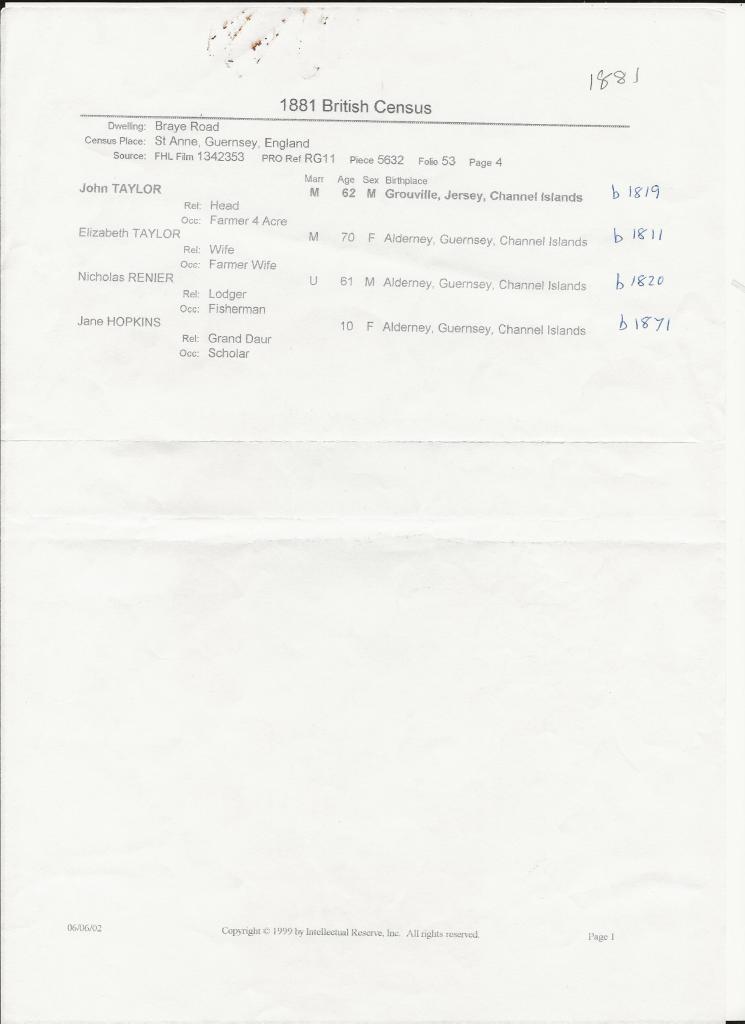
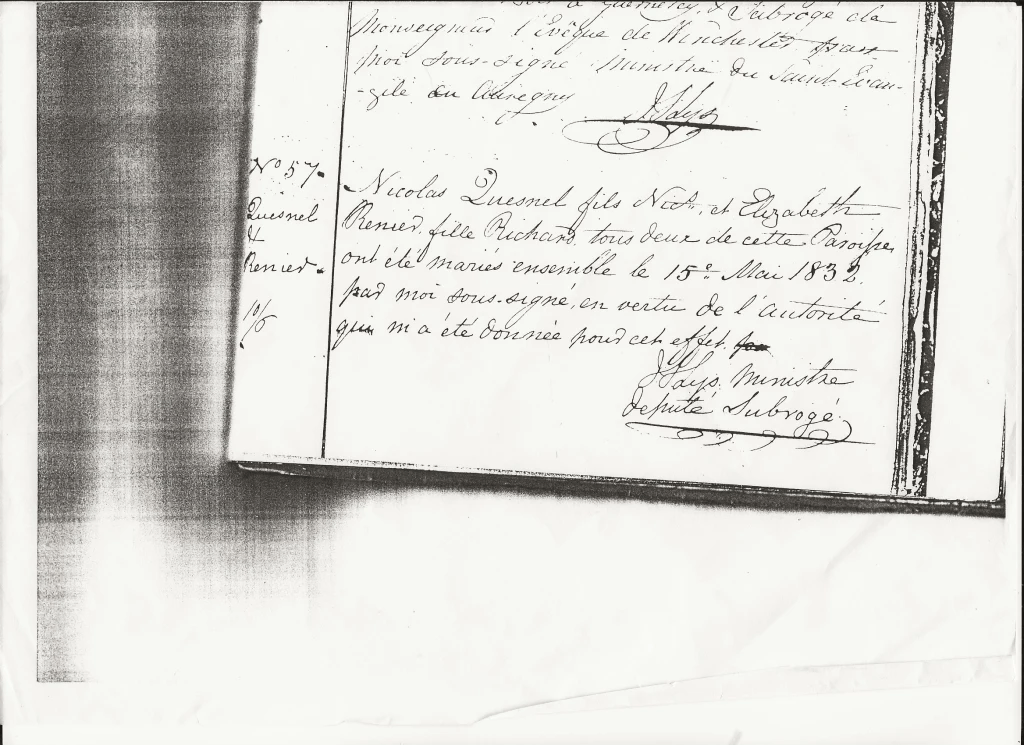
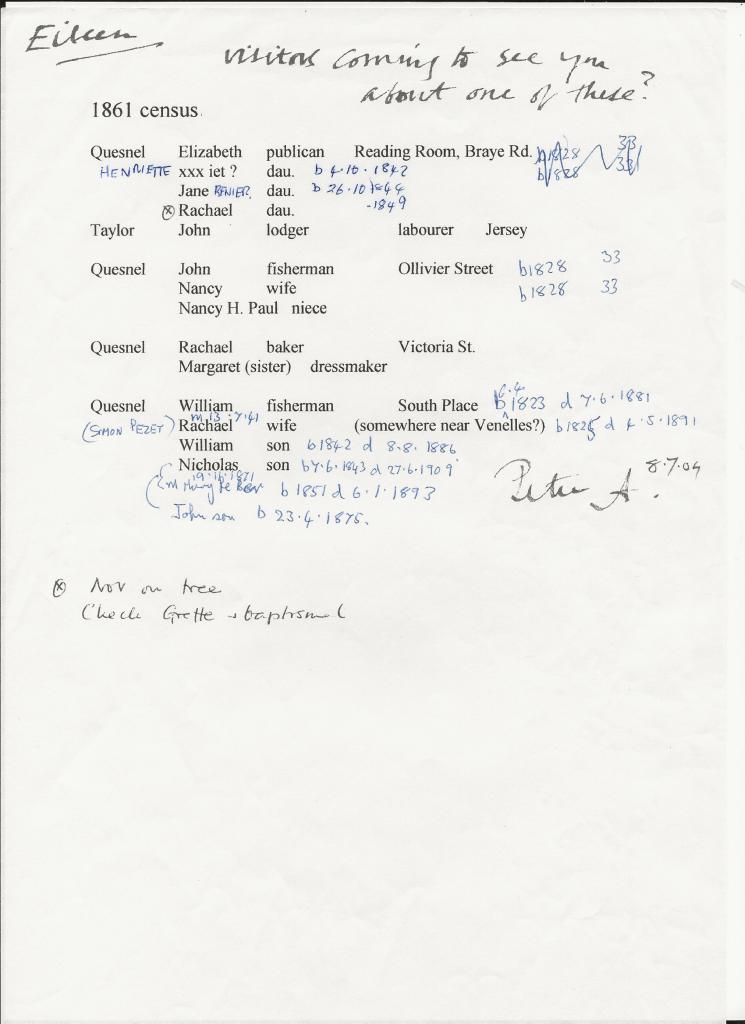
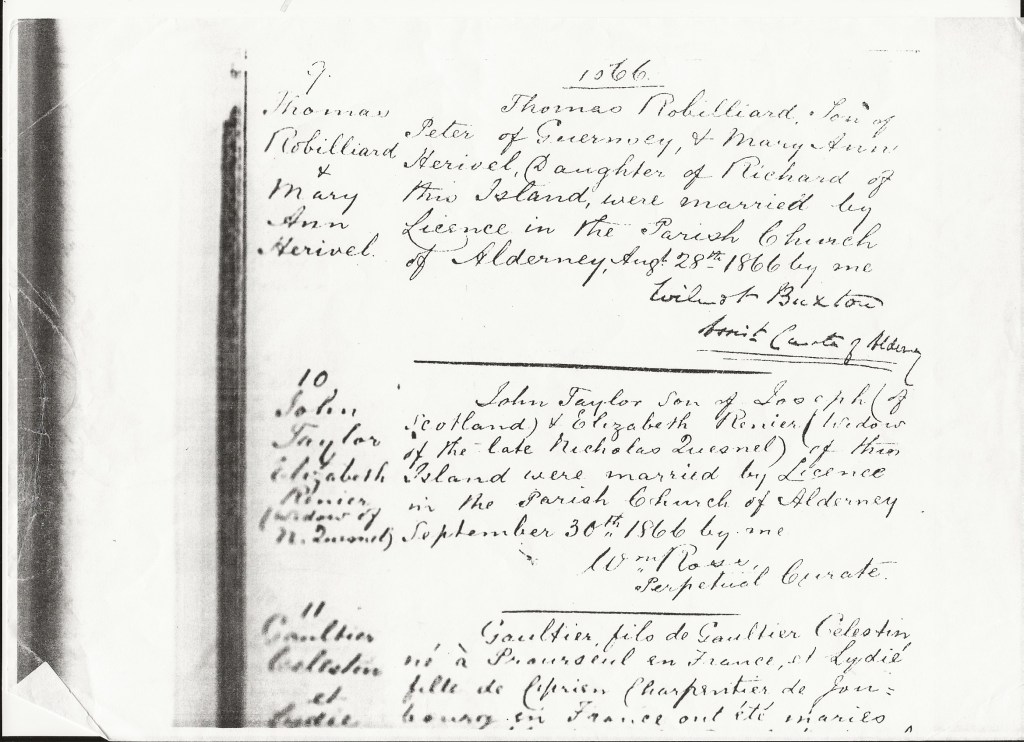
- Firstly I had my research notes from the internet and the Bedford and Jersey archives. This gave me a clear picture of the characters back in 1919, especially from descriptive newspaper cuttings.
- I also had a clear vision of the actual murder in 2019, which had run like a movie scene in my head as I drove around close to home. Three of the key characters were in this ‘vision’.
- Then I was given a lovely ‘save the rhino’ notepad and I snipped corners to find sections more easily. I used this for a brief outline ~ in chapters ~ characters ~ research in Jersey ~ research in Bedford ~ areas to follow up ~ marketing ideas (thinking ahead before I had even begun)
- My notes in each of these sections evolved and sometimes changed, rather than be formed in any linear fashion.
- I expanded on my outline in chapters as I began to write, so that I could keep track of events and a clear time line.
- If I had any large problems while I was writing, the resolution usually came to me overnight or when I was doing a mundane task like weeding the garden ~ not usually in the shower!
The main problem I had with point five above was in fact the time line. In the end, instead, I used a large two dimensional board with postits which I could move around with one axis ‘time’ and the other axis ‘key characters.’ This was the only way I could keep consistency and make sure all of the characters got to the right place when they were needed.
Even then, it was such a complex plot that I was fortunate to have a brilliant editor, who picked up any anomalies. Since he lived locally too, he even cycled along part of the route taken by one of my characters, just to check it was possible in the time given ~ now that’s dedication for you, and I am truly grateful!
Murder, now and then is available on Kindle and as a paperback from Amazon worldwide. Copies for bookshops or libraries can be bought through enquiries@eventispress.co.uk.
Unfortunately Eventispress does not consider it viable to go through the normal distribution channels in the UK, as they did with Riduna and Ancasta, because the costs are too high.

 Diana Jackson