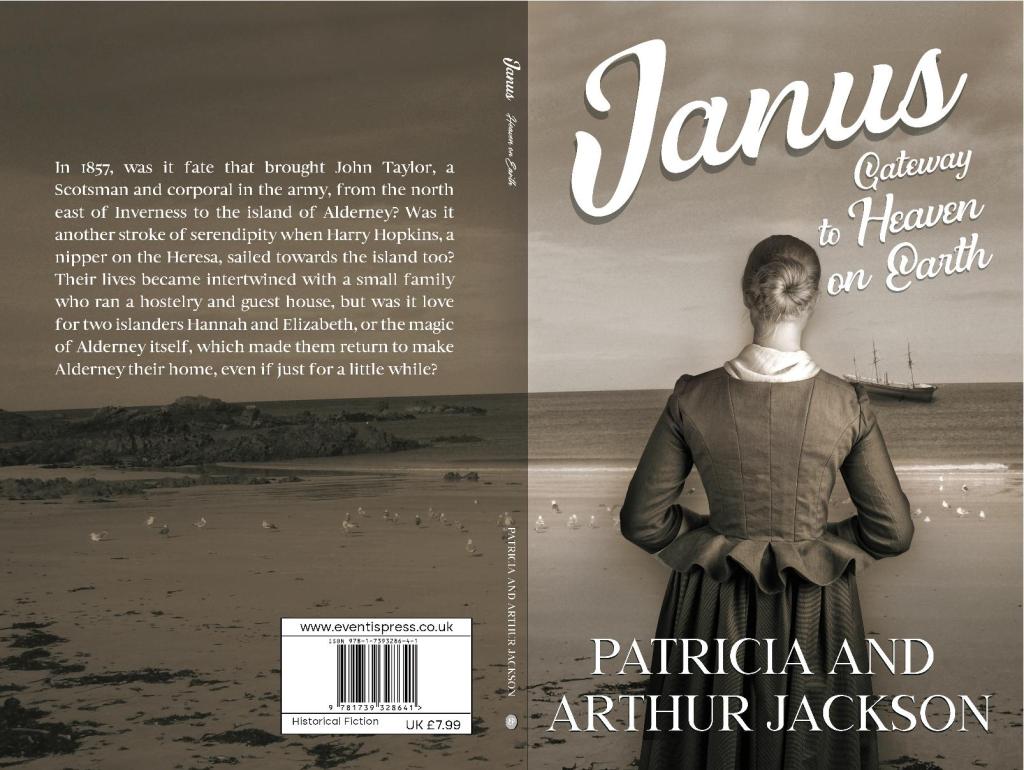
This summer I am releasing my parents’ novella, originally called ‘Heaven on Earth’ Since it is the prequel to my first novel Riduna, I have returned to the romantic mythological title, calling it Janus, who was the Roman gateway to heaven on Earth.
Here is my parents’ Forward, which explains the original inspiration for their story:
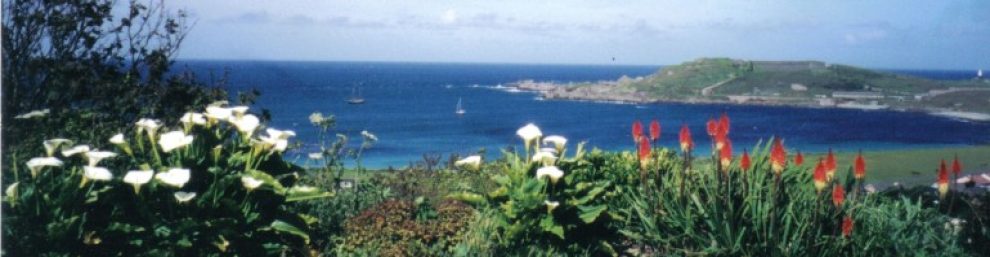
“THE ISLAND OF Alderney, the third largest in the Channel Island group, was our family’s favourite holiday destination.
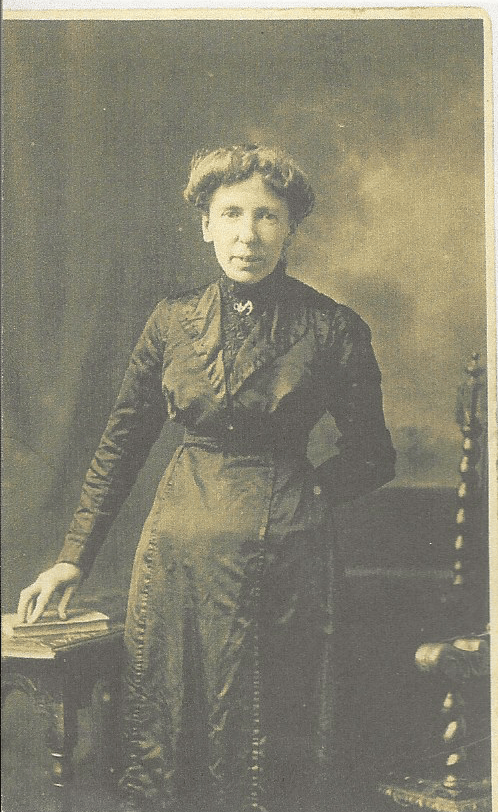
This is a story of life in Alderney, during the latter part of the 19th Century. It is about the members of our family who lived there. Our grandmother Harriet Hopkins was born on the island in 1871 and we now believe her family had lived there since 1600.
During our research we found a fairly extensive maritime record of Harriet’s father, Captain John Hopkins and that Harriet’s step-grandfather John Taylor, was a Scotsman who had been in the army. We decided to focus our tale on these two characters, although we changed the captain’s name to Harry to save confusion.
During the period covered in this story the island seems to have been a very happy place. Travel to the outside world was not easy and few of the Islanders ventured beyond the island shores. In contrast between that of the poor in London for example.
As for our grandmother’s life on Alderney we had very few facts. We discovered that Harriet’s grandparents were publicans from various census records and that they lived in ‘The Reading Rooms’ in Braye Road. Also, that John Taylor eventually married our great grandmother and farmed four acres.
With so little to go on this story is essentially fiction, constructed around available genealogical information. We have also adapted island customs, practices and folklore contained in island literature.“
Part 2: Why have I decided to publish my parents’ novella? to follow next week.
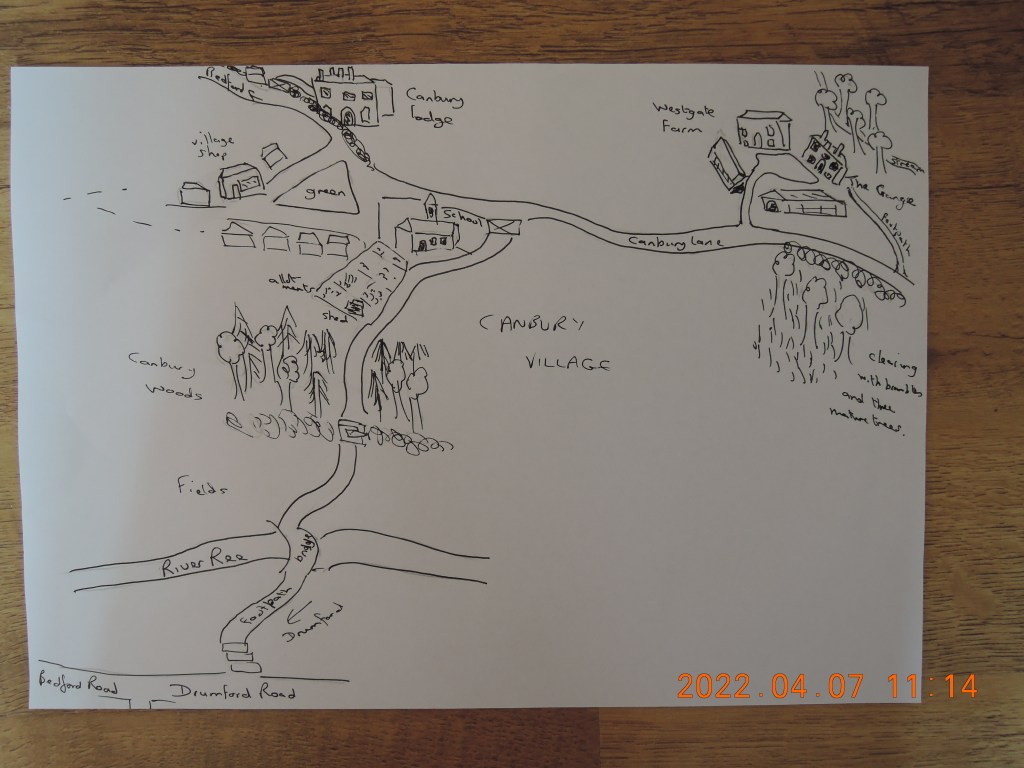
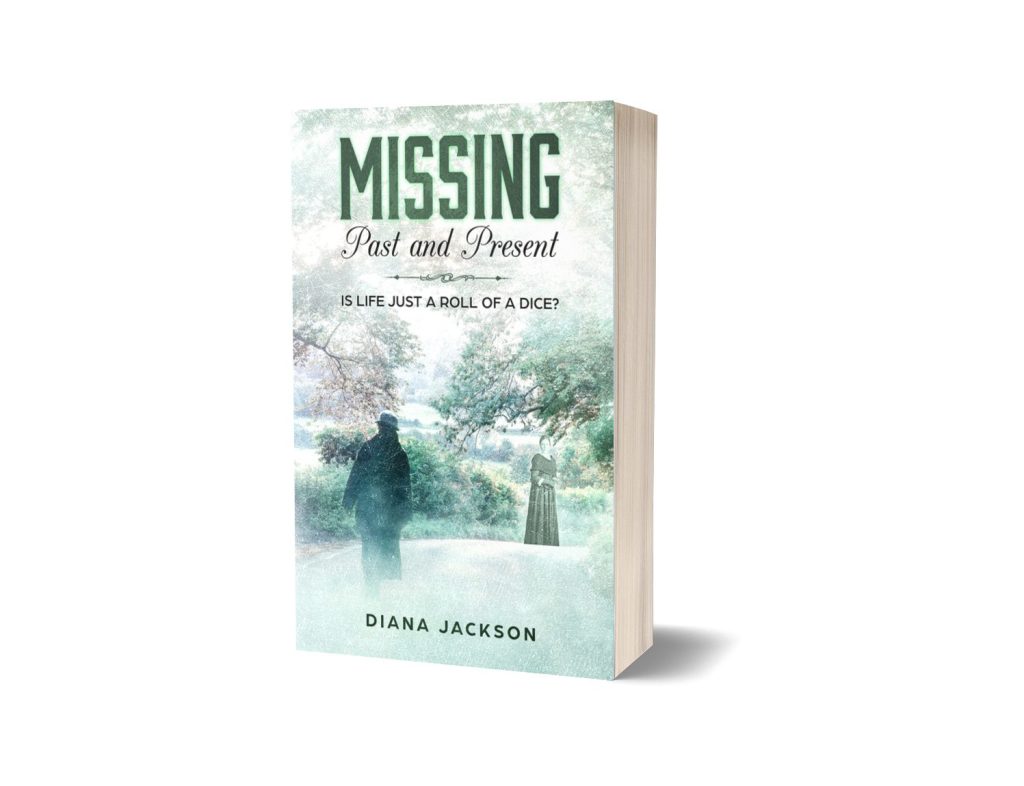
Canbury village featured a great deal in MISSING Past and Present, both in the ‘Present’ story of Dot, who wandered homeless around the lanes surrounding Canbury village, only two miles walk from Drumford town centre.
The walk from the town took Dot over the River Ree, through a spinney, past some allotments where Dot found a tumbledown shed open; a refuge on cooler nights. It was situated behind the school, an old fashioned Victorian building which had a main entrance out to the village green. It was here she went during her worst moments of despair to be surrounded by everyday life going on normally around her. Dot would wander long Canbury Lane, which ran through the village, and it was along the way that she discovered the solace of nature in a clearing where she slept out in the open on warm summer nights, staring up into the canopy of the three mature trees. Opposite was a tiny footpath and it was along here that she discovered the Grange, a haven where she tried to find herself once more.
Above is a rough map of Canbury in relation to Drumford.
The children of Canbury School had a great affection for Dot and called her ‘Lady Pink Hat’ and the little village shop looked out for her too, giving her food on their sell by date at the end of a day when they saw her pass by.
For Millie, in the ‘Past’ story, Canbury was her home as she trained to be a nun at the Grange, nearly two centuries before, but whereas for Dot it was a Godsend, for Millie it was more like a prison.
Did I find it difficult to write a novel in an imaginary place?
No, not at all. These places were as real in my head as Dot, Millie and the other characters who led my story forward.
Was it strange to link them to real places too?
Yet again no. I imagined Drumford as one of those communities affected by Beecham in the cut to the UK rail network; not deemed large enough to have its own station and yet a thriving and caring community nevertheless, much like many a market town in the UK. To get to Bedford there is a good bus service or of course the road.
 Diana Jackson