I’ve never written in the here and now. Always inspired by social history and the classics it was not a surprise that I chose the Victorian Age for Riduna. Writing its sequel in the Edwardian era and through the First World War has been an even more rewarding journey since I have reseached a period in history which I did not cover at school and have always wished to do so.
So how do you choose the time zone for your novel?
Did it just creep up on you?
Did you just happen to stumble on an ancient monument or something which intrigued you…. a newspaper article, tv programme, scene, …… and it set you thinking and on a new path of research?
Are you more comfortable writing in the present?
Have you always loved Sci Fi?
Is it costume dramas/ historical events or people from the past who make you tick?
Are you an expert in a certain period in history?
Most of you will say that’s obvious. We choose a time frame we are familiar with and we enjoy unleashing our imagination in that period, but does it have implications to the way we write?
- Time taken to complete a novel
If you choose ‘Chic Lit’ or Sci Fi, it is likely that most of the story will flow from your over active brain. You could write a novel in a few months and have it sent to the publishers within six. It could be the next best seller and could certainly earn you a living if it’s good enough. Am I right?
Whereas, if you write in a period in history which is less familiar to you then the time taken to research may be a year or more before you even start to put pen to paper to weave your fiction. Setting, background, language, events, facts; they all have to be checked.
- Is it a period in history which few have chosen?
Recently several authors have set their work in the time of the Romans. This is particulary pertinent here in England and in much of Europe, where Roman remains abound and it’s not hard to imagine the invaders making their mark say when walking through Verulamium in St Albans or in Northumberland at Hadrian’s Wall. Unless of course you are Italians in which you are also especially proud of your country’s past influence in the world.
Are there any periods in history not covered by authors of the present and past?
- Is it a period in history well covered?
The World Wars have already inspired copious successful novels and biographies and yet there is always an interest in them and there is certainly always a new angle, or a less familiar story to tell? Maybe this is because the majority of us have a father, grandfather, grandmother or great grandfather who played their part in some way and we are fascinataed by family history. It is still of course in living memory for many and we are approaching the centenary or World War 1. What better time than now to remember?
This phrase is well used in expressing what a publisher is looking for. Why? Because that’s where the market is. Readers don’t always want to read unusual, obscure books, however well written. They read a novel they enjoy and immediately look for something similar and if there’s nothing more written by that particular author then they will search for other similar authors. It’s a bit like chocolate. Once a Cadburies chocolate lover then other chocolate is fine, but there’s nothing like the treat of even a small bar of Dairy Milk!
A publisher, so we’re told, is looking for a book which has potential to grow into a series, whether it’s a sequel or totally different stories, it doesn’t matter. For this reason the choice of time, characters and location all needs carefully thinking through and planning before we start.
Can we afford the luxury of just writing for our own enjoyment and ignoring these issues, or do we need to begin to be less precious and more street wise when gaining inspiration for our novels?
The title of this this blog has a double meaning too, because it also reminds me of one of my favourite songs from the Zombies.
Our novels needs to be memorable too.
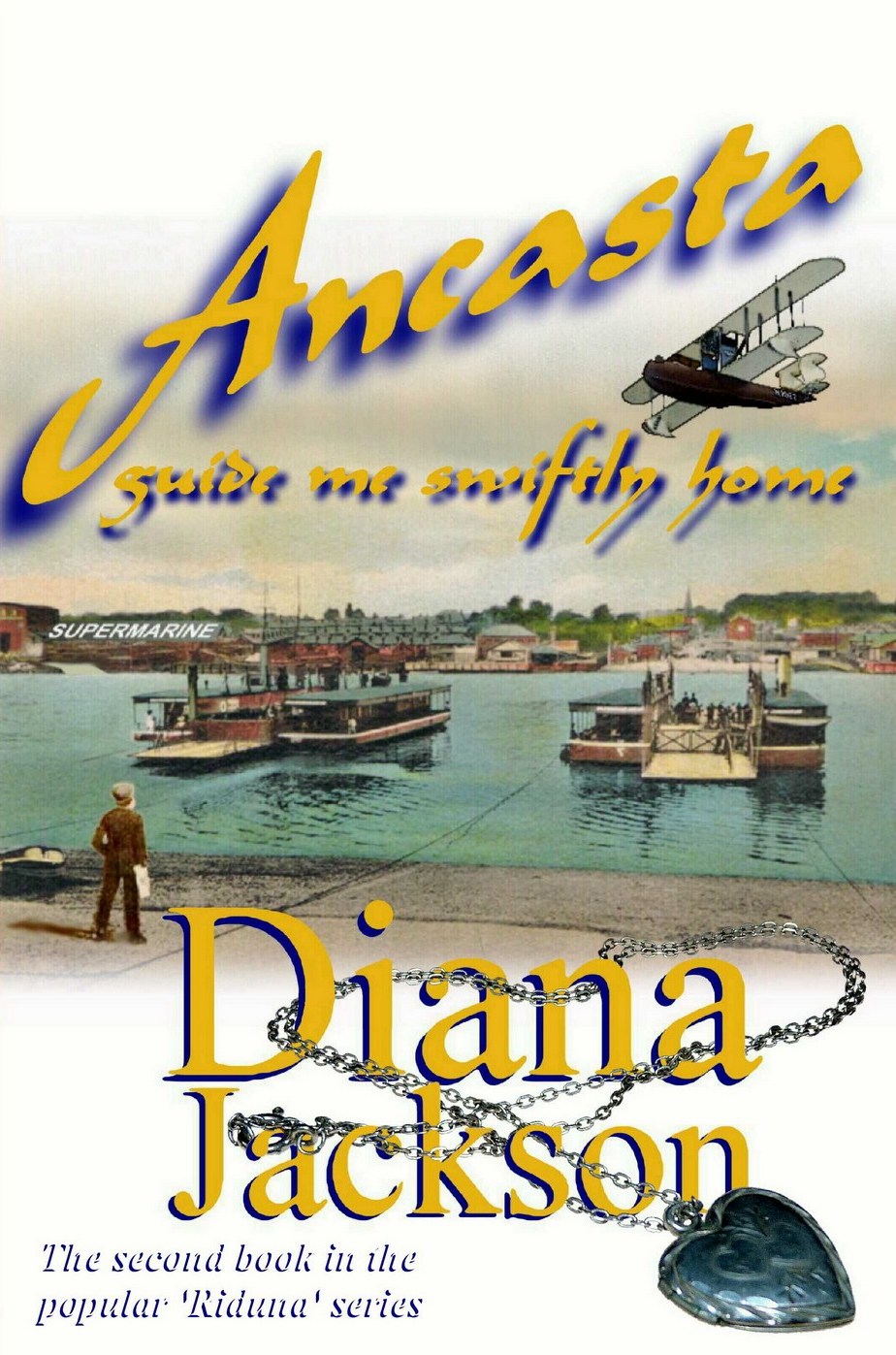 The second in the Riduna Series will be launched this Saturday 7th July 2012!
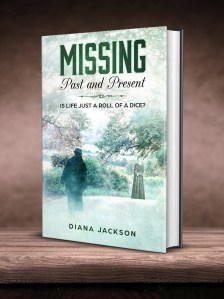
 Diana Jackson