In May 1912, one hundred years ago, The Royal Flying Corps was born, serving both the army and navy of the day. It took a while for the military to take these new air machines seriously, known as aeroplanes by that time. Up until then many in the military would not consider the potential of this relatively new, and still flimsy, mode of transport. They were looked upon as frivolous toys for the rich and famous, who had too much time and money on their hands to fritter away for pleasure and thrills. To put this in perspective, it was only nine years since the Wright Brothers’ first powered flight. Pretty amazing!
It became impossible to ignore the increasing skills of the pilots of the day, as exciting feats in aerial acrobatics hit the press. You can read in more detail on the following link, about the first pilot, a Frenchman called Adolphe Pegoud who, in 1912, performed a ‘loop the loop’ and also flew upside down, much to the astonishment of all who witnessed the act.
History of Aviation by James Watkins
A detailed history of the conception of the Royal Flying Corps can be found on many blogs and also Wikipedea , but what interests me is the affect it had on the area of my research; in Hampshire, Southampton Water and the Solent.
Firstly, The Royal Flying Corps’ 1st squadron were based at Farnborough in Hampshire, originally famous for its Air Balloon factory.
Secondly, in my last blog I talked about The Naval Review in 1912 and the first flight off a moving ship. The annual Naval Review, a red letter event in the calender of Portsmouth and the surrounding area, would no longer be a time when the prowess of the naval fleet took all the limelight, since now the flying power of the navy began to steal the show.
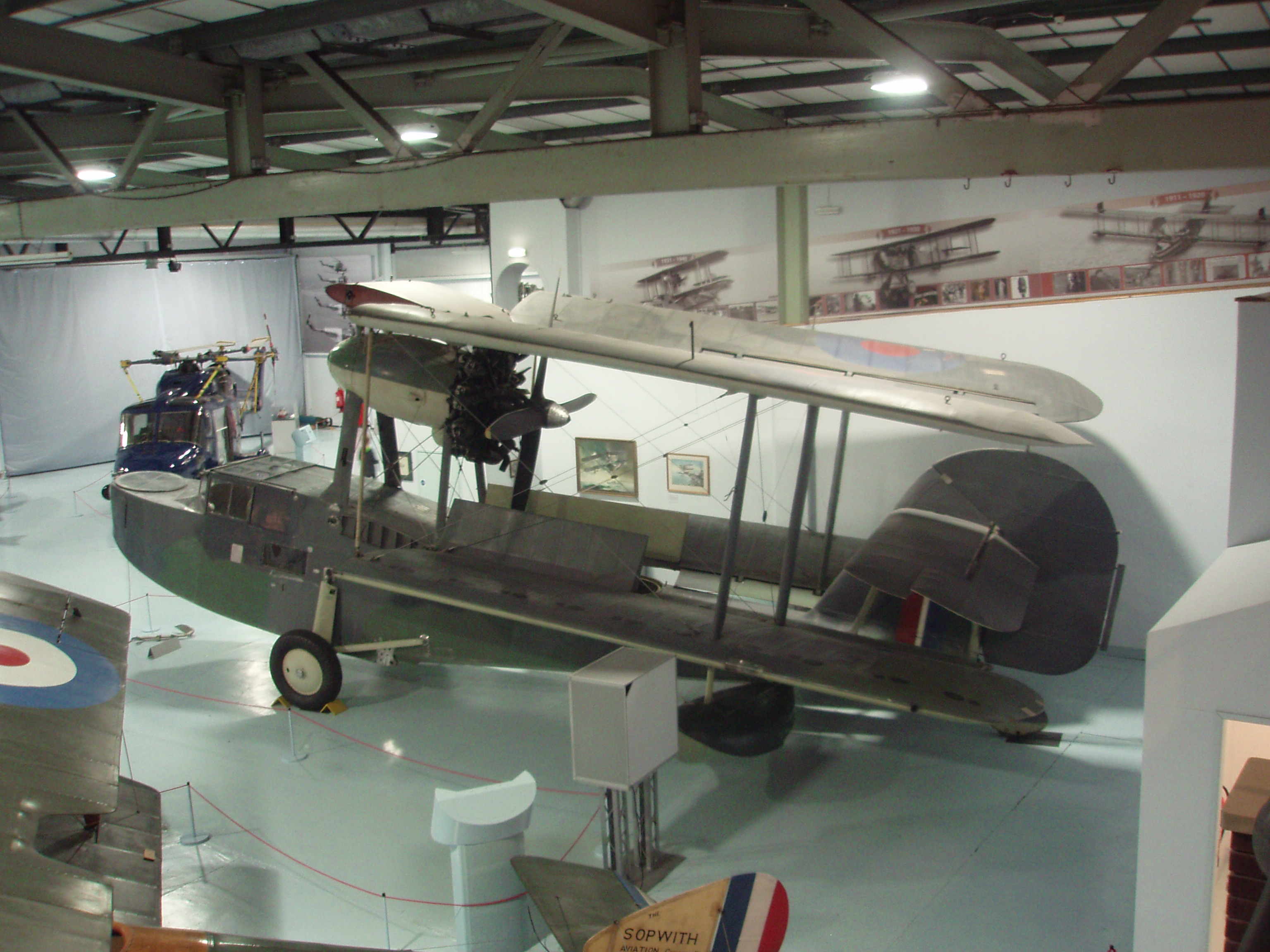
The first waterplane to take off in the UK was in November 1911 from Lake Windermere, Cumbria, and so it was not surprising that the Solent area was just a few months behind when in 1912 that the first “Waterplane“took off from Hamble, Hampshire, sponsored by the Daily Mail.
Aeroplane factories were springing up all over the country, especially with the endorsement of the military, and the shed, which was built in order to assemble and house the waterplane at Hamble Point, beside the Hamble River, where the aircraft made a successful test flight in early July 1912, was Luke and Co Ltd and Hamble Engineering.
The Solent area was certainly a key military location for the UK. It was on the coast for patrols and cross channel flights and was a significant strategic area for the army, with the Victorian Palmerstone Fortresses guarding this part of the coastline. Then, of course, there was Portsmouth, the long established naval base.
This was truly an exciting period in the history of this region, and more is yet to come.


 Diana Jackson