
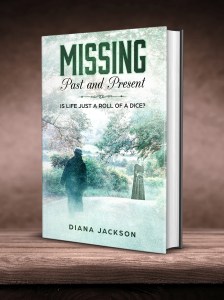
In order to carry out the research for the third book in my Riduna Series, I needed to search out my old research notes carried out over 15 years ago. Research for my second novel, set in WW1 mainly in the Southampton area and The Channel Islands, was substantial, and continued way past the end of the book.
When I found the correct box, what astounded me was to discover that I did everything by hand first in those days. I thought you might like to go down memory lane with me too.
Examples of research pages:
It is imperative with historical fiction to carry out a substantial amount of research, and this takes me longer than writing the novel. I always scribble down copious notes but always include the source and author, if there is one. I researched from books, magazines, museum displays, newspaper articles, and of course talking to people …..


My trusty notebooks:

A Brief Chapter Outline:

For my murder mystery, MURDER Now and Then, I used post its for a time line too, to keep track of all the threads and to make sure they all came together at the end.
Chapters and Introduction of Characters:

Family Tree of Characters:

Here is an example page of my very rough first draft:

After that, I remember typing each chapter up before proof reading it a second time;
one of many.
Phew!
I was looking into using Scrivener the other day, which is supposed to organise all this for you on your PC. I have tried it once before, but this time I spent a day trying to get my head around it and decided I am a bit set in my ways. I’ll stick to using MS Word I think.
What do you think?
Leave a Reply