Tag Archives: Supermarine

To The Bitterne Heritage Centre BLHS ~ Many thanks

hert2.JPG - 45792 Bytes

Anyone who is interested in local history of the area near Southampton, north of the River Itchen including Bitterne and Woolston, would enjoy popping into the Bitterne Heritage Centre on Peartree Avenue. There are all sorts of artifacts donated by local people which they sometimes loan to schools in the area, but it is also a treasure chest of books and resources including old maps.

On three occasions I browsed though various books, giving myself a flavour of life in Woolston in the early part of the last century, under the guidance of Martyn Basford, who was more than willing to halt his task of classifying and cataloguing items, in order to discuss at length a query I had, or direct me to somewhere where I might find the answer. Areas of research included Supermarine, the history of Southampton and Woolston, the Floating Bridge, local businesses and shops, in fact anything which would add authenticity and colour to the lives of Harriet’s imaginary family who lived in Woolston between 1910 and 1920.

It was Martyn who suggested that I should ask for Colin van Geffen, ‘a local historian and expert in the Schneider Trophy’ when I was on my way to Solent Sky.

More recently I cannot thank him enough for planning the actual launch of my novel

Ancasta ~Guide me Swiftly Home

on 7th July

I sent Martyn an e mail saying that I felt it important to celebrate the event in or near Woolston itself and asked for suggestions. I didn’t hear from him for over a week, but didn’t worry because it was Jubilee weekend and everyone was busy, one way or another.

I was so surprised and grateful to receive his email later on saying that he’d planned the morning for me.

At each of the following venues I will give a short talk for ten to fifteen minutes and then have time to sign books for anyone who would like one:

10am Woolston Library

11am Bitterne Heritage Centre

12 noon Bitterne Library

What a wonderful morning Martyn has planned for me and I cannot thank him enough! If you are anywhere in the neighbourhood then pop by and say hello. They also have a bookshop and charity shop a few doors away from the Bitterne Centre which is worth a visit too, and you can find details on their web-site:
BLHS HERITAGE CENTRE 

Leave a comment

Filed under Book Shops, Flying Boats and Sea Planes, Research, Supermarine, Woolston

Colin van Geffen – Local Historian and Artist

This is the first in a series of blogs to acknowledge the many people who have given me support and encouragement during the research and draft stage of my novel Ancasta – Guide me Swiftly Home.

Colin van Geffen

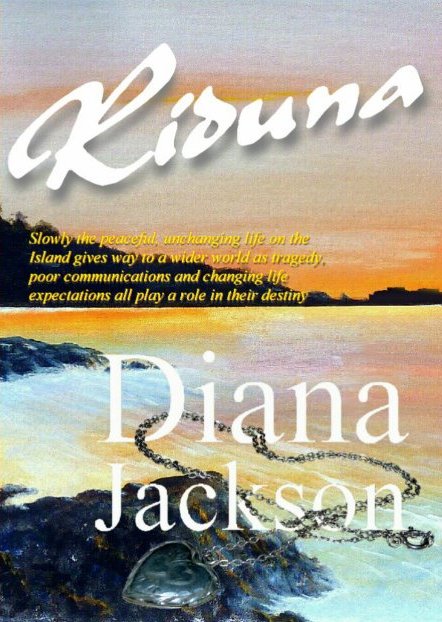
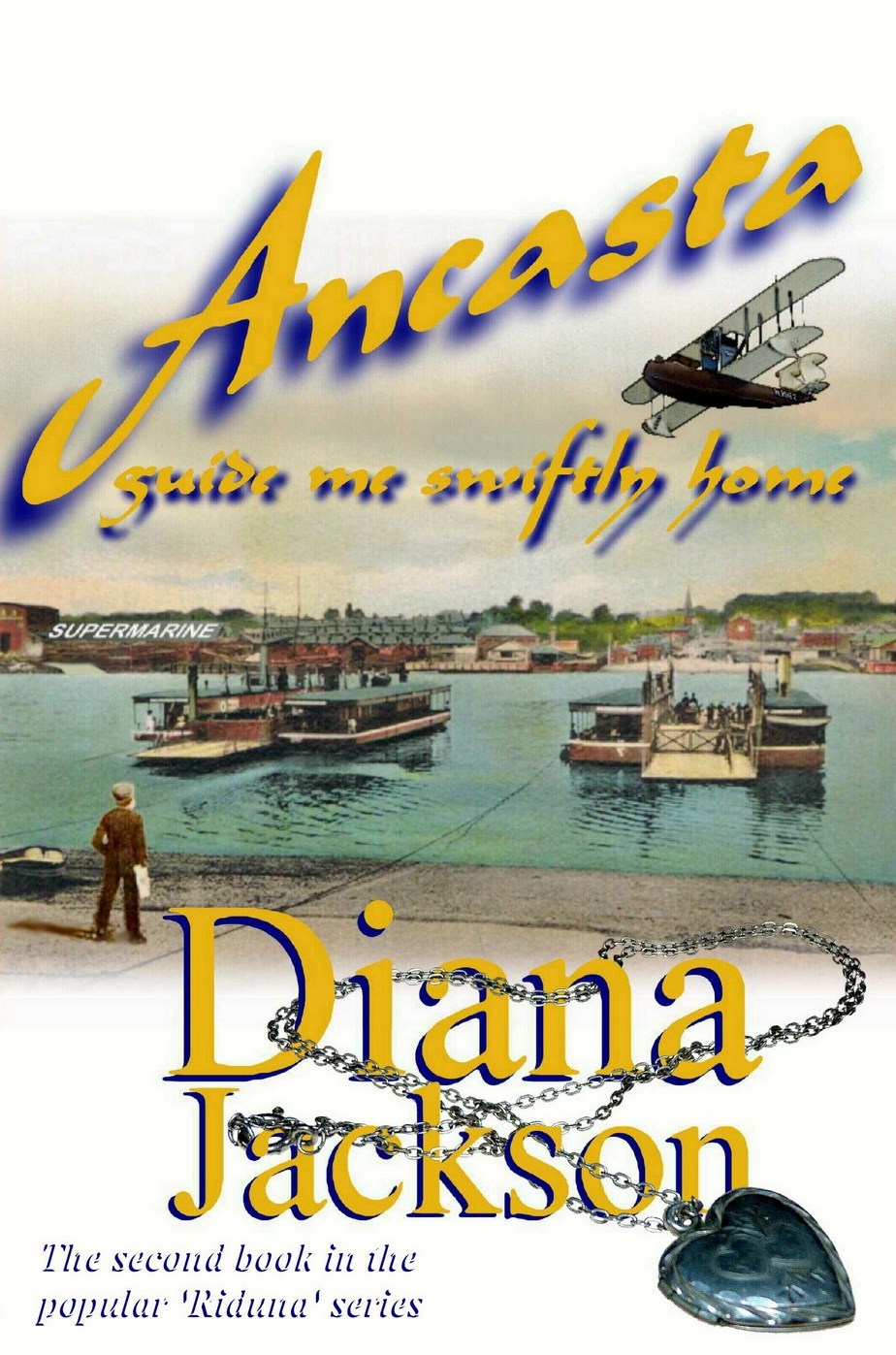
I have a great deal to thank Colin van Geffen for. Firstly he gave me a great deal of support during my research into the history of Woolston, Southampton, in particular the history of the early development of aircraft manufacturing in the local region.  I was soon aware that he was also an artist who delighted in aviation and local seascapes and so it was a natural step to ask Colin if he would like to design the cover for my novel, which he was pleased to agree to. In fact he has painted an acrylic for a second edition of Riduna too, which will be out at the same time.

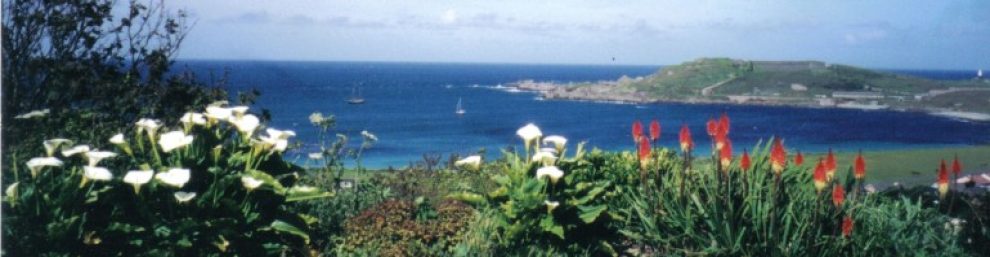
Here are the two new covers, first for Riduna, showing the wild and rugged coast of Alderney as Harriet would have seen it, from her home in Platte Saline, looking out towards Fort Clonque.

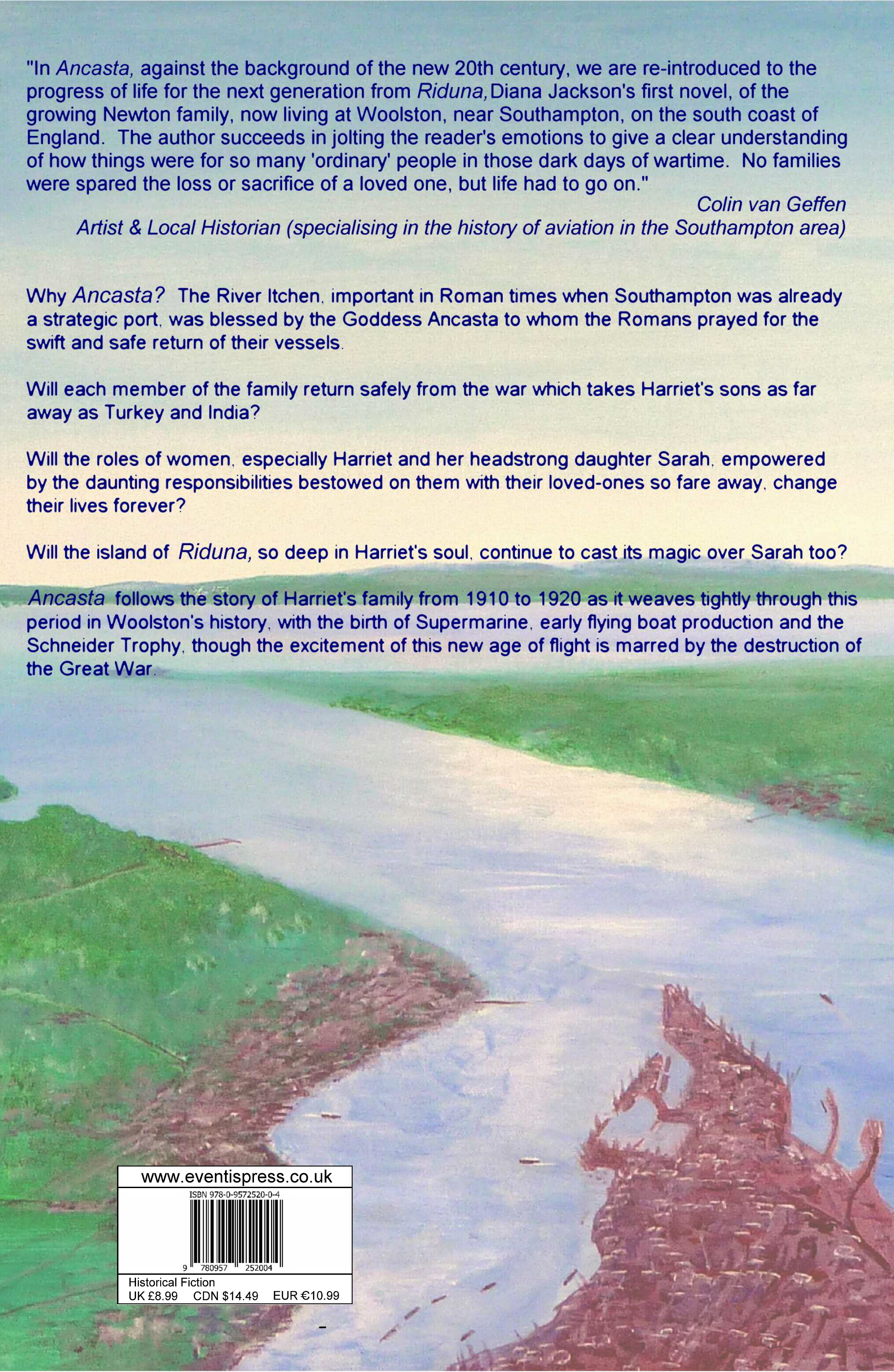
Here is the front cover for Ancasta, of the familiar floating bridge over the River Itchen towards Woolston and the Supermarine Works from Southampton.

The back cover is in fact a watercolour looking down from an aircraft out towards the docks, Southampton Water, Hythe and Calshot. As I explained in my last blog, Ancasta was the Goddess of the River Itchen, from which my novel flows to The Channel Islands and the world beyond.

If you have been reading my recent blogs, you will be aware that ‘Ancasta’ my second novel  and the next in The Riduna Series, has a theme running through it reflecting the early years of  flying boats, mainly at Woolston Southampton. The story itself is romantic, historical fiction, but my aim was to be as realistic as possible as to the lives my family might lead, living in Woolston Southampton from 1910, as we left them at the end of Riduna.

It was in my early days of research for the novel, on my second visit to Solent Sky the air museum in Southampton, that it was suggested I ask to speak to local historian who specialises in giving talks about the development of flying boats, in particular The Schneider Trophy, Colin van Geffen.

It was immediately apparent that Colin was not only knowledgeable, had a sense of humour, but he also needed to be reassured that my interest was genuine, and so he stopped me mid sentence with a question,

‘And so what is the difference between a flying boat and a sea plane Diana?’

‘Well,’ I hesitated, realising that my credibility might hang on my answer, ‘I believe a flying boat is a boat with a hull that can fly, whereas a sea plane is an aircraft that has floats so that it can float on water.’

I smiled nervously, with my fingers crossed that I had passed the test, but not leaving it at that Colin pointed to a photo behind my head and asked,

‘So what is that?’

‘It’s a Supermarine flying boat,’ I replied confidently.

From then on Colin was always there to answer my questions, check my facts, read through my manuscript for inconsistencies or factual errors regarding local history and more recently to design my book covers.

I am grateful to Colin for all of his support, patience and encouragement along the way!

If you would like to see more of his varied work then visit his website:

Colin van Geffen

Leave a comment

Filed under Alderney, Ancasta, Early Flight, Flying Boats and Sea Planes, Research, Riduna, Woolston

May 1912 Amazing Flying Facts

On our way home from Cornwall I was enthusiastic to visit the Fleet Air Arm Museum at RNAS Yeovilton in Somerset. As I explained in my talk last Monday, I never imagined I’d become a ‘flying boat’ anorak, but I was so excited to see models of the first ever aircraft carriers during World War One.

Did you know that the first pilot in the world to take off from a moving ship was in May 1912, which is why this post is scheduled to go out a day later than usual?

Forget about the jets which zoom of aircraft carriers today, (if we had any,) and try to imagine the flimsy air machines from back in those days. Yes, it was an amazing feat of daring on the part of the pilot and advanced engineering skills on the part of the designer, don’t  you think?

Commander Samson flew a Short pusher amphibian bi plane, that’s one that floats on the water as well as fly to the uninitiated, from the battleship HMS Hibernia just off the coast of Portland, Dorset. This happened during the Naval Review in May 1912 and must have been quite a spectacular sight to all who witnessed the event. In fact, so impressed was King George V that Commander Sampson dined with him on board his royal yacht the Victoria and Albert.

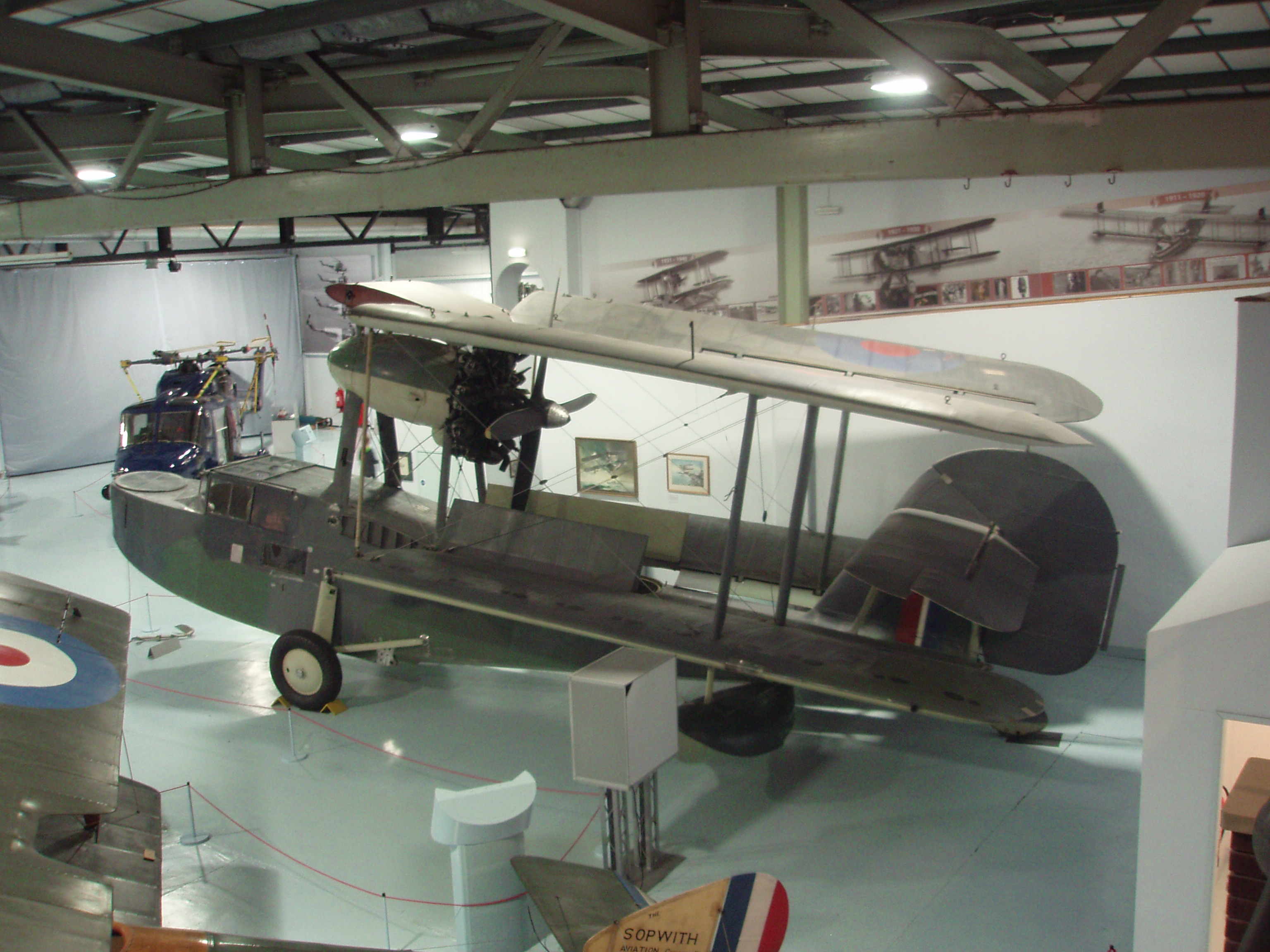
Returning to the museum, I was also pleased to see the Supermarine Walrus, restored to its original glory, though I’m not sure whether it is airworthy. Does anyone know? This was designed by the famous RJ Mitchel, who, of course, designed the Spitfire and it was built in 1939 in Woolston, Southampton.  


Leave a comment

Filed under Early Flight, Flying Boats and Sea Planes, Frivolous Flying Facts, Supermarine