First of all I’d like to say thank you to everyone who has supported me this year, both the familiar and new faces. I really appreciate it and I’ve gained so much pleasure from meeting and talking to so many people.
I’ve been out ‘on the road’ frequently since March this year and as a relatively unknown author I have to admit that my emotions have gone sky high with the successes but plummeted with the occasional less than successful events and it made me think.
Is it worth the energy, time and of course money spent in organising events?
Are there any hidden benefits?
Here are my thoughts:
1. Attendance at author talks ~I have had audiences from 5 up to 80 but usually somewhere in between. The high turn-out does tend to be with organisations which have regular meetings and you are on their ‘guest speaker’ list. The buzz from a large audience is electric and if you enjoy reaching out to people in this way, my advice would be to advertise it on your website, (which I haven’t yet) and try to get on lists, probably at the local library (if you’re lucky enough to still have one!) There’s a joy in being asked rather than touting for business too. It means that your name has been referred by another group or reader. Great news!
At one venue the organiser quoted another author,
‘I won’t agree to come unless there’s an audience of at least 100.’
What do you think of such a reaction?
Hidden benefits ~
- Publicity, posters which reach a far wider audience
- word of mouth
- positive contacts with the organisers increasing your credibility and reach as an author
- building your ‘platform’
Downside ~ planning a talk takes time, travelling costs (ask if you are entitled to travel costs on top of your fee before the event)
2. Book-signings at Bookshops ~ Always a pleasure to me. (apart from one occasion when the timing and inclement weather led to a disappointing turn out) You are more likely have a favourable response if you are local, the content is set in the locality of the bookstore, you have been on the local radio or in the newspaper.
If you have a book launch in a book shop then the store will benefit from visits from family, neighbours, colleagues and friends but if not, what is the good of only selling maybe ten to twenty books?
You are meeting new readers, engaging with them in conversation which does not always lead to a sale but is rewarding nevertheless.
Hidden benefits:
- As above publicity, posters but you are also making links with the people who matter.
- If you sell well then the manager is likely to think favourably about selling your novels in future….which is harder than ever for an independent. Waterstones, for example, used to sell books from local authors and often had a section for them. Policies have changed and the decision of approval for stocking books happens through a central buyer.
- Thus you are generating goodwill through your efforts and that must be good!
- Reaching out to a totally fresh audience.
Downside ~ travel costs and time taken, especially when travelling distances and you must balance this with the need for Amazon reviews and this is a balancing act I’m not very good at.
3. Marketing Outside the Box (click on link for previous post)
Fetes, shows, stalls ~ all of these options are lots of fun and you may find, like myself, that you are reaching out more specifically to your target audience that way. For example I hope to have a stall at The Wrest Park, World War One event next year. It ticks lots of boxes for me:
- It’s local
- My novel ‘Ancasta Guide me Swiftly Home’ tells a quite different story of WW1
- My murder mystery, out soon, mentions Wrest Park and is set in the locality, partly at the end of WW1 and for the most part in the future
Hidden Benefits: Other benefits could be
- At a village fete you might reach more of your neighbours than before and maybe give a donation to a local charity or church too
- At an arts and craft fair your book may just be that Christmas gift that someone was looking for, signed to an individual by the author no less!
- You can hand out publicity or mention future projects too
I’m sure you can add many more ideas and benefits. You certainly need to handle your expectations carefully, but maybe, with a lot of time, good will and effort, one day you will have that queue waiting outside the store before you begin. Well, you can dream! There’s no harm in that, is there?
Let me know what you think and any ideas you have.
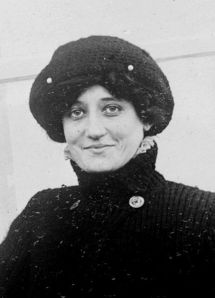 To add to my recent posts about early female aviators I must mention this French lady:
 Diana Jackson