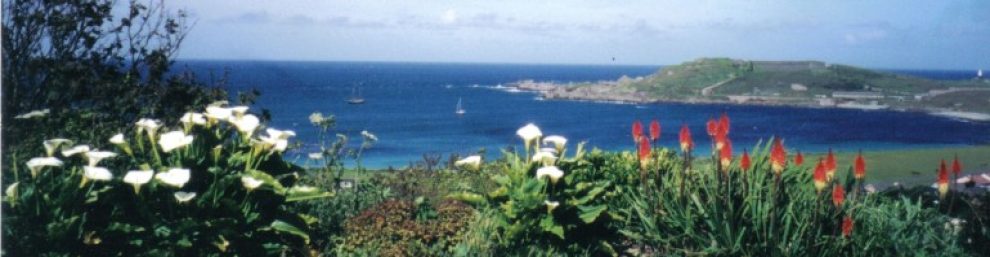
Category Archives: Alderney

Planning a novel – a personal experience

When I began to think of writing a novel I knew little of the plethora of advice out there for aspiring authors. I was not aware of websites, forums or magazines for writers. I knew there were creative writing course and I taught how to plan stories at work, but never considered attending a course or a conference. Maybe they were already in existence, but for me writing was an individual art. I felt alone with my pen and paper. I wrote long hand and typed it up later on my laptop. I was only allowed a laptop, unusual in those days, but I could hide it away when it was not in use, so that it didn’t offend or take up space in our small maisonette.

 I did however enrol with ‘The Writer’s Bureaux’ but unfortunately had little spare time of my own to follow the course to its end. Nevertheless I found the box of useful tools invaluable.

How did I begin planning?

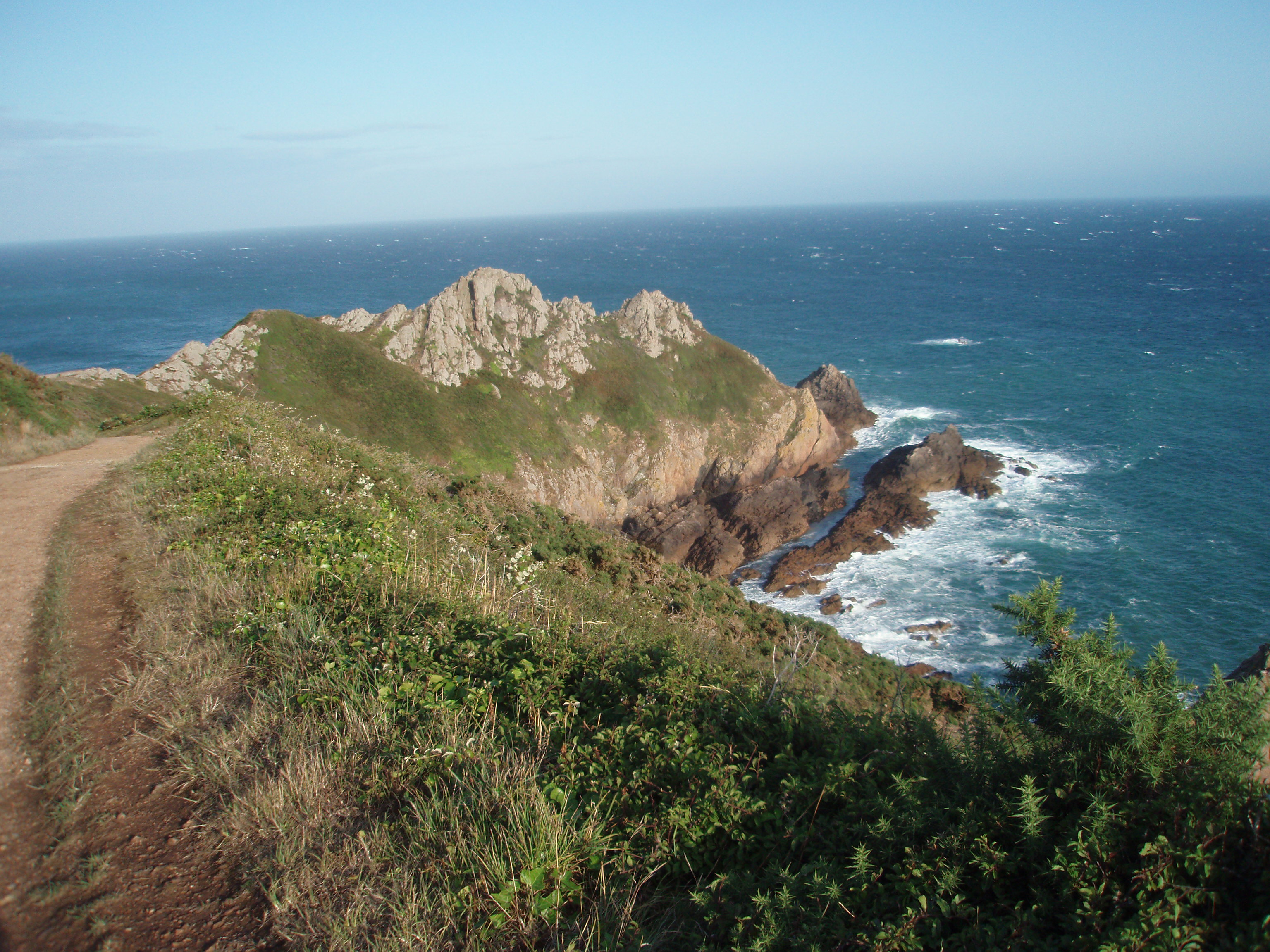
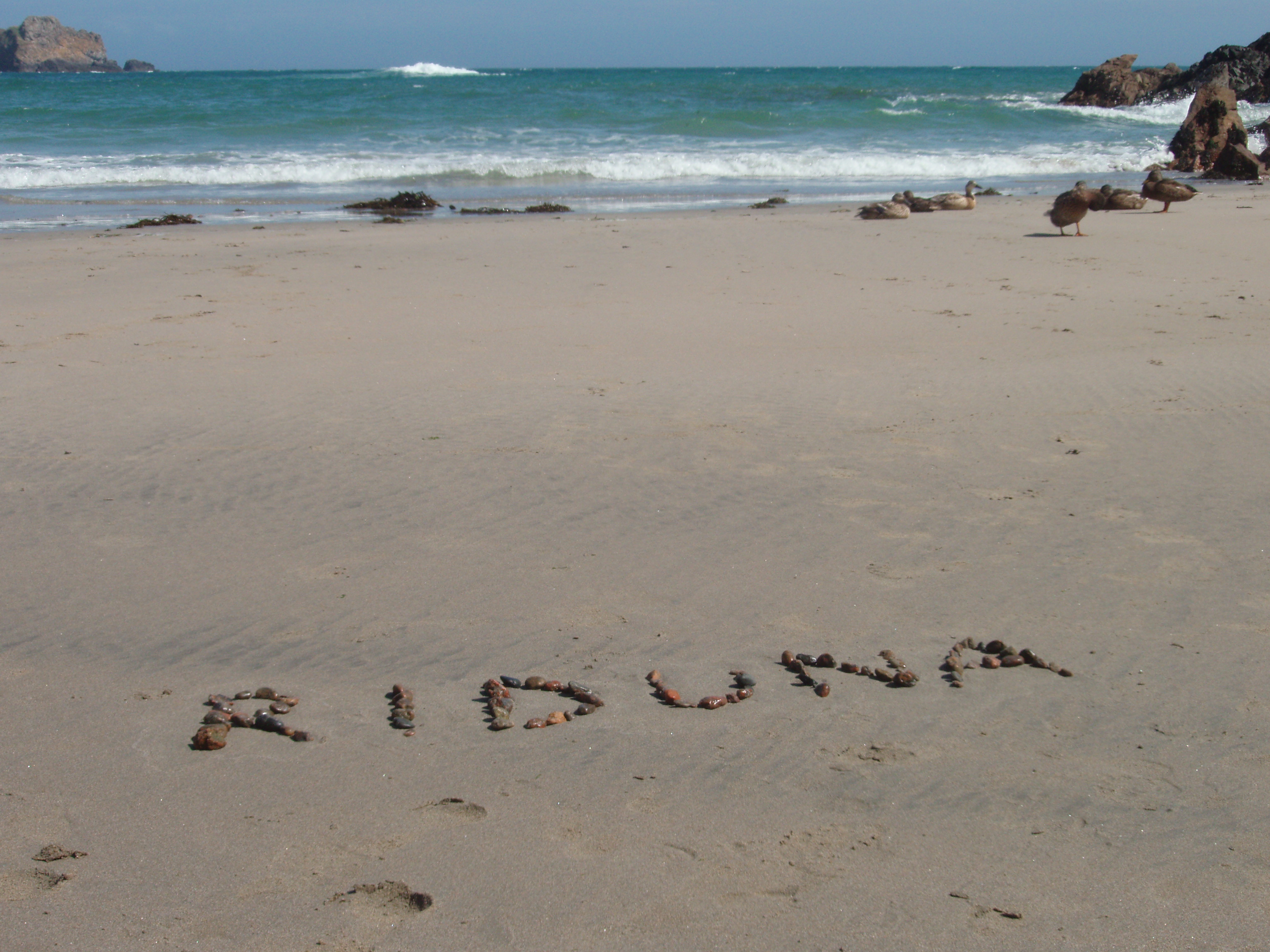
The inspiration for ‘Riduna’ came to me when I was standing on the Butes overlooking Braye Bay on Alderney, thinking of my Great Grandmother Harriet. I remember saying to myself, ‘Yes, I will write the essence of your story as a tribute to your life.’ As I’ve often said since, I knew very little about the true story of my great Grandmother at that time –see ‘Family History’, my January 7th 2010 blog but my first thoughts were:

  • What was it really like for Harriet to live on Alderney in the nineteenth century when it was overrun by red-coated soldiers?
  • Who were the people she grew up with?
  • How did she learn to dance?
  • What did she do that was so terrible that she was sent away?
  • What did it feel like to leave the island of her birth?
  • Where did she go?
  • Who did she go with and in what ways did it change her life?

I suppose these questions formed the skeleton of my first story plan. Unconventional I know but there it was. The following summer I began to research, filling in background information and substance to my ‘plan.’

I didn’t write down notes on plots and subplots. I didn’t write pages on descriptions of characters, neither did I agonise over conflict and resolution.

What did I do next?

Once I had carried out substantial research I allowed the characters to speak for themselves. They flowed from my imagination sharing every element of their joy, feeling empathy for the depth of their despair, grieving, praying and sleeping with them. They filled my life until the agony of my own life’s problems took over and the story was left for quite some time in a metaphorical cupboard.

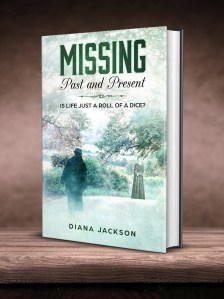
Over the next few years I returned to the novel on several occasions, each time following a visit to carry out more research. I never entirely let it go, so that when I finally had the time and the inclination to complete ‘Riduna’ I found only a few gaps in the story which I endeavoured to fill, including the story’s final chapter which I was reluctant to write. In fact I ended up writing two versions before I chose the one which I felt was the most apt, leaving the reader with closure but also giving them free reign to use their own imagination.

I was relieved, last year, when I heard another author speak at a Book Fair, saying that they too carried out little detailed plans before they began to write. They allowed the story to tell itself.

Have I learnt anything from this experience?

Yes, certainly. Since ‘Riduna’ was published I have listened to author’s speak at conferences. I have subscribed to a Writer’s magazine and read copious blogs and articles on the internet about planning and writing in general. I have listened, but I don’t like rules on the whole. Having said that I know that I have taken on board some of the advice I have read when writing my second novel.

Have I planned the sequel in a different way?

 Yes I have, but I’m afraid that’s a blog in the future.
Leave a comment

Filed under Alderney, History of Alderney, Planning a novel, Writing, Writing a novel

Which Christmas Tree? -Or Arbor Day

I have often listened to arguments about what type of Christmas Tree is best and I personally have to admit that I’d rather have no tree at all, than have an artificial one. I was gratified a couple of years ago to hear that a real tree was better for the environment (quick to grow and good for fresh air) and beneficial to the local economy and can also be recycled with every bit of it reused and natural, except for the baubles and tinsel of course.

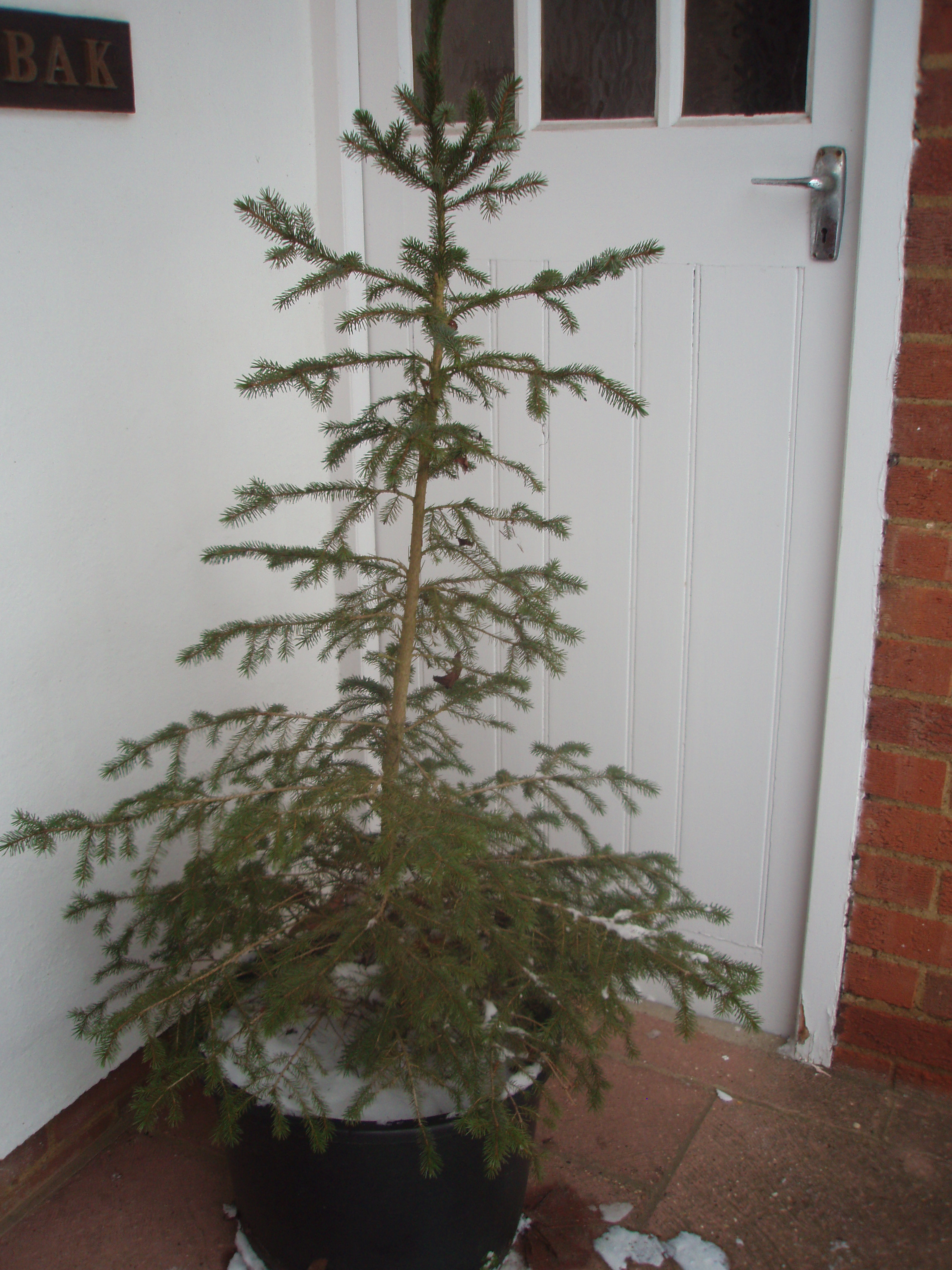
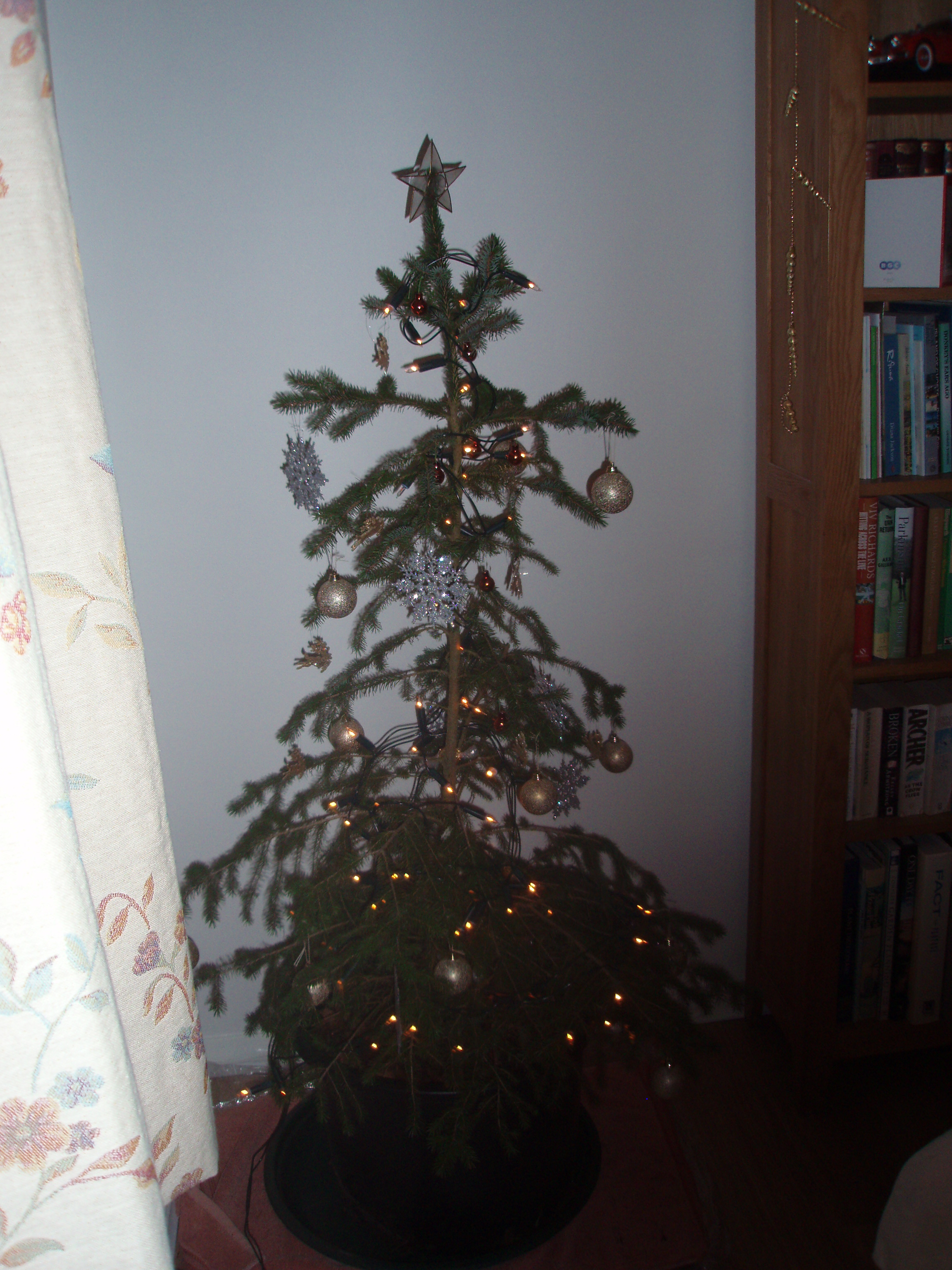
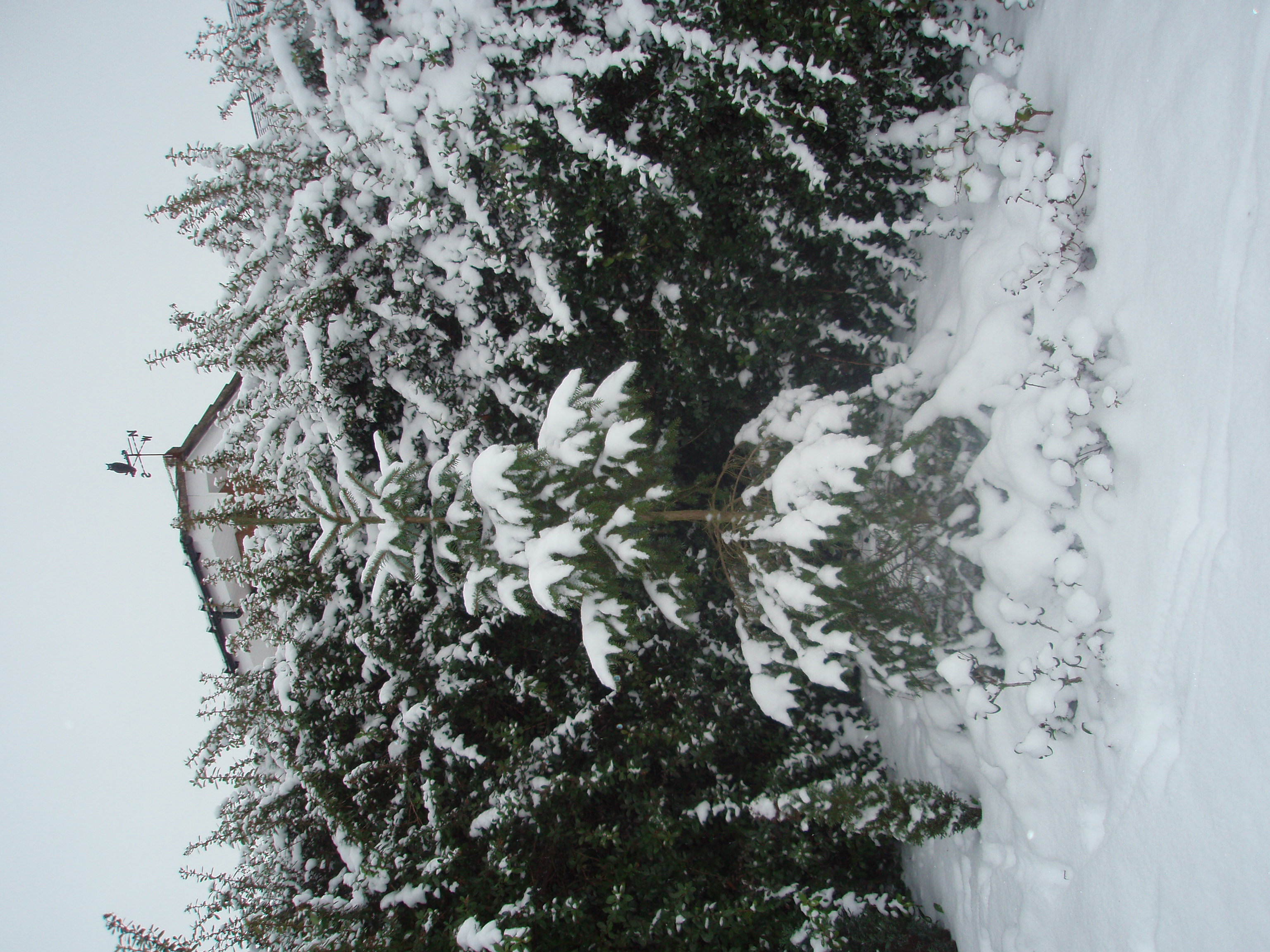
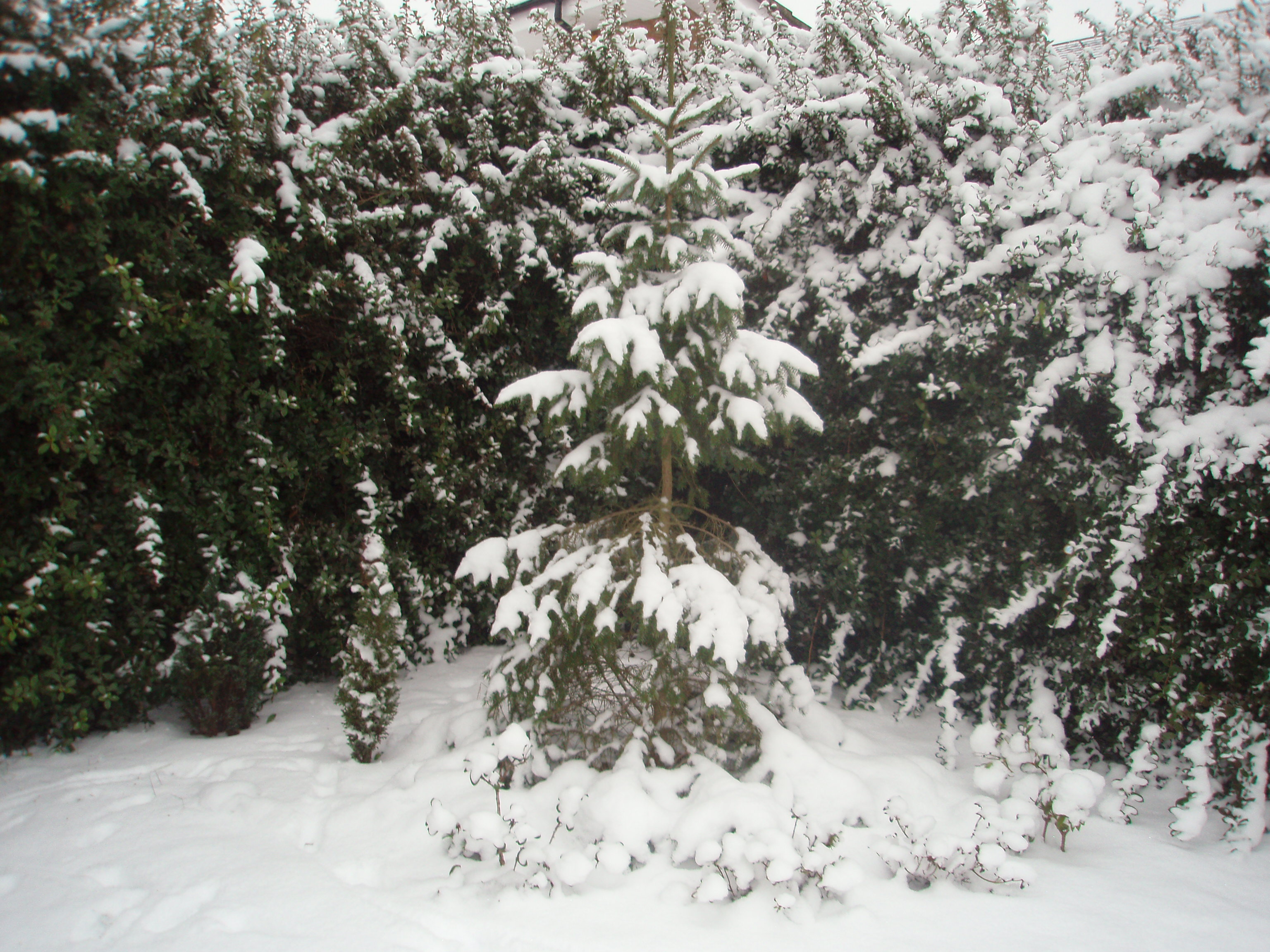
The next question posed is whether it is possible to keep a rooted tree and grow it, possibly using it again the following year. In the front of our garden we have a lovely healthy little tree which we planted following our first Christmas here five years ago. It is a testament to our new lives here and a constant positive reminder of the times we’ve shared.

The following year we bought a little tree of only about two foot and this didn’t look too healthy after the season was over and so we recycled it at our local facilities.

On the third year we bought a tree on Christmas Eve. It was such a rush that, although it was in a pot, the poor thing was quite lop sided, requiring my husband to carry out remedial work to make it presentable in the early hours of Christmas morning.  Still alive, we decided to bring it inside last year too and when it was time to think about buying one this year we had quite a dilemma. We felt sorry for the poor tree, having endured such a cold spell since November that we thought it might be cruel to bring it back into the warm. In the end my husband inspected it and brought it around to shelter of our porch. On Wednesday evening we brought it into the cool kitchen in the hopes that, by the time it faces the warmth of the living room today on Christmas Eve, it will still be a happy tree. Its stay in the house will be a short one, maybe a week at the most, when we will reverse its journey over three days and promise that we will plant it in the spring.

This got me thinking about tree conservation and with two of our neighbours recently removing tall hedgerows in preference to fences, making our outlook at the front all the more bleak, rather than being surrounded by greenery as before, I started to think about one of my favourite subjects, Alderney.

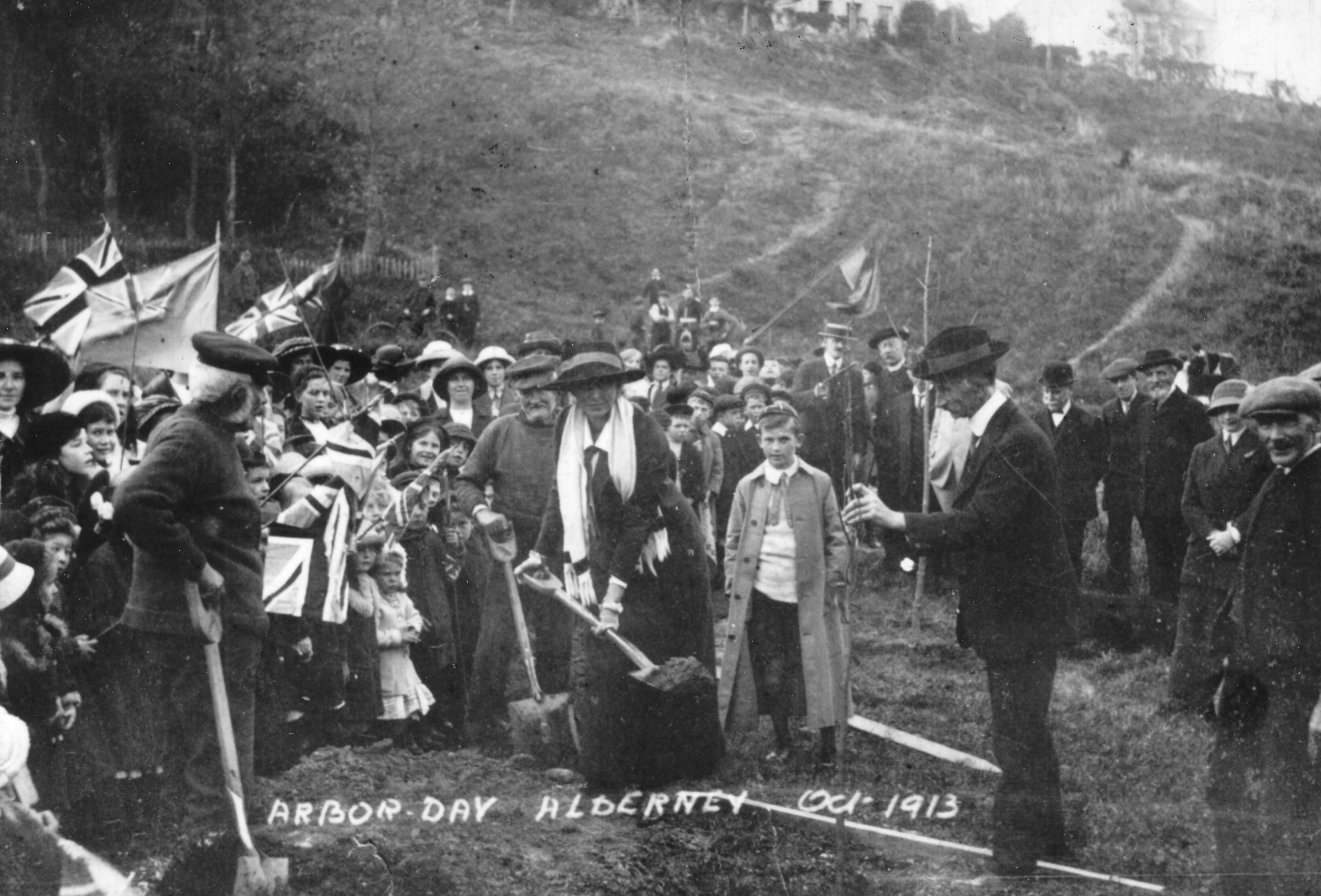
Recently the island has reintroduced Arbor Day, a tradition of planting trees to replace those cut down for domestic purposes, whether it be firewood or building. In fact during the Occupation of the island in WW2 so many trees were chopped down to keep the incumbents war that very few remained.

When I was carrying out some research in the archives of The Alderney Museum back in late October, with the enormous help of their new Curator Francis, I was excited to find pictures of Arbor Day back in 1913 and 1919. It just goes to show that out ways of conservation, which we see as being so new, are only bringing back of the olden days when people respected and understood their environment so much more than we do today.

On that thoughtful note I wish you a Happy Christmas whatever Christmas tree you may have.

5 Comments

Filed under Alderney

Guernsey- Holiday memories and family connections

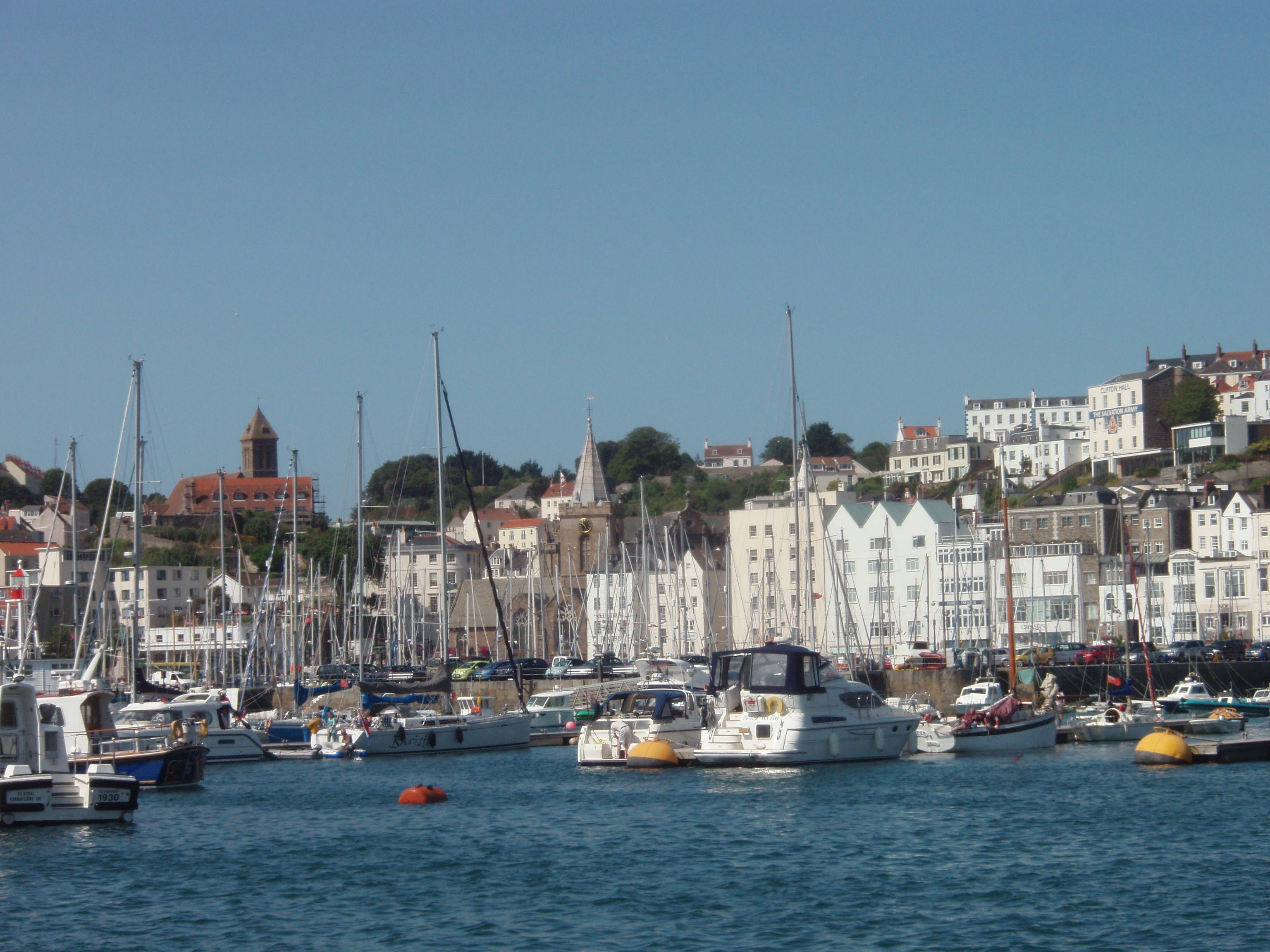
St Peter Port

My Great Grandfather was born on the island of Guernsey in 1867. He married my Great Grandmother Harriet Jane from Alderney in The Holy Trinity Church in 1890, before they moved to the mainland and settled in Woolston, Southampton. He returned to the island years later and unfortunately died there during the occupation years in 1943. With such family links it is hardly surprising that Guernsey has always played an important part in our lives.

The first time I visited Guernsey I was just a twinkle in my mother’s eye, but later, as a small child, we stayed at The Fermaine Valley Hotel, set in its own secluded valley and yet well positioned for St Peter Port and all the amenities. I have fond memories of walks along the breathtaking coastal paths and visiting little sandy coves. In those days all we needed was fresh air, sand, sea and a few interesting rock pools to satisfy our curiosity. On a recent visit we lunched at the Fermaine Bay’s terraced restaurant and were impressed with the hotel’s modernised transformation.

Through my eyes as a child, the little ferry to Herm was magical, like being transported to your own desert island, with a shell beach to while away many a happy hour. The longer trip to Sark was just as fun, although I remember looking longingly at the many horse and traps, wondering why ‘our family never did things like that’. We returned to Sark a few years later for a week’s holiday in May, staying at The Aval du Creux. We initially flew to Guernsey, but the transfer by ferry was another unforgettable
experience. As a family of walkers, there was certainly plenty to occupy our time on the island. On the day of our departure the waiters presented us with posies of flowers. ‘Throw them over the side of the ferry as you leave, to promise you’ll return,’ they explained. I’ve only recently fulfilled that promise and Sark has actually changed very little over the years.

I did not return to Guernsey until I was a young adult, when I stayed at a hotel in St Martin’s, which was tucked away down a tiny lane leading towards the stunning cliff top walks. We used a bus for quite a lot of this trip, hiring a car for only one day. The
busses are frequent and the service comprehensive, making all the resorts and places of interest easily accessible. I remember visiting the Pearl and Freesia Centres and the famous tiny shell chapel during this stay.

A few years later, when I was beginning to research for my novel and my parents were delving into our family history, we  booked a dual centre break, staying for three nights on Alderney before flying to Guernsey. We stayed in a hotel on the outskirts of St Peter Port, renting a hire car to travel around the island with ease. It was a busy few days, spending a lot of time in the Records Office, The Priaulx Library, The Guernsey Museum and newspaper archives.

A couple of years after that visit I travelled there once more, only this time it was on my own, taking the slow ferry from Portsmouth. I chose this method of transport to experience the journey my Great Grandparents made all those years ago, making the seven hour ride part of the holiday and my research. I stayed at Les Cothills, which is now a very comfortable and friendly Christian Guest House, especially suitable for a single female traveller.  I would certainly recommend Guernsey as a destination for solo travel; a friend of mine even camped there once, on her own.  I always felt safe, there was plenty to do and many places you could eat and visit without feeling uncomfortable.

We last stayed on Guernsey in 2009 when we were over in The Channel Islands for the book launch of my novel ‘Riduna’.
We journeyed by Fastcat from Poole and camped at Les Fauxquets Valley, a quiet inland site, excellent location and superb facilities.  During this trip we rediscovered Lancresse Bay to the north of the island and Jedburgh Point to the South and generally enjoyed the relaxed freedom that only a camping holiday can give. (I have written an article about camping on Guernsey which was published  on The Visit Guernsey Diary Blog in September) We also enjoyed the cultural experiences of The
Folk Museum in Saumarez Park, Sausmarez Manor and the Victorian Shop in Cornet Street. During our stay we hopped over to Alderney by plane for three nights, the only regular form of transport from Guernsey to Alderney, as far as I know.

Guernsey is one of those places which is special in all the different seasons. The spring flowers are a delight, with white and red campion mingling with blue bells along the coastal walks.  Summer on Guernsey is generally a touch warmer than the UK, being that much further south, and quiet places can easily be discovered, even in its busiest season. The food is excellent and people
friendly, making each stay pleasurable and yet unique.

2 Comments

Filed under Alderney, Channel Islands, Family History