Tag Archives: fiction

Why is Writing is Akin to Gardening?

Writing and gardening are my two main activities and I would argue that they they need a similar mindset.

Being Creative

Of course! When I am writing it is very much a visual experience, where pictures or a film reel transposes into words. A creative mind is one with imagination, having an idea of what the finished article is going to be like, whether it be picturing a flower bed or imagining a novel.
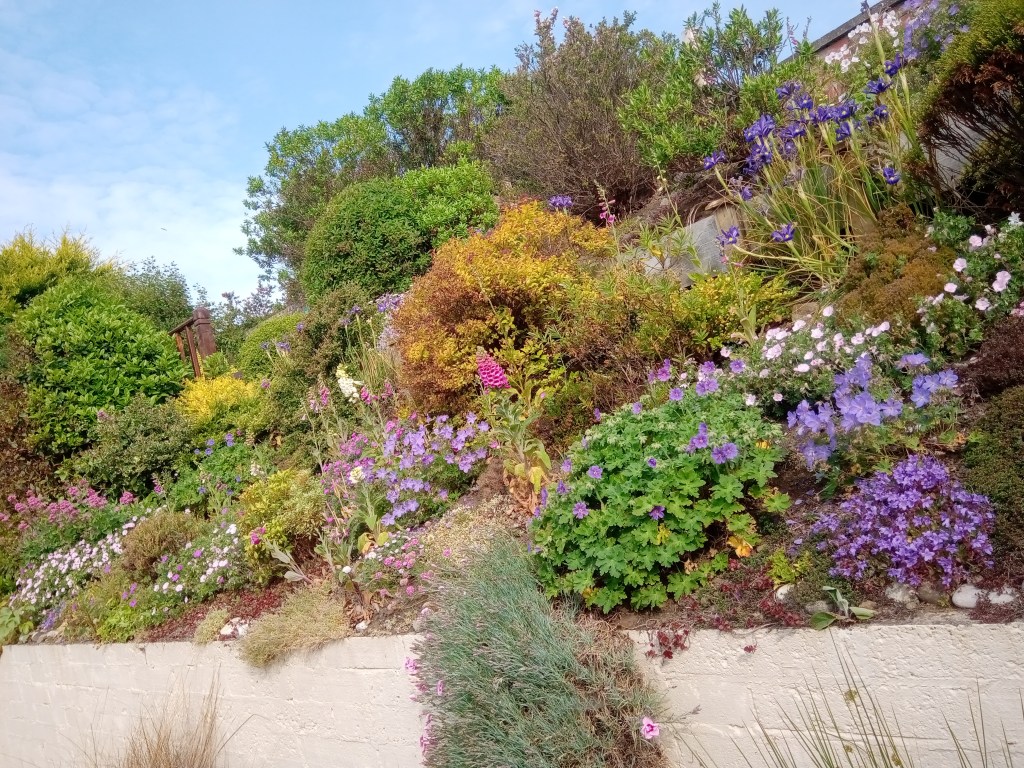
A cacophony of spring colour

Cutting out the dead wood

It has taken me years to be more ruthless in my garden (there does appear to be a rogue cerise foxglove in the bed above) but it has to be done, trimming, cutting back, pruning and even rooting out plants that have become too big or are in the wrong place. Similarly, the various layers of editing a novel are just like that.
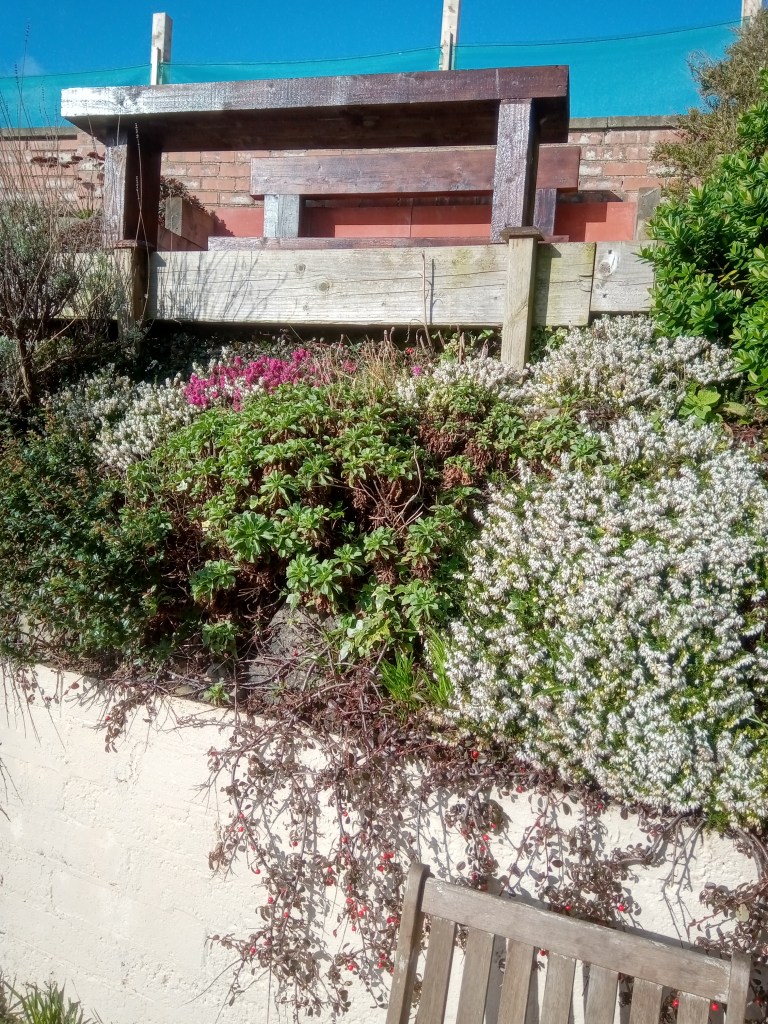
The heather in February looks a picture but it will need a good trip when the flowers are over

Aiming for a harmony and consistency with the characters

Plants from a spectrum of colours look beautiful together, but so do those chosen carefully for height and contrast. Each plant then needs to be part of the whole picture. It may have beauty in itself, but if it is not consistent with the plot it will look out of place.

The Structure in the design completes the picture

In a garden, the walls, fencing, gravel, decking, grass, all play their part in creating a complete picture. It is the description of setting, which draws the picture for the reader, but it mustn’t be too overpowering taking away the wholeness, so that the reader is distracted or bored.

Sometimes the Result can take your breath away

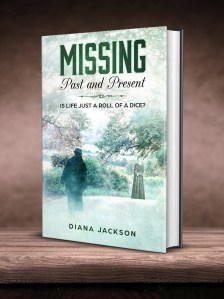
My last novel, released days before lock down, has not reached the dizzy heights (for me that is) of Murder Now and Then, but Missing Past and Present is very special to me, and as one loyal reader said, ‘You really have discovered your true voice!’
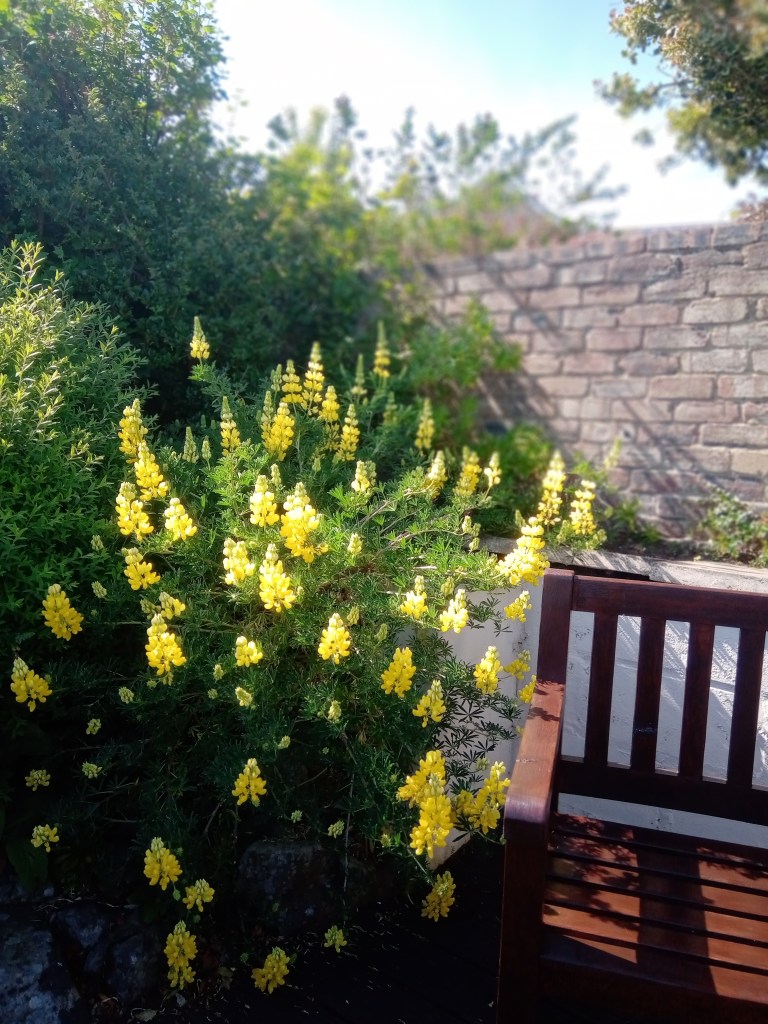
What a lovely place to sit and read!

Finally you’ll just have to let it go

If you are forever tweaking a garden and noticing every weed as it pops its head up, you will never stand back (or better still sit and relax) and enjoy the whole garden. It is a tough moment for an author to ‘let go’ of a completed novel. There will always be a word to change or a scene you are sad you left out because it didn’t quite fit. You need to know the moment to Let it go and enjoy the ride!
Leave a comment

Filed under Writing, Writing a novel

What do I look for in Historical Fiction?

Image from the Historical Novel Society

If you follow the link above to the Historical Novel Society website they define the genre.

After last week’s contrasting book reviews I’ve been reflecting on what, to me, is great Historical Fiction.

What do others say?

10 Steps for Writing Historical Fiction by Krystal N. Craiker

How to write good Historical Fiction by Dave Chesson

What’s my take …

Initial Inspiration

There is usually a spark to any novel writing which lights the way. In historical fiction it is usually an era, person or an event in history.

Thorough Research

It is impossible to write Historical Fiction without a great deal of research and the way you keep notes is a vital process to making your novel writing run smoothly. The setting, way of life and man’s accomplishments; these peripheral areas of study which brings your eventual novel to life and gives it authenticity.

Expand your notes on detailed descriptions of your characters and the place in which they live.

Plan your novel

A linear time line of events is useful here. As you plot your novel then there will be gaps to fill. Make a strategy as to how you are going to span the years and be consistent in your approach. Will you bring in back story in snippets, as a prologue or afterward or just hint to it within your text?

Write the first draft

As you write you maybe aware of gaps in the plot or anomalies you hadn’t noticed before. Rather than stop the flow and go back to research you could keep a careful note of these issues. Also, I’m sure on rereading you, your beta readers or definitely your editor, will pick you up on an inconsistencies you have missed sometime in the future. The most important thing at this stage is adhering to your notes but also the flow of the story, to keep your readers interest on board.

Edit in stages

Unless they are a miracle worker, an author of historical fiction needs to reread the novel several times, maybe focussing of different areas:

consistency of facts,

flow of story,

descriptive and creative vocabulary,

Then send it to your beta- readers

and finally punctuation grammar and spelling.

Then send it to your editor.

Innovative Ideas

Like in art, for prizes in literature they seem to be looking for something new. I would like to think that judges might think twice and put the value of a ‘pleasurable’ read high up in their priorities.

What do you think?

Leave a comment

Filed under Book reading, Book reviews, Historical Fiction, Inspiration

Why is Writing is Akin to Gardening?

Writing and gardening are my two main activities and I would argue that they they need a similar mindset.

Being Creative

Of course! When I am writing it is very much a visual experience, where pictures or a film reel transposes into words. A creative mind is one with imagination, having an idea of what the finished article is going to be like, whether it be picturing a flower bed or imagining a novel.

A cacophony of spring colour

Cutting out the dead wood

It has taken me years to be more ruthless in my garden (there does appear to be a rogue cerise foxglove in the bed above) but it has to be done, trimming, cutting back, pruning and even rooting out plants that have become too big or are in the wrong place. Similarly, the various layers of editing a novel are just like that.

The heather in February looks a picture but it will need a good trip when the flowers are over

Aiming for a harmony and consistency with the characters

Plants from a spectrum of colours look beautiful together, but so do those chosen carefully for height and contrast. Each plant then needs to be part of the whole picture. It may have beauty in itself, but if it is not consistent with the plot it will look out of place.

The Structure in the design completes the picture

In a garden, the walls, fencing, gravel, decking, grass, all play their part in creating a complete picture. It is the description of setting, which draws the picture for the reader, but it mustn’t be too overpowering taking away the wholeness, so that the reader is distracted or bored.

Sometimes the Result can take your breath away

My last novel, released days before lock down, has not reached the dizzy heights (for me that is) of Murder Now and Then, but Missing Past and Present is very special to me, and as one loyal reader said, ‘You really have discovered your true voice!’

What a lovely place to sit and read!

Finally you’ll just have to let it go

If you are forever tweaking a garden and noticing every weed as it pops its head up, you will never stand back (or better still sit and relax) and enjoy the whole garden. It is a tough moment for an author to ‘let go’ of a completed novel. There will always be a word to change or a scene you are sad you left out because it didn’t quite fit. You need to know the moment to Let it go and enjoy the ride!
Leave a comment

Filed under Writing, Writing a novel