
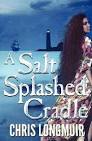
 I met Chris in the craft tent at Glamis Castle Vehicle Extravaganza and after a chat I bought a signed copy of this book.
It was a thoroughly enjoyable read, all the more so because I am gradually exploring Scotland and will be heading to Montrose in a few weeks.
Chris’s colourful description of the fisherfolk, especially the women, quickly draws the reader into this close knit community and and encourages empathy for Belle, the outsider, who neither fits in due to her looks and build or her manner and expectations of life. The fear is palpable as she is lured into circumstances which could lead to her downfall when the women turn totally against her. Her saviour comes from the most unexpected source and the novel leaves you wondering what Belle will do next.
The relationships in A Salt Splashed Cradle are complex as they are simple. The reader grapples with the trauma of Belle’s daughter Sarah, the strong mother in law and Matriach Annie, as much as with Belle herself. The sea is never far away, with its dangers, both fishing in local waters and further afield as Belle’s husband Jimmie heads off to the far north in a whaling ship.
A well crafted novel and a pleasure to read.
 The Queen’s Grace, is but one of those books, which I have recently reread. Tranter was proficient in the skill of weaving credible and nail biting tales around known facts. His novels were always well researched but also so eloquent that they draw us, the readers, back in time as if we were there. This novel is set at the time of Mary Queen of Scots when she was all but captive by her brother, James who plots for her throne. Clansmen swear their allegiance to their Queen but change sides the moment they feel it is prudent to do so. Men’s heads are cut off for crimes they have not committed and yet their honour is their bond.
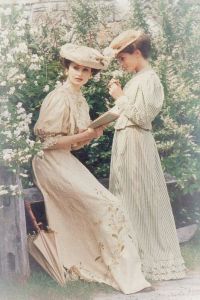 This question was posed to me the other day and got me thinking. Even in my own writing my favourite character isn’t always the protagonist.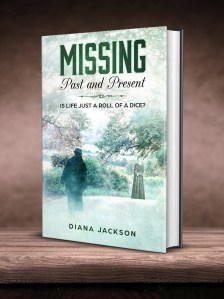
 Diana Jackson